


Smart Home Renovation: A Strategic Guide to Planning and Budgeting

Why do some renovation projects dramatically increase a property's value while others turn into endless money pits? The difference lies in strategic planning and a precise execution order—the two pillars of cost control and lasting quality.
Strategic Planning and Budgeting
The first step toward a successful remodel is a thorough inventory and condition assessment. This helps identify hidden structural issues, such as moisture damage or outdated wiring, which could otherwise stall the project and inflate costs later. Successful home renovation requires a clear distinction between unavoidable technical necessities and aesthetic desires.
When preparing your budget, keep these core principles in mind:
- Plan for the unexpected: Always maintain a 10–20% contingency fund. With older properties, hidden complications are the rule rather than the exception.
- Categorize your spending: Group costs into three main buckets: structural elements, utility systems, and interior finishes.
- Account for professional labor: Depending on the project's complexity, labor can account for 25–60% of the total budget.
- Procure materials early: Before making any purchases, learn how to plan a ceramic tile purchase to avoid material shortages or batch color discrepancies.
The Ideal Renovation Sequence
A common pitfall for homeowners is performing tasks out of order, which often results in damaging newly finished surfaces. A professional renovation should always move from the "core" outward:
- Preparation: Finalize the design and secure all necessary building permits.
- Demolition and Structure: Remove old finishes and perform structural reinforcement (walls, floors, roof).
- Rough-ins: Install primary utility systems, including electrical wiring, plumbing, and bathroom ventilation.
- Surface Prep: Install insulation, hang drywall, and level all surfaces.
- Wet Room Specialized Work: Tiling and waterproofing in bathrooms and kitchens.
- Finishing Touches: Interior painting, wallpapering, and flooring installation.
- Fixtures: Install sanitary ware, lighting, and built-in furniture.
High-ROI Investments and Quality Materials
Not all upgrades offer the same return. The highest return on investment (ROI) typically comes from energy-efficiency improvements, such as facade insulation or replacing outdated doors and windows. For interior finishes, prioritize timeless, high-durability materials over passing trends.
When selecting materials, consider these proven options:
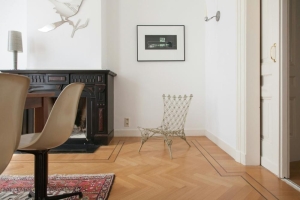
- Flooring: For living areas, Esta Parket provides exceptional warmth and a durable finish.
- Tiling: In wet rooms, ceramic tiles are essential. A Bien white gloss tile, for instance, creates a clean, modern aesthetic.
- Energy Efficiency: Modern water heaters significantly reduce utility costs. A compact Ariston horizontal boiler is an excellent choice for optimizing smaller spaces.
- Walls: If you want to refresh a room quickly, high-quality wallpapers can transform a space's character without the need for major construction.
Smart Solutions for Kitchens and Bathrooms
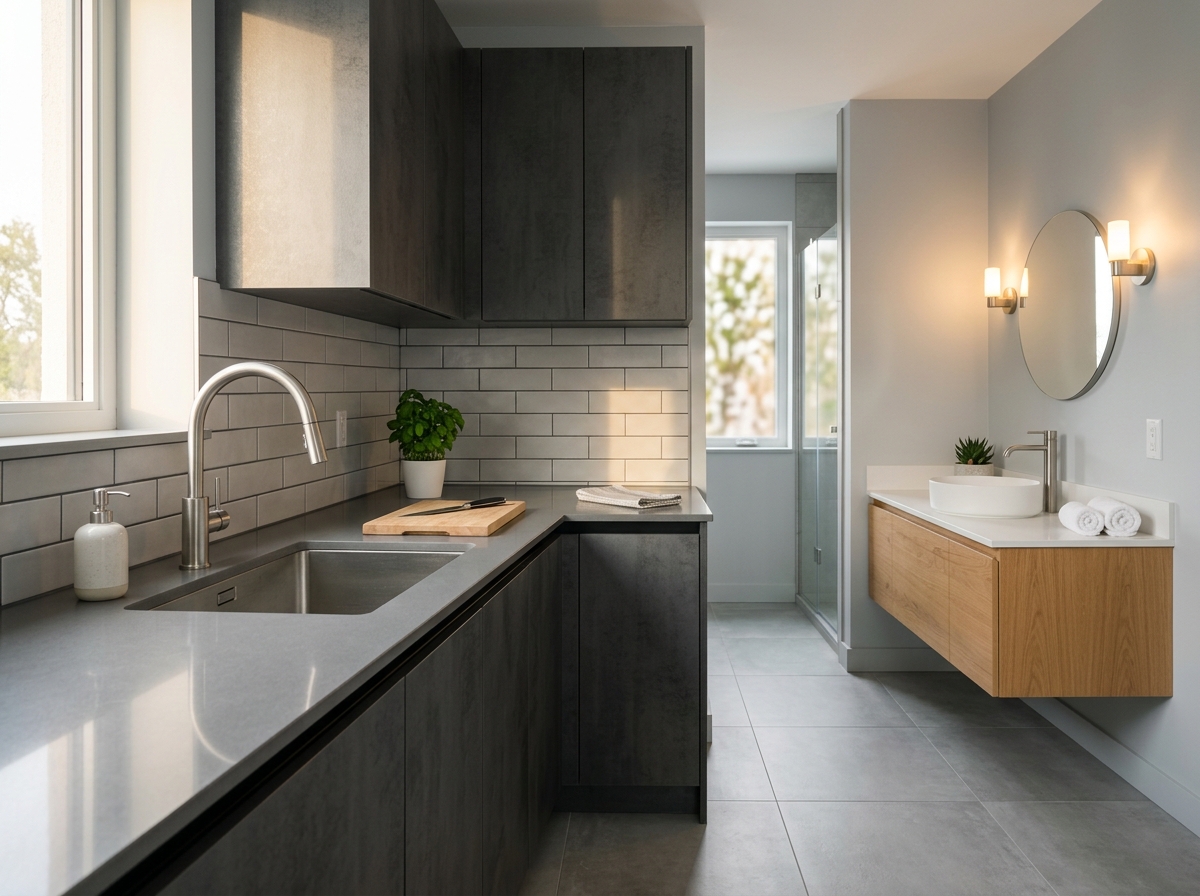
The kitchen and bathroom are the functional hearts of the home—areas where you should never compromise on quality. A successful kitchen renovation centers on ergonomics; for example, choosing faucets with pull-out sprayers can make daily chores far more convenient.
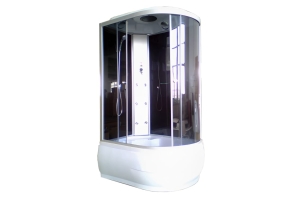
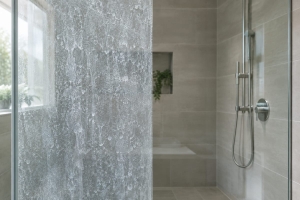
In the bathroom, the most critical step is waterproofing under the tiles. Without a proper moisture barrier, even the most expensive materials will eventually succumb to mold. When selecting fixtures, opt for durable, high-performance sets like the Ramon Soler thermostatic shower or a premium Laufen Pro toilet.
Common Mistakes to Avoid
Many costly errors can be avoided through diligent preparation:
- Ignoring Permits: Modifying load-bearing walls or utility systems often requires a building notice or permit.
- Rushing the Sequence: Tiling before plumbing has been pressure-tested can lead to the expensive demolition of finished work.
- Using Low-Grade Supplies: Cheap painting supplies and materials often require more frequent replacement, driving up long-term costs.
- Poor Ventilation: Inadequate airflow ruins fresh renovations by promoting moisture buildup and mold growth.
Building Permits and Legislation
In Estonia, construction activities are governed by the Building Code. It is vital to know that if a dwelling’s volume is expanded by more than 33%, a formal building permit and project plan are mandatory. For smaller expansions or significant changes to utility systems, a building notice submitted to the local municipality is typically sufficient. Before breaking ground, consult our guide on where to start with a house renovation.
Renovation is a long-term investment in your property's value and your daily quality of life. By choosing high-quality materials and reliable partners, you ensure a result that lasts for decades. Explore our full range of products and find inspiration for your next project at the Vipex showroom or online store.