



The Ultimate Guide to Starting Your Home Renovation: Planning for Success
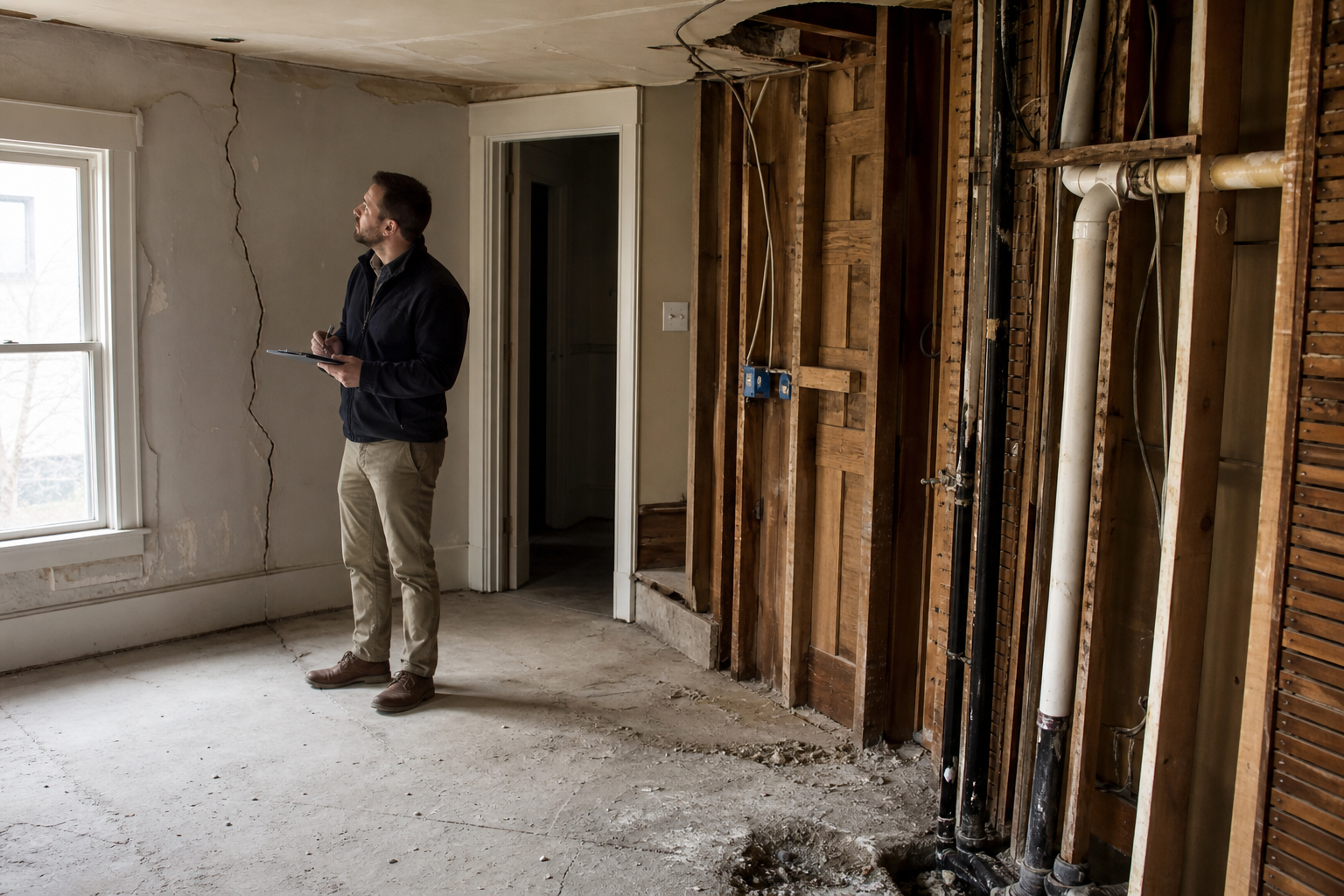
Are you planning to breathe new life into an old property but aren't sure where to begin? A well-executed renovation can significantly increase your home's value, but without a clear roadmap, costs and stress can quickly spiral out of control. Success lies in the preparation: starting on the right foot is the foundation of a smooth, cost-effective project.
Start With a Comprehensive Structural Assessment
Before you pick up a sledgehammer, you must understand the current state of the building’s "bones." Experts recommend hiring a qualified surveyor or specialist to inspect the home’s core systems—specifically the foundation, electrical wiring, plumbing, and roof. If you spot structural red flags like foundation cracks or sagging floors, consulting a structural engineer is an essential first step.
Detailed strategic planning allows you to identify hidden issues, such as moisture damage or antiquated wiring, that could otherwise derail your timeline later. Never prioritize cosmetic upgrades until the house’s skeleton and mechanical systems are sound and safe.
Budgeting and Setting Your Priorities
Renovation requires strict financial discipline. Underestimating costs is the most common pitfall for homeowners. A professional rule of thumb is to set aside a contingency fund of at least 10–20% of your total budget; with older homes, unexpected repairs are the rule rather than the exception. Utilizing a detailed bathroom renovation budget and a master expense sheet will help you track spending and prevent funds from drying up mid-project.
Prioritize your workflow based on structural necessity and return on investment (ROI):
- High Priority: Roof repairs, facade insulation, window replacement, and heating system upgrades. These protect the building from the elements and improve energy efficiency.
- Medium Priority: Kitchen and bathroom remodels. These are high-traffic areas that offer the biggest boost to property value.
- Low Priority: Interior cosmetics, decorative lighting, and high-end finishing touches.
Navigating Permits and Legal Requirements
Many homeowners overlook the fact that significant renovations often require local government approval. Permits are typically mandatory for altering load-bearing walls, making major changes to technical systems, or extending the building’s footprint.
While simple aesthetic updates—such as painting with the right painting supplies or laying new carpet—usually don't require paperwork, always check your local building codes. Unpermitted work can lead to fines and create major hurdles when you try to sell or insure the property in the future.
The Ideal Renovation Sequence
To avoid the nightmare of tearing open a freshly plastered wall to fix a leaky pipe, you must follow a logical construction sequence. This ensures each phase builds upon the last.
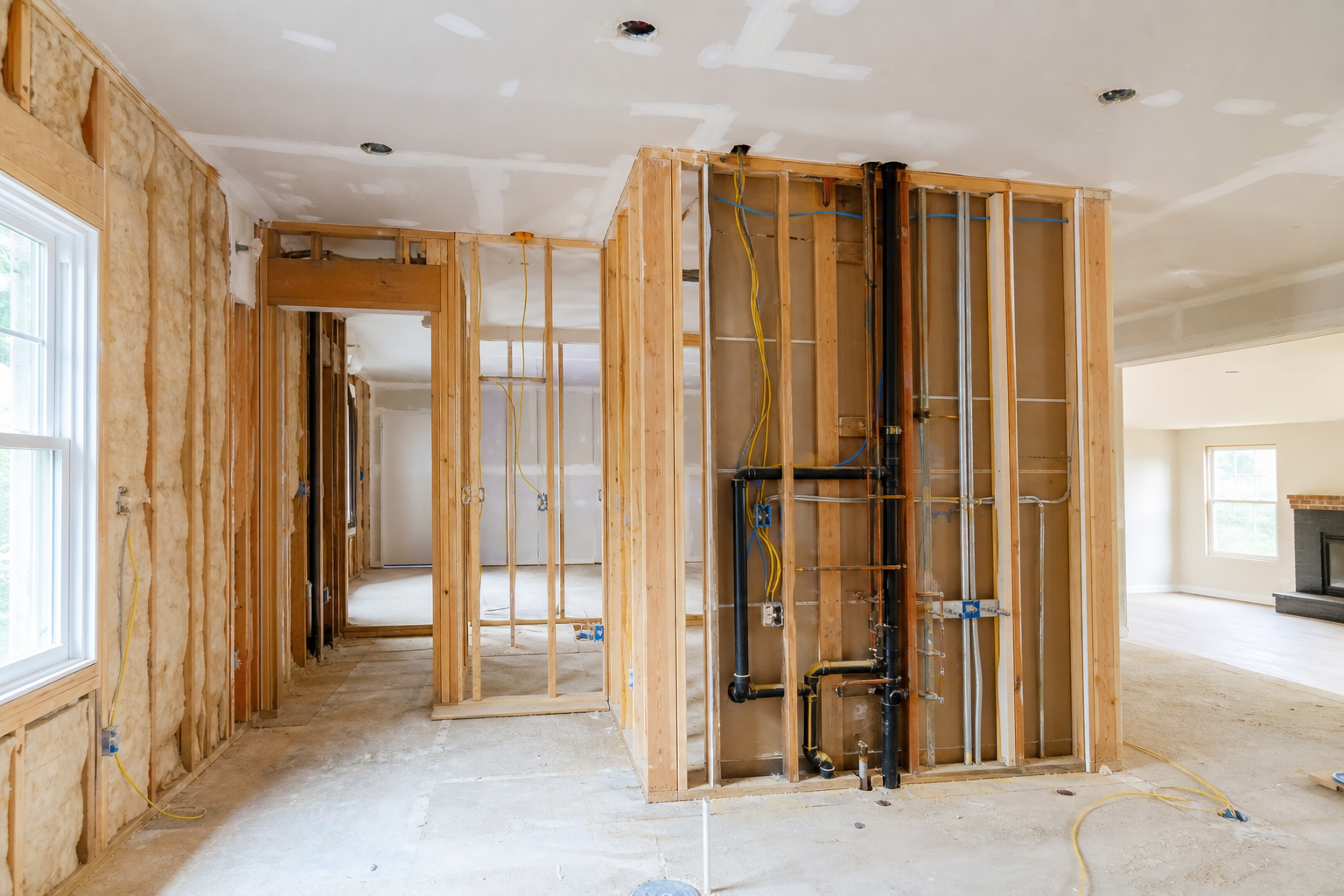
- Demolition and Preparation: Strip away old fixtures and clean all surfaces.
- Structural Repairs: Address the roof, foundation, and any load-bearing elements.
- Technical "Rough-In": Install plumbing, electrical wiring, and ventilation behind the walls.
- Insulation and Drywall: Seal the building envelope and close up the ceilings and walls.
- Surface Preparation: Plastering, priming, and sanding.
- Wet Room Preparation: Critical installation of waterproofing to prevent future structural damage.
- Flooring and Tiling.
- Final Finishing: Painting, hanging doors, and installing sanitaryware and bathroom furniture.
Choosing Quality Materials and Managing Inventory
Investing in durable materials is the best way to ensure your renovation stands the test of time. In bathrooms and kitchens, durable ceramic tiles are essential for their moisture resistance. For living areas, natural wood parquet adds timeless warmth and character.

When ordering materials, always account for "wastage." For tiles, it is standard to order 10–15% more than your square footage to cover cuts, breakages, and future repairs. Proper material planning prevents costly work stoppages caused by products being out of stock mid-install.
A successful home renovation requires patience and thorough preparation long before the first nail is driven. Assess the building’s condition honestly, build a realistic budget with a safety buffer, and stick to a professional sequence of work. For more expert advice, read our guide on how to plan a renovation so your bathroom lasts. When you’re ready to start, visit our showroom to explore premium finishing materials or browse our curated selection online.