


How Much Does Bathroom Tiling Cost?
Budgeting for a bathroom renovation can feel overwhelming, but understanding the key cost drivers helps prevent expensive surprises. From accurate surface measurements and material selection to professional labor, here is a breakdown of everything you need to know when planning your bathroom tiling project.
Calculating Surface Area and Ordering Materials
The first step in building a realistic budget is determining the exact surface area you plan to tile. Measure the height and width of your walls and floors to calculate the square footage or meterage. For instance, if your bathroom walls total 20 m² and the floor is 5 m², your base surface area is 25 m². Remember to subtract standard deductions for windows, doorways, and any un-tiled areas.
When ordering tiles, always factor in overage. As a general rule, add a 10% buffer to your net area—or up to 15% if you are using complex patterns, herringbone, or diagonal layouts. This contingency covers cutting waste, transit breakage, and ensures you have identical dye-lot spares for future repairs. For a deeper look into the planning phase, check out our guide on how to plan your ceramic tile purchase.
Tile Selection and Pricing
Tile materials make up a substantial portion of your overall budget. The prices of ceramic tiles and specialty tiles vary widely based on material composition, format, finish, and manufacturing quality:
- Standard wall tiles: Classic, budget-friendly options such as a 20x20 matte white wall tile or a 10x30 glossy white wall tile typically start between €10 and €25/m².
- Porcelain and designer tiles: Premium porcelain featuring realistic concrete-, marble-, or wood-look textures generally ranges from €30 to €50/m² and up.
- Mosaics and natural stone: High-end glass mosaic tiles and authentic natural stone tiles occupy the premium bracket, offering a custom, luxurious aesthetic.
- Accent and feature areas: Shower recesses, feature walls, and shower pans pair well with decorative elements like the Soap Stone black ceramic mosaic tile or the compact Arcides grey 10x10 floor tile.
Safety is paramount when selecting floor finishes for wet zones. Ensure your floor specifications include certified anti-slip tiles rated at least R10. A slip-resistant option like the Moon Dark Grey 60x60 anti-slip floor tile guarantees reliable traction underfoot.
Tile size also directly impacts both material costs and labor time. While mosaics require meticulous alignment and extensive grouting, large-format tiles create a sleek, seamless look with fewer joints—though they demand a flawless, perfectly flat substrate.
Labor Costs and Surface Preparation
Labor pricing reflects the overall complexity of the installation, the layout of the room, and the tile material. In Estonia, standard tiling labor averages around €44/m², typically ranging from €26 to €69/m² depending on project requirements.
Beyond setting the tiles, your budget must account for crucial sub-surface preparation and finishing:
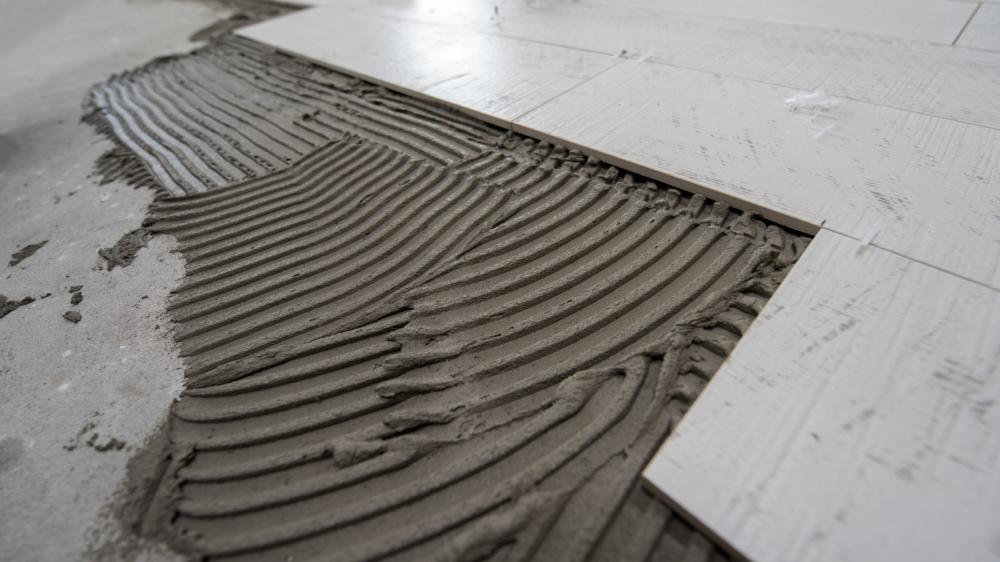
- Substrate preparation: Uneven or compromised walls and floors must be patched, leveled, and cleaned. The substrate must be structurally rigid, dry, and free of dust or contaminants before tile setting begins.
- Waterproofing installation: In wet areas, a continuous bathroom waterproofing membrane is essential to protect underlying structures from moisture penetration and mold. Professional waterproofing application typically costs between €15 and €23/m².
- Grouting and joint sealing: Properly filling tile joints with high-performance grout and sealing all perimeter transitions, corners, and fixtures with sanitary silicone ensures long-term water resistance and structural flexibility.
For step-by-step installation practices and maintenance recommendations, consult our ceramic tile installation and maintenance guide.
Ultimately, the total cost of your bathroom tiling project hinges on the total surface area, your choice of materials, and the extent of preparation work required. Precise measurements, an adequate contingency buffer, and moisture-rated products are the foundation of a successful renovation. Visit the Vipex showroom or browse our online store to find quality materials and professional guidance for your upcoming project.