


Kitchen Renovation: A Comprehensive Guide to Planning a Stylish and Functional Space
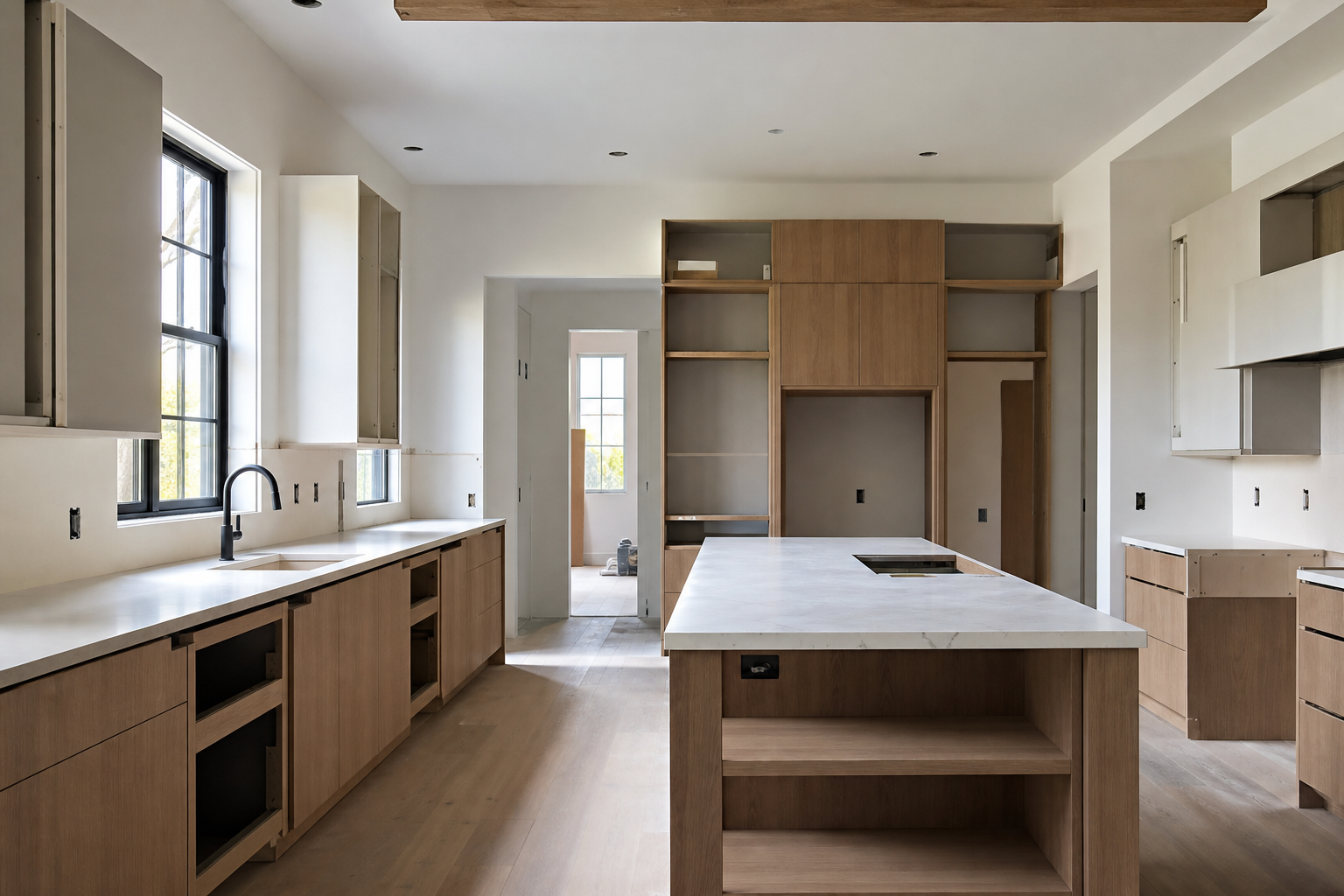
Has your kitchen become a source of frustration rather than the heart of your home? A kitchen renovation is one of the most significant yet rewarding investments a homeowner can make. To ensure the end result remains functional and beautiful for decades, the process requires meticulous planning and a focus on high-quality materials.
Strategic Planning and Goal Setting
Before the demolition begins, it is critical to evaluate the current state and functionality of your space. Are you struggling with a lack of storage, an inefficient workflow, or simply an outdated aesthetic? Comprehensive strategic planning helps identify hidden issues, such as aging plumbing or outdated electrical systems, which can otherwise lead to unexpected costs mid-project.
Effective kitchen design often relies on the "work triangle" rule, which optimizes movement between the refrigerator, sink, and stove. This layout minimizes unnecessary steps and creates a smoother cooking experience. A well-conceived plan also prioritizes layered lighting—combining general ambient light with focused task lighting and subtle accent lighting to add depth and warmth to the room.
Budgeting for Your Renovation
Once the functional layout is established, you must define the project's financial scope. Kitchen renovation budgets typically fall into three distinct categories:
- Minor Renovation: Cosmetic updates such as fresh paint, replacing faucets and sinks, and perhaps refreshing existing cabinetry.
- Mid-range Renovation: Includes new cabinetry, upgraded appliances, and new flooring.
- Full Renovation: A complete overhaul involving layout changes, structural work, plumbing and electrical upgrades, and premium finishes.
Experts recommend setting aside a 10–20% contingency fund to cover unforeseen expenses. In older buildings, "surprises" behind the walls are common, making a financial buffer essential for a stress-free experience.
Material Selection: Balancing Durability and Aesthetics
Your budget will largely dictate the materials used, but it is important not to compromise on quality in high-traffic areas. Kitchen surfaces must be able to withstand moisture, high temperatures, and the rigors of daily use.
Sinks and Faucets
The sink is one of the most frequently used workstations in any kitchen, making its material and design a top priority. Preferences for Estonian kitchens often lean toward stainless steel for its hygienic properties, though composite granite is rapidly gaining popularity for its modern look. For instance, the Deante Andante granite sink offers exceptional wear resistance and quieter operation compared to metal. You can explore more practical solutions for every kitchen in our extensive kitchen sink category.
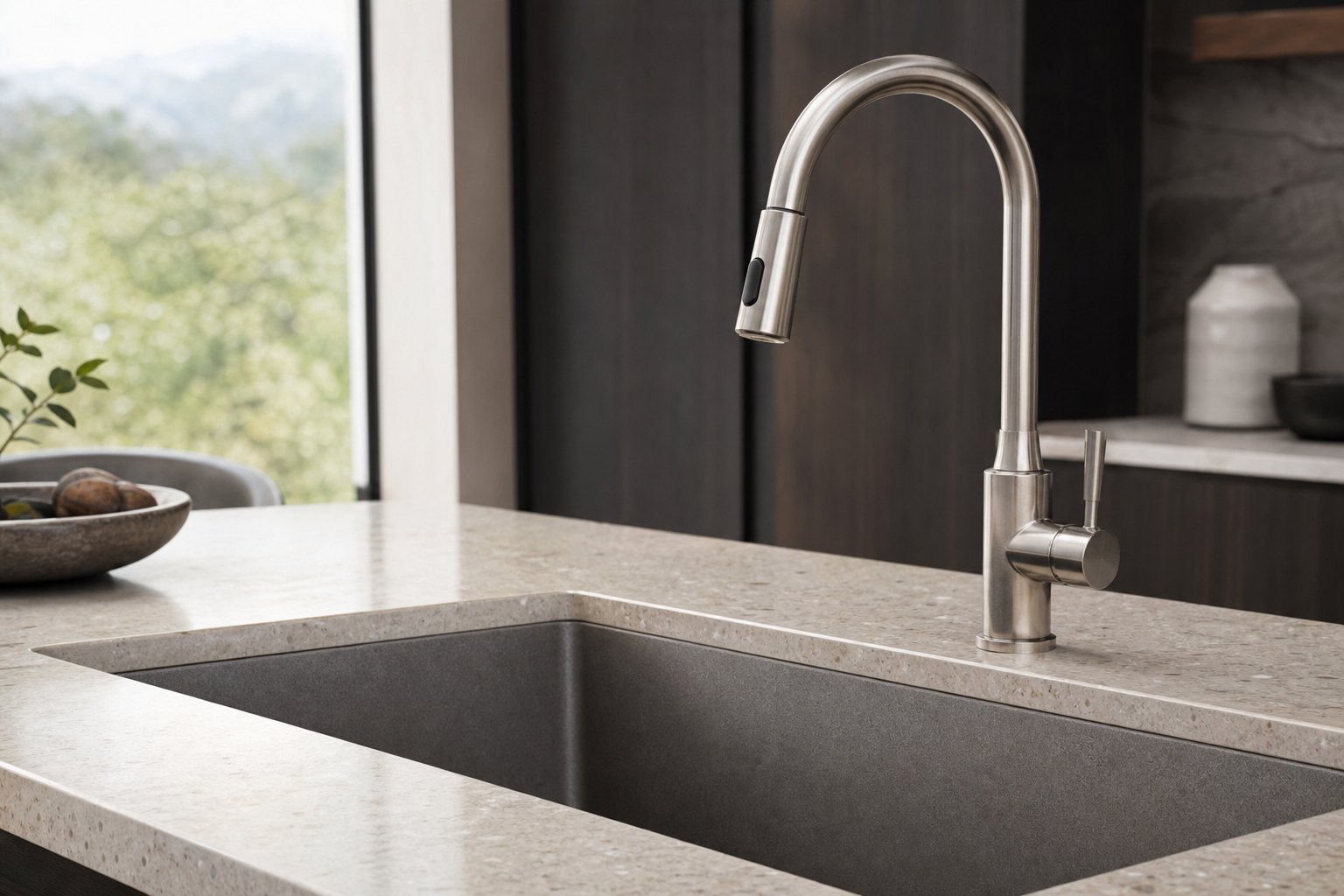
When choosing a faucet, functionality should lead the way. Models with pull-out spouts make washing large pots and cleaning the basin significantly easier. The Nordic-style kitchen faucets available at Vipex, including the Harma and Deante series, seamlessly combine minimalist aesthetics with long-term reliability.
Walls and Floors
Ceramic tiles remain the gold standard for kitchen backsplashes. They are non-porous, easy to sanitize, and do not absorb cooking odors. When selecting finishes, consider the following:
- Ease of Maintenance: High-gloss surfaces, such as Glossy White wall tiles, reflect light to make smaller kitchens feel more spacious and are easy to wipe clean.
- Practicality: Matte finishes and large-format tiles reduce the amount of grout lines, which are traditionally the most difficult areas to keep clean.
- Design Accents: To introduce a touch of luxury or create a unique focal point, glass mosaic tiles are an excellent choice for a bespoke look.
Expert Tips for a Flawless Finish
A high-quality result depends as much on professional installation as it does on the materials themselves. While the kitchen is not technically a "wet room," meticulous installation and maintenance around the sink area are vital to prevent water damage to the countertops. Always use flexible, high-quality grouts that are resistant to grease and staining.
For a professionally balanced aesthetic, follow the 60/30/10 rule: use a neutral base color for 60% of the space, a secondary color or metallic finish for 30%, and save the remaining 10% for bold, eye-catching accents. This ensures the design feels cohesive and intentional rather than overwhelming.
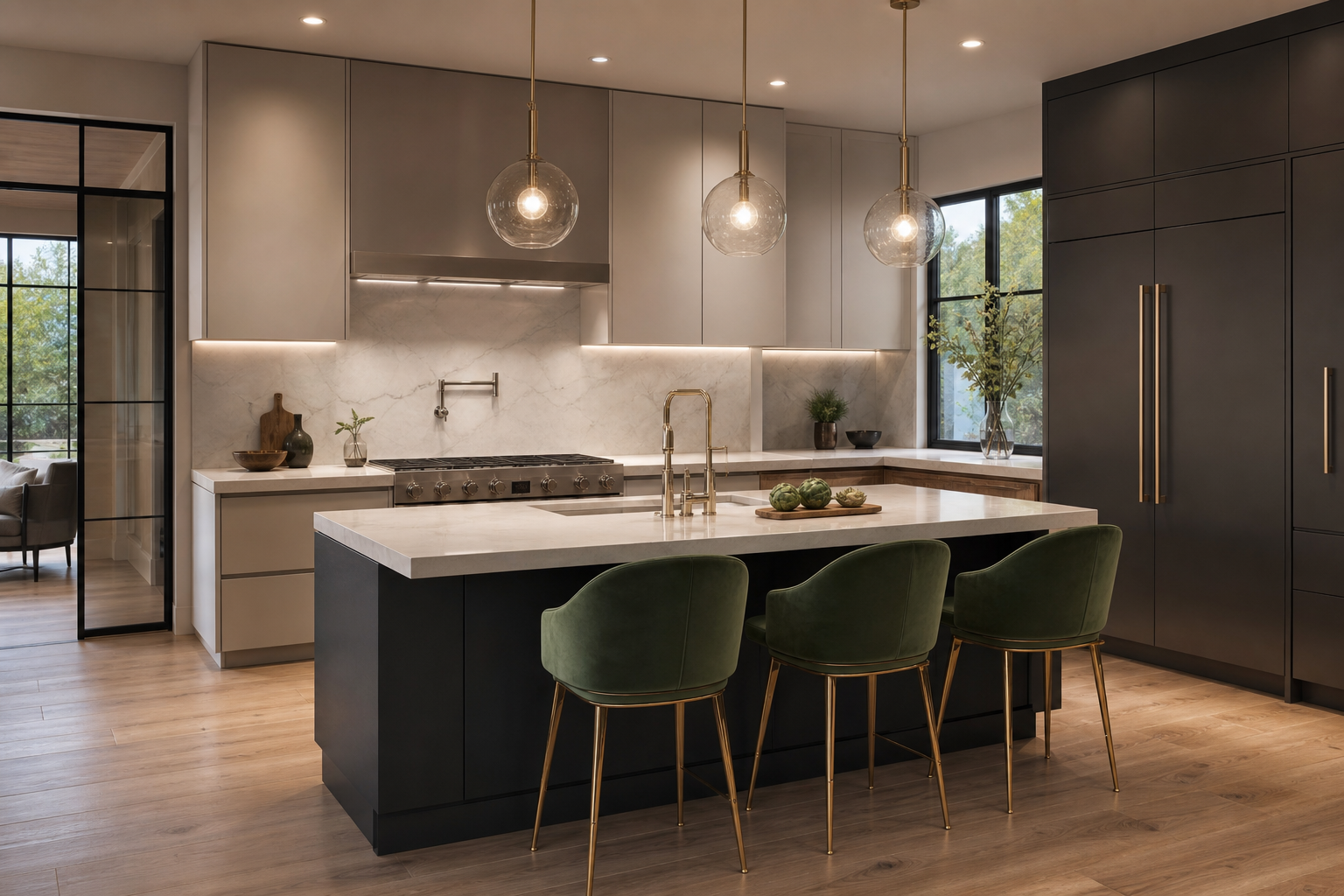
A successful kitchen renovation is the result of informed choices and thorough preparation. We invite you to explore our wide range of products in our online store or visit our showroom to discover durable, stylish solutions tailored to your home.