


How to choose a shower cabin for a small bathroom
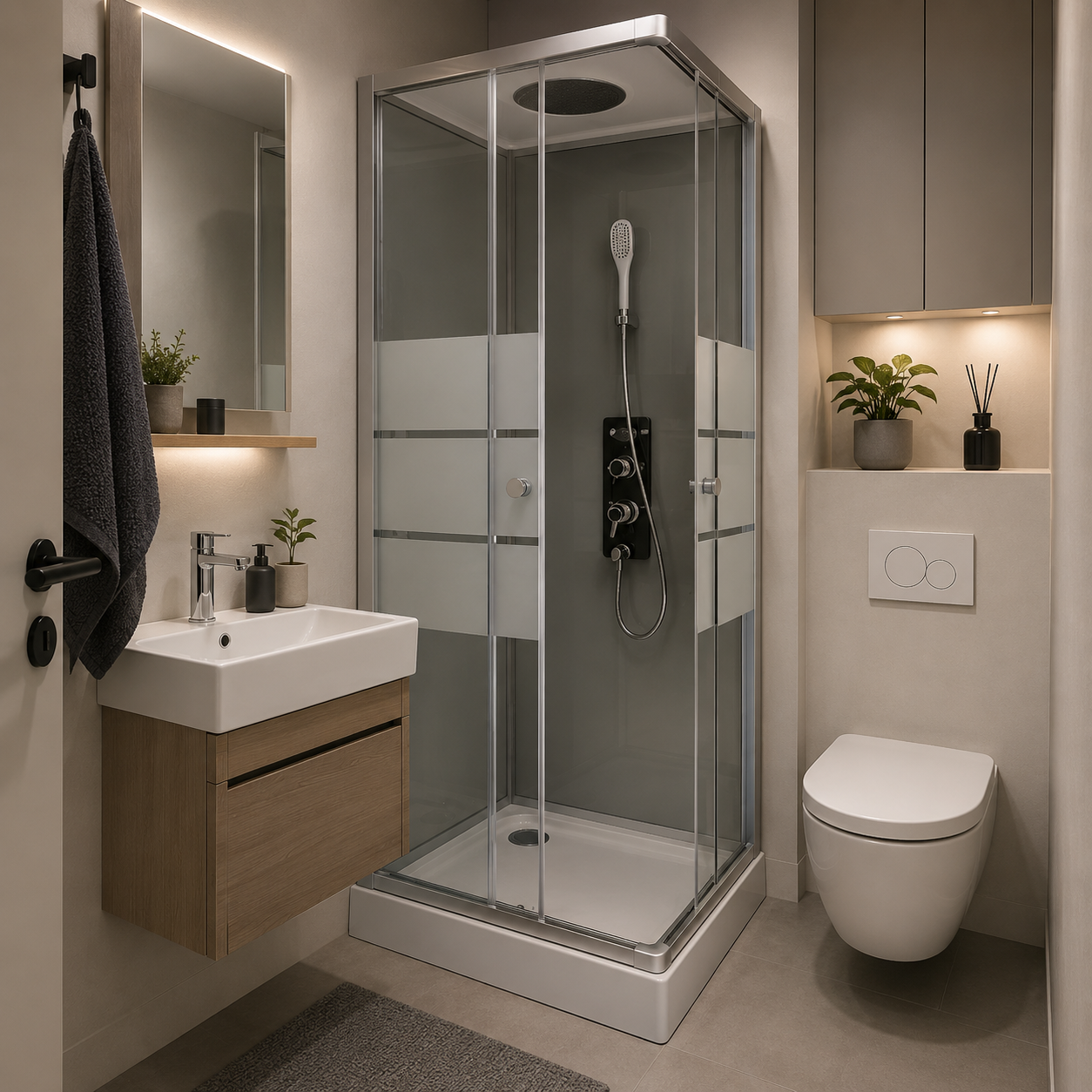
Which shower cabin is suitable for a small bathroom
When to choose a closed shower cabin and when a walk-in shower is the better option
A fully enclosed shower cabin is the better choice if you want water to stay strictly within the shower area and not spread across the rest of the bathroom. It is especially suitable for smaller bathrooms or when the shower area is very close to the washbasin or furniture. It also helps keep moisture under control if ventilation is limited.
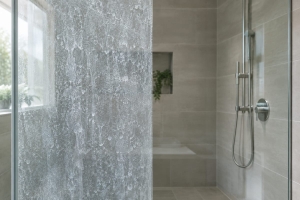
A walk-in shower works when the shower area can be designed so that water does not reach the rest of the bathroom. It makes the space feel more open, but requires precise execution – the floor slope and drainage must work properly, and the glass must be positioned correctly. When these are done right, the solution is comfortable; if not, water will start moving where it should not.
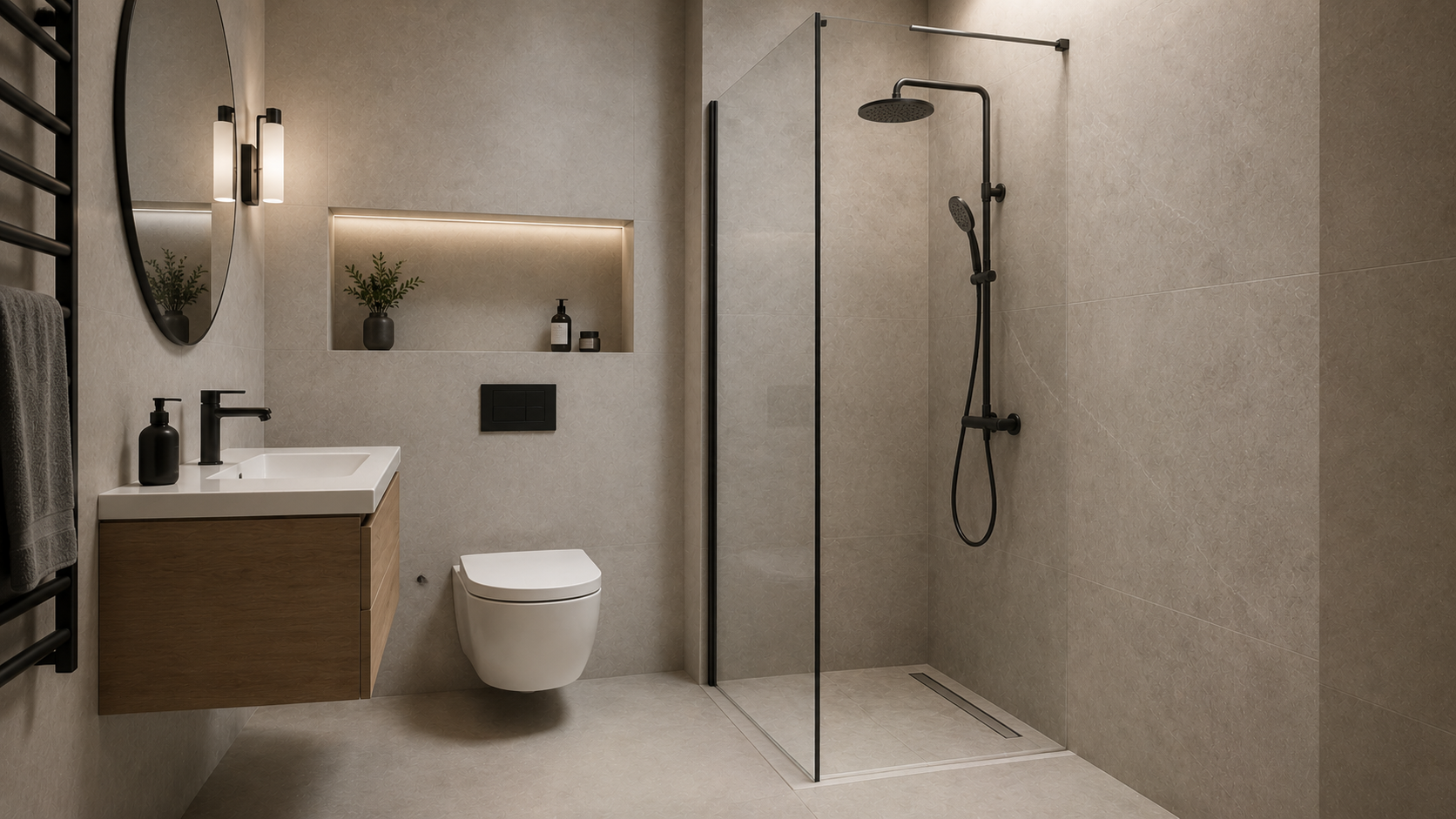
Shape and size matter more than you think
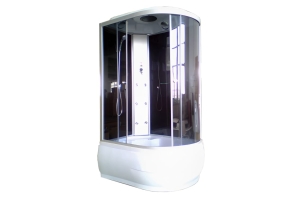
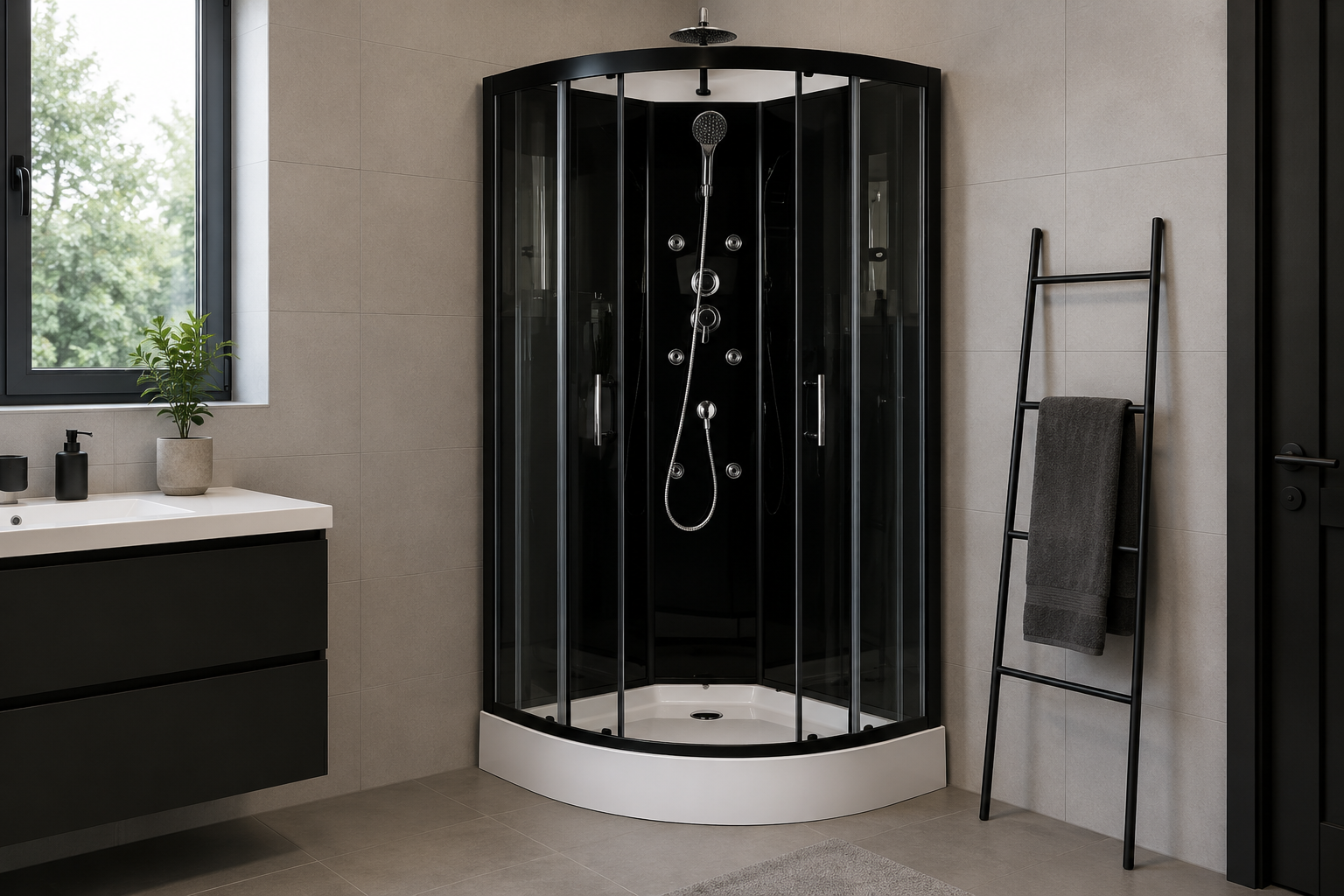
The shape of a shower cabin directly affects how much movement space remains in the bathroom. A square solution is the simplest, but it does not always use space efficiently, especially if the layout is awkward. In a longer bathroom, a rectangular shower cabin gives more room inside the shower, but takes up more floor space. A rounded-front shower cabin can be more practical in a smaller bathroom, as there are no sharp corners in the way and movement is easier.
When choosing the size, it is important to find a balance. 80x80 cm is more of a minimum for very small spaces, while 90x90 cm is clearly more comfortable to use. The shower should not be so small that movement inside is restricted, nor so large that there is not enough space left for the rest of the bathroom.
Doors determine ease of use
The choice of a shower cabin door affects more than it may seem at first, as it directly determines how much free space remains in the bathroom. In a small space, a sliding door solution is usually the most practical, since the door does not open outward and does not block movement. If sliding doors are not suitable for some reason, folding doors are a reasonable alternative, as they take up less space than traditional hinged doors. A classic outward-opening door only works well if there is enough free space for it; otherwise, it quickly starts to interfere with everyday use.
Glass and frame affect the visual look of the space
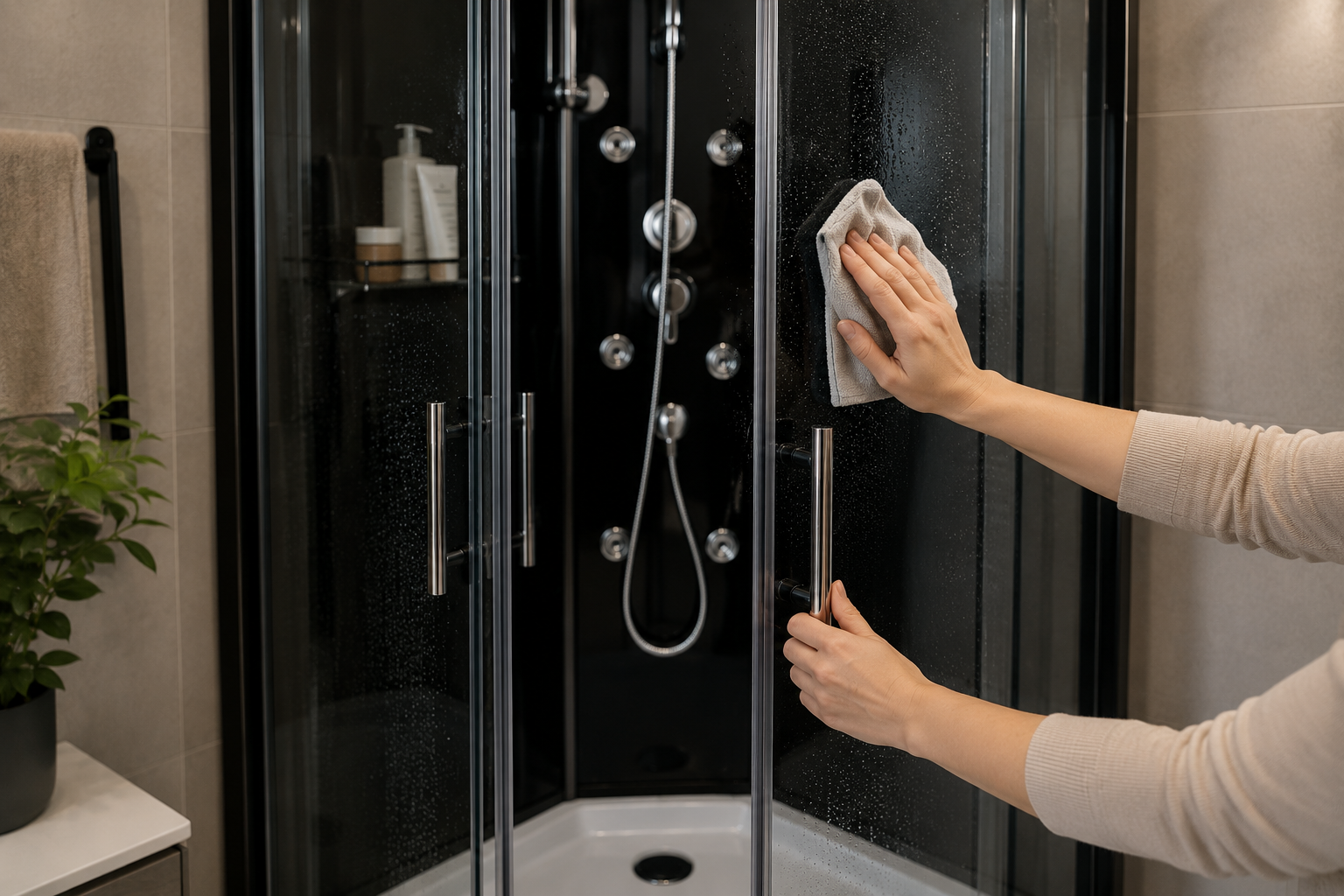
Maintenance and everyday use
The maintenance of a shower cabin depends largely on how complex its construction is. The more profiles, rails, and joints there are, the more surfaces collect dirt and limescale, and the longer cleaning takes. With a simpler solution, where there are smooth glass surfaces and minimal framing, everyday maintenance is much easier. The glass finish also plays a role, as some surfaces do not show water spots as quickly. If cleaning a shower cabin is complicated, dirt and limescale build up faster and require more frequent maintenance, so it is worth considering this when making your choice.
Shower tray or tiled floor
Solutions from the Vipex selection
Choosing a shower cabin for a small bathroom directly affects how comfortable and logical the space feels in everyday use. When the solution is well thought out in terms of layout and use, movement stays free and the bathroom does not feel cramped, even if space is limited. It is worth focusing on how the shower cabin actually works in your specific space, not just how it looks.
If you want to find a solution that fits your bathroom, get in touch with us and explore the Vipex selection.