


How to Prevent Tiles from Cracking in Freezing Weather
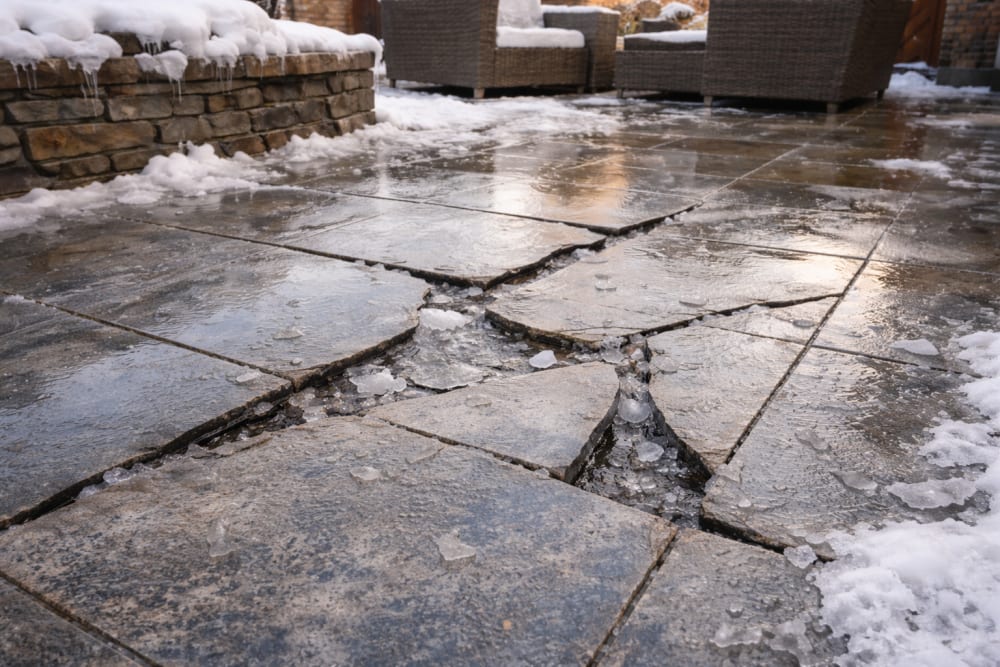
Few things are more frustrating for a homeowner than discovering cracked, heaved, or loose exterior tiles once the winter snow melts. This kind of seasonal damage does not occur by chance; it is almost always the consequence of poor material selection or compromised installation methods. With proper planning, the right installation techniques, and winter-hardy materials, outdoor tiled surfaces can endure harsh sub-zero temperatures year after year without failing.
Why Do Tiles Crack in Freezing Temperatures?
The root cause of frost-damaged tilework is straightforward: water infiltration. When moisture penetrates the tile body, the grout joints, or voids within the adhesive bed, trouble begins as soon as the temperature dips below freezing. Water expands by roughly 9% upon turning to ice, generating tremendous hydraulic pressure within the assembly. Over repeated freeze-thaw cycles, this relentless expansion causes micro-fissures that eventually shear the bond between tile and substrate, resulting in loose, spalling, or shattered tiles.
Cold air alone does not damage ceramic or stone; water is the necessary catalyst. This explains why an unheated, dry garage floor can survive deep winter without issue, whereas a nearby outdoor patio—exposed to snowmelt and poor drainage—can crack and debond in a single season.
Where Is the Risk of Frost Damage Highest?
Any tiled surface subject to standing water, heavy precipitation, and sub-zero temperatures is at high risk:
- Terraces, patios, and balconies built without an adequate pitch or effective drainage
- Exterior stairways and entryways exposed to constant foot traffic, de-icing salts, and slush
- Building foundations, plinths, and facade skirts that catch ground splash and rising damp
- Unheated outbuildings, detached garages, and open carports
For a deeper dive into outdoor tiling applications, take a look at our guide on using ceramic and porcelain tiles outdoors.
Which Tiles Can Withstand Winter Freezes?
A tile might feel thick and heavy, but weight and thickness are no guarantee of frost resistance. When specifying materials for outdoor use, density and low water absorption are the decisive factors. The less water a tile absorbs, the less vulnerable it is to the disruptive forces of freeze-thaw cycles.
The most reliable options for outdoor spaces are low-absorption ceramic and porcelain tiles—particularly vitrified full-body and porcelain stoneware—or high-density natural stone tiles. Surface texture is just as vital as frost tolerance; exterior tiles require structured or profiled surfaces to maintain traction in wet or snowy conditions. Read more about what slip-resistant tiles are and when you need them.
Substrate Preparation and Proper Slope
Most exterior tile failures start from the ground up. If the underlying slab is structurally weak or allows water to pool, even the highest-grade porcelain will eventually give way.
- The substrate must be sloped to guide water away from the building, maintaining a minimum pitch of 1.5% to 2% (1.5 to 2 cm per linear meter).
- Concrete slabs must be cured, stable, clean, and free of settlement cracks before any installation starts.
- An exterior-rated bonded waterproofing membrane applied directly beneath the tile protects the concrete slab against moisture absorption and structural degradation.
- Dedicated movement and expansion joints must be incorporated across the layout to absorb the thermal expansion and contraction caused by seasonal temperature swings.
For detailed technical specifications, explore our comprehensive tile installation and maintenance guide.
Mortars, Grout, and Common Installation Mistakes
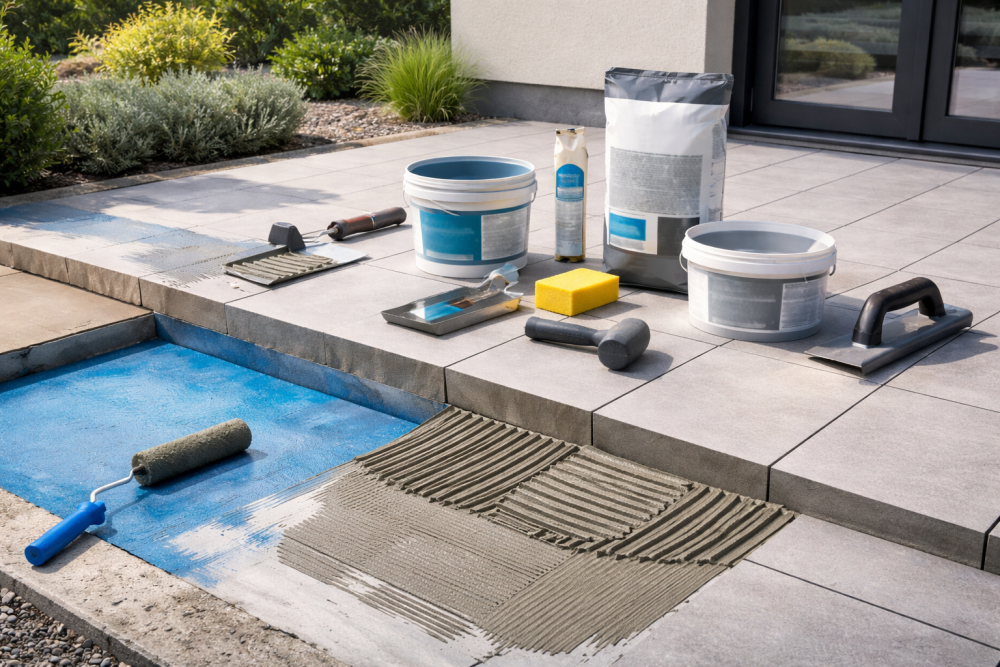
Interior-grade thin-sets and grouts should never be used on exterior projects. Exterior assemblies face dramatic thermal fluctuations and prolonged moisture exposure, requiring highly flexible, polymer-modified setting materials.
- Ensure 95% to 100% mortar coverage beneath every tile (achieved by back-buttering the tile and using the correct notched trowel). Any void left under the tile creates a pocket where trapped water will collect, freeze, and pop the tile loose.
- Use flexible, water-repellent grouts designed to block surface water infiltration.
- Treat perimeter transitions, corners, and movement joints with an exterior-rated, weather-resistant silicone or polyurethane sealant rather than rigid cementitious grout.
- Avoid installing tiles in ambient temperatures below +5 °C or under direct, scorching midday sun, as both extremes disrupt the chemical curing process of mortars and grouts.
When calculating coverage and setting compounds, consult our helpful overview on how to plan your tile purchase.
Frost-Resistant Solutions in the Vipex Range
The Vipex collection features tiles and surface finishes specifically engineered to thrive in demanding Northern European climates. Full-body porcelain tiles from respected Czech manufacturer Rako are especially prized for their exceptional mechanical strength and negligible water absorption.
Top picks for outdoor floors and high-traffic areas include:
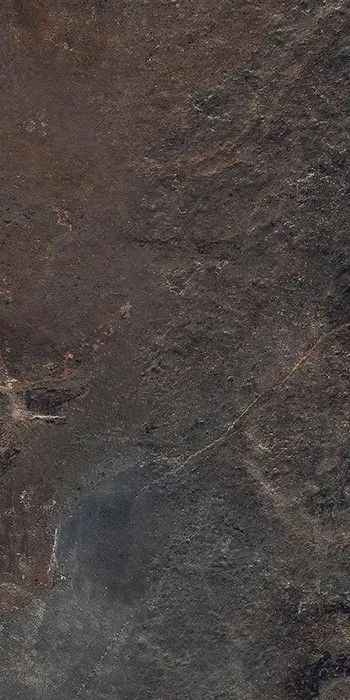
- Rako TAURUS 76S Nordic – a slip-resistant, ultra-durable full-body porcelain tile designed specifically for exterior settings
- Rako TAURUS 61S Tunis – a resilient matte floor tile built for heavy residential and commercial use
For outdoor stairs, purpose-made step treads with integrated safety grooves provide clean edges and reliable grip:
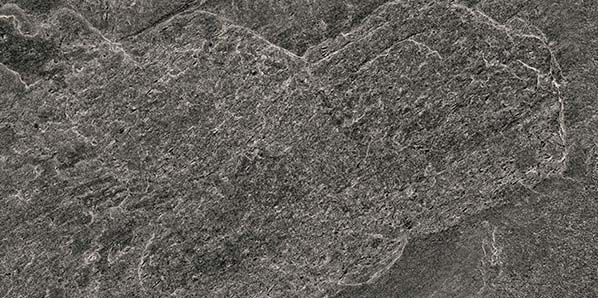
- Rako TAURUS 76SC step tread tile featuring a grooved, anti-slip nosing
- QUARZIT DCVSE737 ceramic step tread offering a structured tactile surface in a refined grey shade
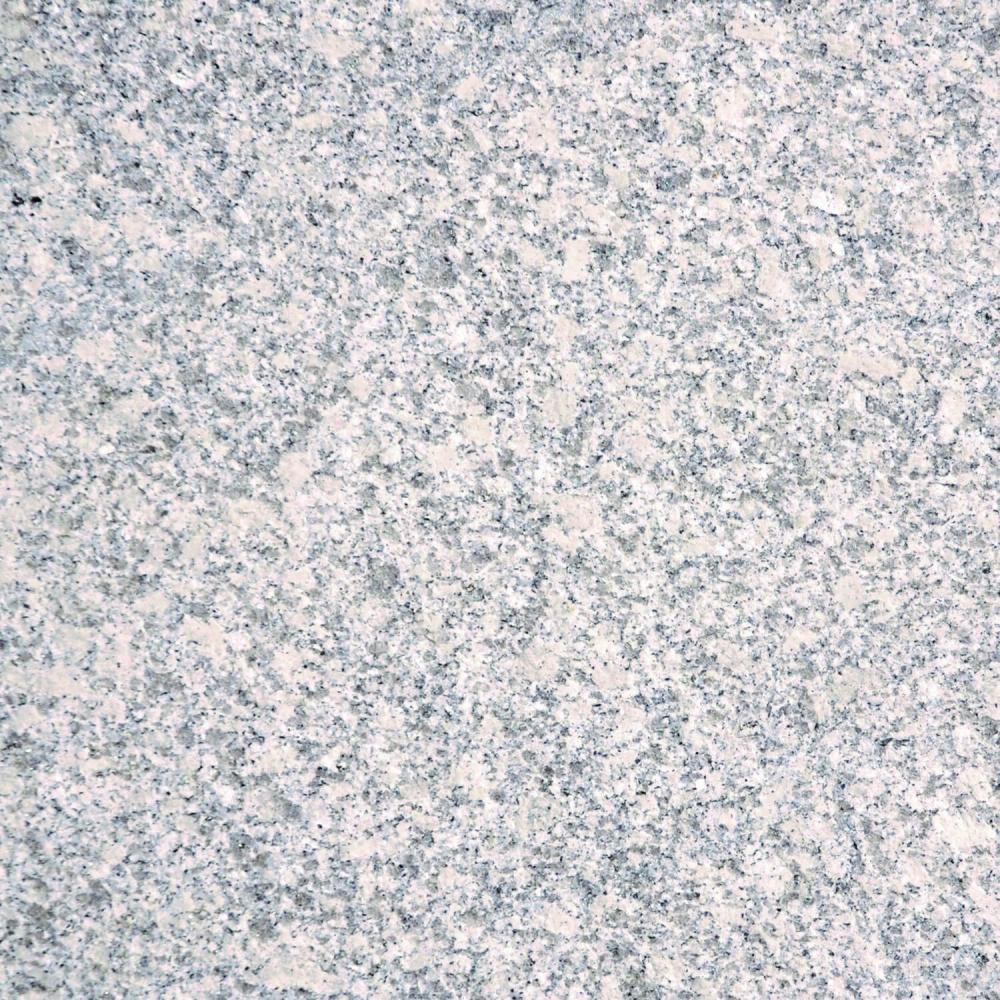
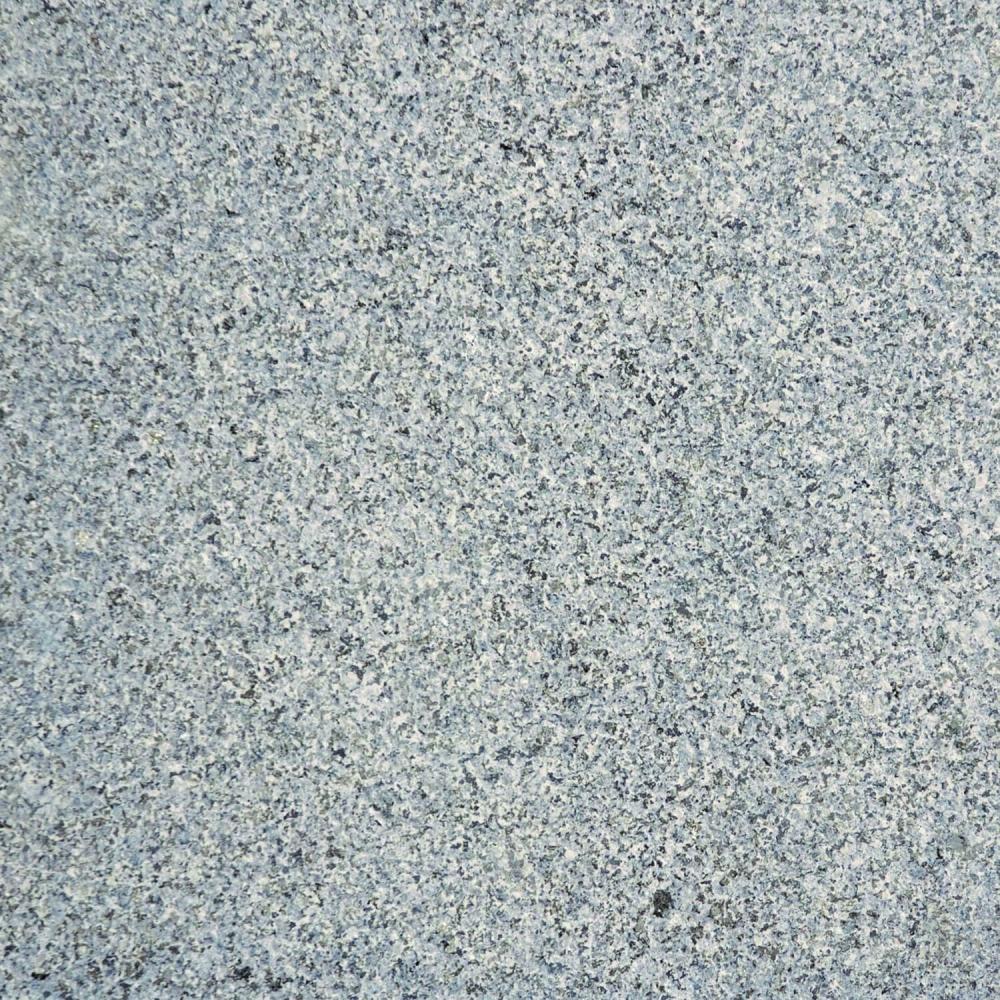
If you prefer the timeless aesthetic of authentic stone, flamed granite treads deliver unmatched durability and slip resistance in freezing weather:
- White Beauty granite step tread – a 20 mm thick, weather-hardened natural stone tread
- Arabian Black granite step tread – an elegant, high-strength deep black granite option

A winter-proof, long-lasting installation is the result of four key elements working together: frost-proof materials, correct fall angles, seamless waterproofing, and void-free mortar coverage. If you are preparing to tile a patio, entryway, or balcony, browse the curated selection in the Vipex online store or reach out to our team of specialists for expert project advice.