


Ceramic Tile for Rental Properties: A Stylish and Bulletproof Choice
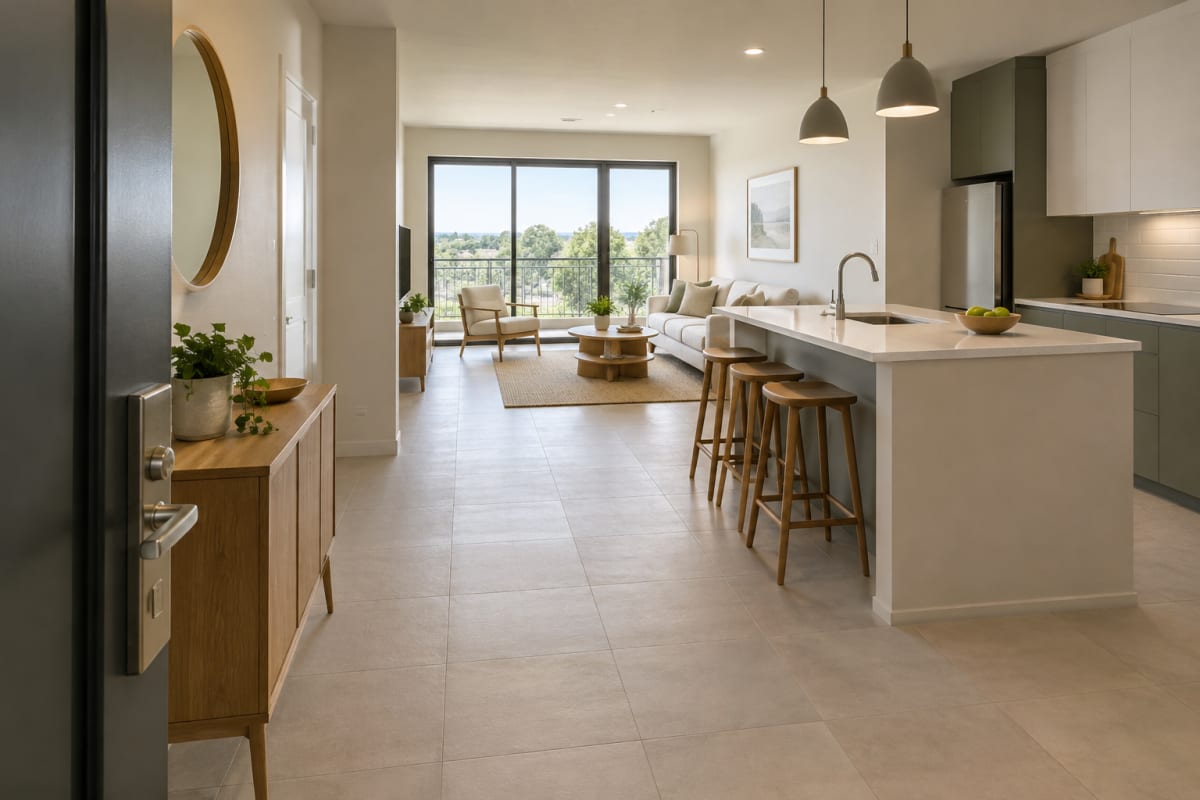
Can your investment property withstand the wear and tear of constant tenant turnover? In rental design, the ultimate challenge lies in balancing elevated aesthetics with rugged durability—keeping costly repairs at bay while protecting your asset's value for decades to come.
Why Choose Tile Over Other Materials for a Rental Property?
For property owners, material lifespan directly dictates return on investment. While standard laminate typically lasts 8 to 15 years and luxury vinyl plank maxes out around 20, high-quality ceramic or through-body porcelain tile can easily endure for 50 years or more. Choosing the right tile eliminates the recurring expense of replacing floors between tenants. Unlike hardwood or laminate, tile is completely impervious to standing water—an essential safeguard for busy entryways, kitchens, and bathrooms.
Tiled floors are low-maintenance for tenants and virtually risk-free for landlords. They easily shrug off pet claws, dragging furniture, and heavy daily foot traffic without scratching, denting, or showing premature wear. Premium tiles and finishing materials deliver a standard of durability that alternative flooring simply cannot match. In particular, porcelain certified under ASTM C373—with a water absorption rate of 0.5% or less—offers exceptional density, making it a reliable solution for any living area. For more practical strategies on fitting out income properties, explore our guide on furnishing short-term rentals with ceramic tiles.
Technical Specifications: Wear Rating and Slip Resistance
Specifying tile for a rental requires more than choosing an attractive pattern; verifying technical performance standards is essential. The PEI (Porcelain Enamel Institute) rating measures the surface glaze's resistance to abrasion:
- PEI 3: Designed for moderate residential traffic, making it well-suited for bedrooms and primary bathrooms.
- PEI 4: Recommended for heavy residential use, including high-traffic hallways, entryways, and kitchens.
- PEI 5: Engineered for commercial-grade wear, heavy foot traffic, and shared building amenities.
Slip resistance is just as vital for tenant safety and liability management. Standard dry living spaces function well with an R9 rating, but entryways subject to wet shoes and bathrooms prone to splashes perform best with an R10 or R11 slip-resistance rating. For interior wet floors, look for a Dynamic Coefficient of Friction (DCOF according to ANSI A326.3) of at least 0.42.
Collections like the Moon Dark Grey 60x60 ceramic floor tile and the warm Disenia Beige 60x60 tile deliver dependable R10 traction while remaining straightforward to clean. The concrete-look Seramiksan BRUGGE Grey floor tile provides another versatile option for busy kitchen and bath floors. To dive deeper into safety metrics, consult our guide on the properties and uses of slip-resistant tiles.
Balancing Aesthetics and Practicality
Rental interiors should feature a neutral, contemporary palette to appeal to the widest possible pool of prospective tenants. Modern ceramic tiles offer extensive design versatility, faithfully capturing the appearance of natural hardwood, poured concrete, and natural stone. Long-established European manufacturers such as the Czech brand Rako—with more than 130 years of manufacturing experience—combine timeless aesthetics with commercial-grade resilience.
Surface finish should always align with how a room is used. Polished, high-gloss tiles reflect ambient light to make compact layouts feel brighter and more open, whereas matte finishes do a superior job of concealing water spots, dust, and dried splashes. For a detailed breakdown of these characteristics, read our overview of how glossy, semi-matte, and matte surfaces affect a space.
Large-format tiles continue to be a favored design choice for rentals. Fewer grout joints mean fewer seams where dirt, soap scum, and limescale can collect. For a grounded, organic feel, consider the stone-effect Arcana Tepuy-R Mix 60x60 tile or the playful terrazzo aesthetic of Arcana Stracciatella-R Nacar 80x80 wall and floor tile. On walls, the subtle neutral shades of Veneto Galapagos Base A and Veneto Galapagos Base B wall tiles create a calm, cohesive backdrop. Find more curated styles in our roundup of the most beautiful ceramic tiles.
Adding Character and Accent Features
Durability does not require designing a sterile, generic environment. A distinctive kitchen backsplash or an eye-catching bathroom feature wall can set a listing apart in competitive rental markets. You can inject character through the subtle dimensional textures of Veneto Galapagos Ornato A wall tiles or the refined sheen of glass mosaic tiles. To discover more decorative concepts, explore our feature on art and craftsmanship in ceramic tile design.
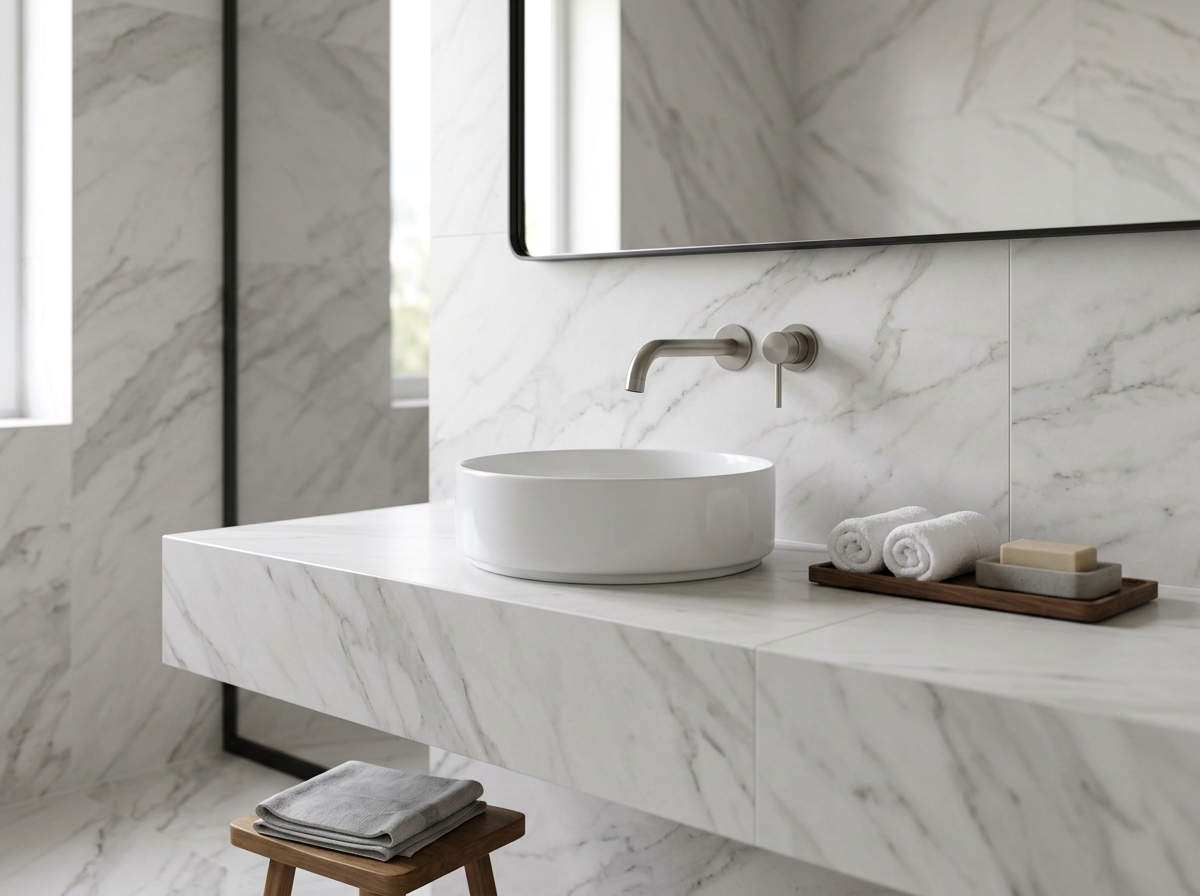
Real marble remains an expensive liability in rentals because its porous structure is vulnerable to staining and acid etching. Marble-look porcelain, by contrast, delivers the same upscale visual impact with none of the maintenance headaches or long-term risk.
Installation, Waterproofing, and Maintenance
Even top-tier tile will fail prematurely without proper surface preparation and installation. Comprehensive waterproofing is mandatory in wet zones, as outlined in our bathroom waterproofing guide. When placing an order, factor in a 10–15% buffer for cuts, job-site waste, and reserve stock for future repairs—a process detailed in our guide on how to calculate tile quantities.
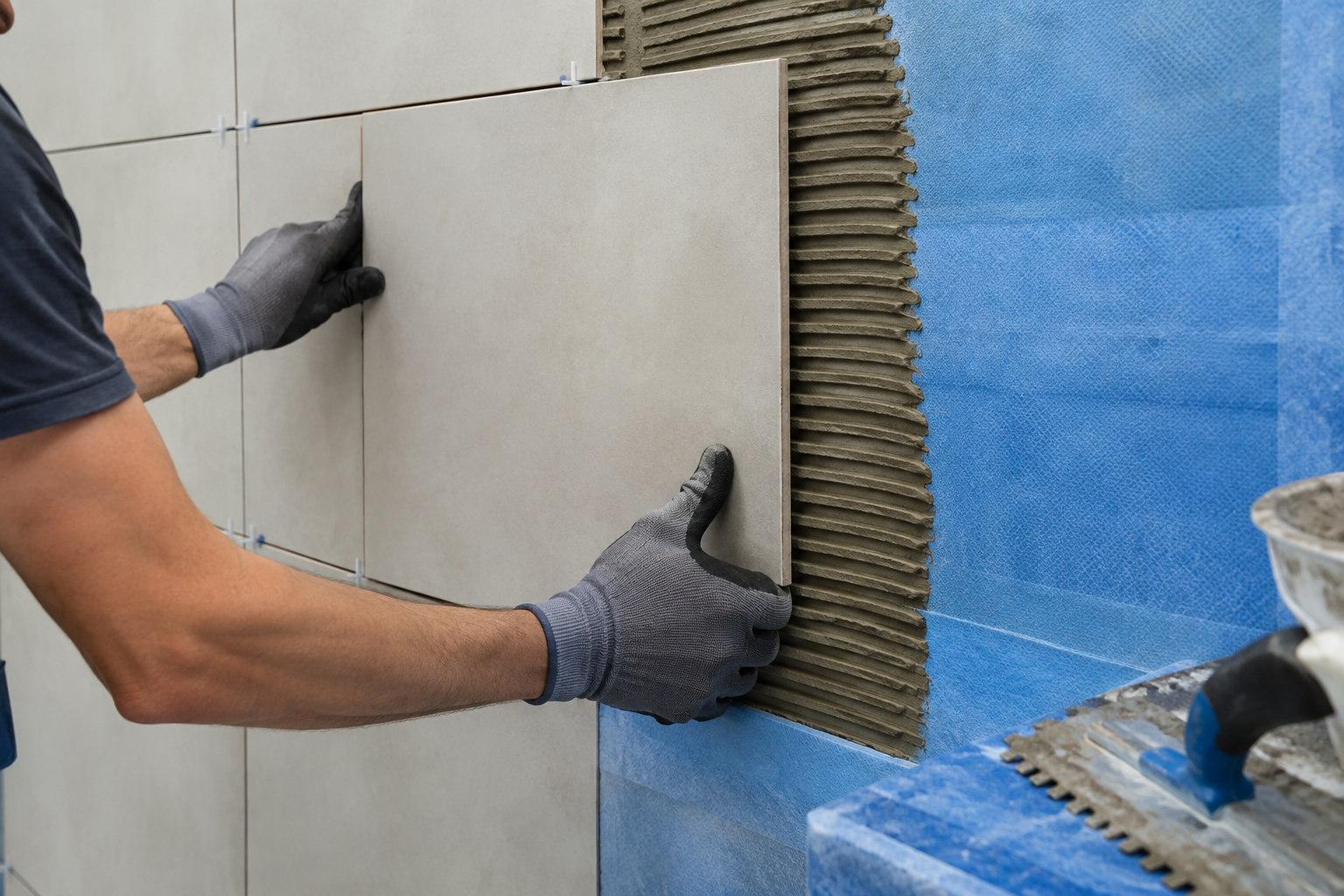
To protect your investment over the long term, follow these industry installation and maintenance practices:
- Spread thin-set mortar evenly using the manufacturer-specified notched trowel to achieve full adhesive coverage under every tile and eliminate hollow spots.
- Base grout joint widths on the tile’s dimensional calibration rather than aesthetic preferences alone.
- In moisture-heavy and stain-prone locations, opt for non-porous epoxy grout, or treat cementitious grout with a high-grade penetrating sealer per manufacturer instructions.
- Clean installations with pH-neutral formulas, avoiding harsh acids or abrasive scrubbers that degrade grout joints and dull glazed surfaces.
For step-by-step guidance on every phase of the process, review our definitive guide to ceramic tile installation and maintenance.
Careful material selection paired with precise installation ensures lower turnover costs, minimal maintenance, and lasting tenant appeal. For broader project advice, check out our insights on choosing ceramic tiles for your home, or connect with the specialists at Vipex and visit our showroom to tailor the ideal tile package for your rental property.