


How to Prevent Mold and Maintain a Fresh Bathroom
Maintaining humidity levels above 60% transforms your bathroom into a perfect breeding ground for mold. If you have already noticed a musty odor or dark spots appearing in the grout, the problem has taken root. When it comes to mold, prevention is significantly more effective—and much more affordable—than remediation.
Why Does Mold Thrive in the Bathroom?
Mold is more than a cosmetic nuisance; it is a clear symptom of excessive moisture and poor air circulation. To flourish, mold spores require three specific conditions: organic nutrients (such as soap residue or skin cells), warmth, and persistent moisture. Given that the bathroom is typically the most humid room in the house, it is naturally at high risk for fungal growth.
Health organizations and building experts recommend keeping relative humidity (RH) between 30% and 50%. Once levels consistently exceed 60% during use, condensation begins to penetrate grout lines and seep behind silicone seals. Without adequate airflow, these spores settle on porous surfaces. Over time, exposure to mold can trigger respiratory issues, persistent coughs, and various allergies.
Detection and Safe Removal
Identifying mold is usually straightforward: look for visible discoloration or trust your sense of smell to detect that characteristic "damp" odor. In most residential cases, professional lab testing is unnecessary—if you can see it or smell it, you need to address it.
Small patches of mold (less than 1 m²) can often be managed with soap and water or specialized fungicidal cleaners. For more stubborn growth, a bleach solution (approximately 250ml of bleach per 4 liters of water) is effective. However, never mix bleach with ammonia or other household cleaners, as this creates toxic fumes. When cleaning, always follow these safety protocols:
- Wear rubber gloves and eye protection.
- Use at least an N95 respirator to avoid inhaling airborne spores.
- Ensure maximum ventilation by opening all windows and doors during the process.
- For extensive infestations or mold caused by sewage leaks, always consult a professional remediation service.
Effective Ventilation: The Foundation of a Dry Bathroom
The most critical factor in mold prevention is efficient air exchange. To meet standard requirements, a bathroom's exhaust rate should be at least 25 l/s. High-quality mechanical ventilation can reduce humidity levels by as much as 50% within thirty minutes of showering.
Experts at Vipex recommend installing an exhaust fan equipped with a humidity sensor that activates automatically when moisture levels rise. It is also good practice to leave the bathroom door open after use to encourage airflow throughout the home. If you are planning a project, reviewing common bathroom renovation mistakes can help you avoid ventilation pitfalls. Properly designed bathroom ventilation is an essential investment in the longevity of your home’s structure.
Materials and Construction: Denying Mold a Home
A mold-resistant bathroom starts with the right materials. Because porous surfaces trap moisture and spores, prioritize smooth, non-absorbent finishes. High-quality ceramic tiles are an ideal choice due to their dense, water-repellent nature.
The most vital component, however, is the bathroom waterproofing applied beneath the surface. This must form a continuous, elastic membrane to prevent moisture from reaching the wall and floor substrates. If this barrier fails, mold can grow undetected behind the tiles, where it is impossible to treat without a full demolition. For the best results, use epoxy grout; it is completely waterproof and non-porous, leaving no room for spores to take hold.
Temperature Control: Keeping Surfaces Dry
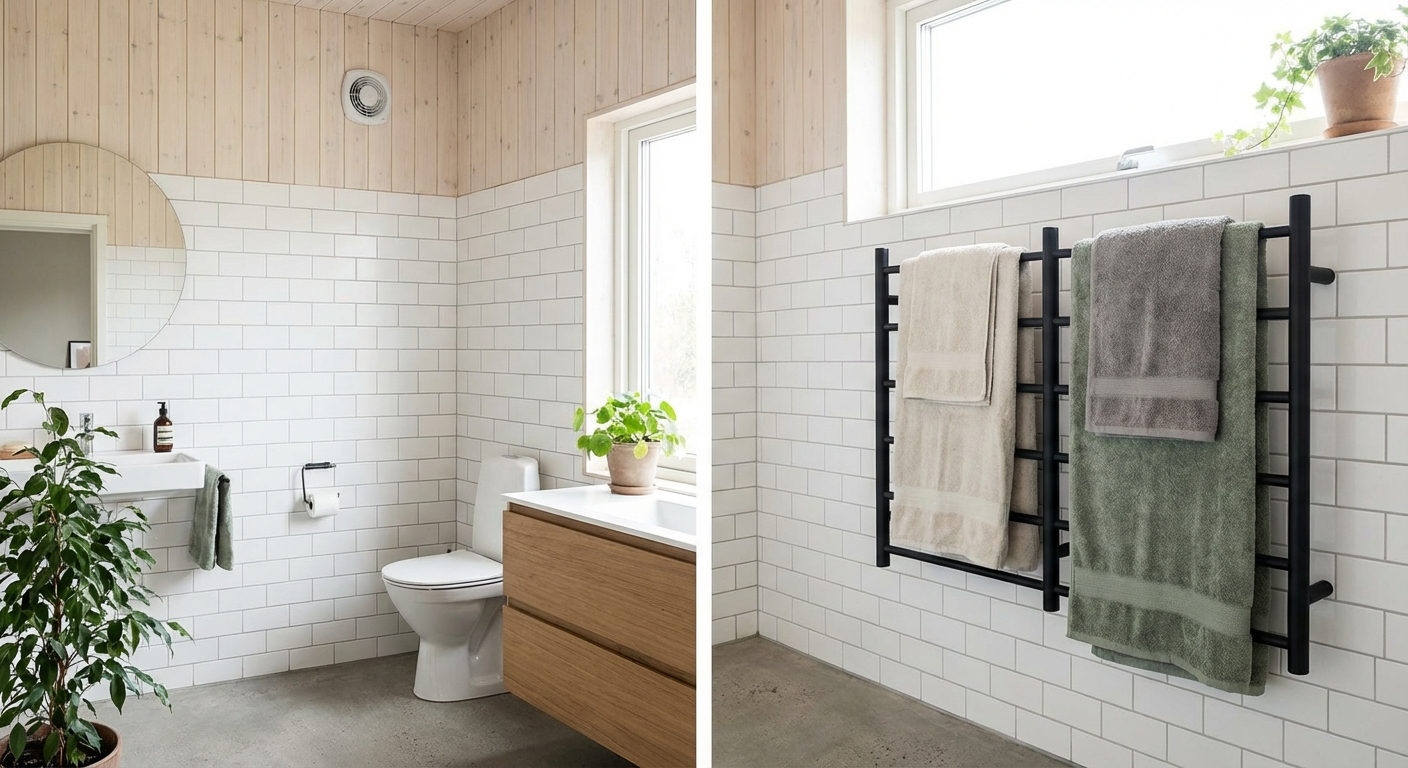
Beyond ventilation, the room's heating strategy plays a vital role. A high-quality heated towel rail is not just a luxury; it maintains a stable ambient temperature and dries towels quickly, preventing them from releasing moisture back into the air.
Similarly, underfloor heating is highly effective at drying floor surfaces and grout lines after use. Stone and ceramic are excellent thermal conductors; by storing heat, they help create a microclimate that is far too dry for mold to survive.
Maintenance Habits for Long-Term Health
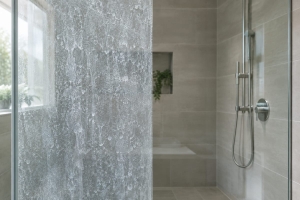
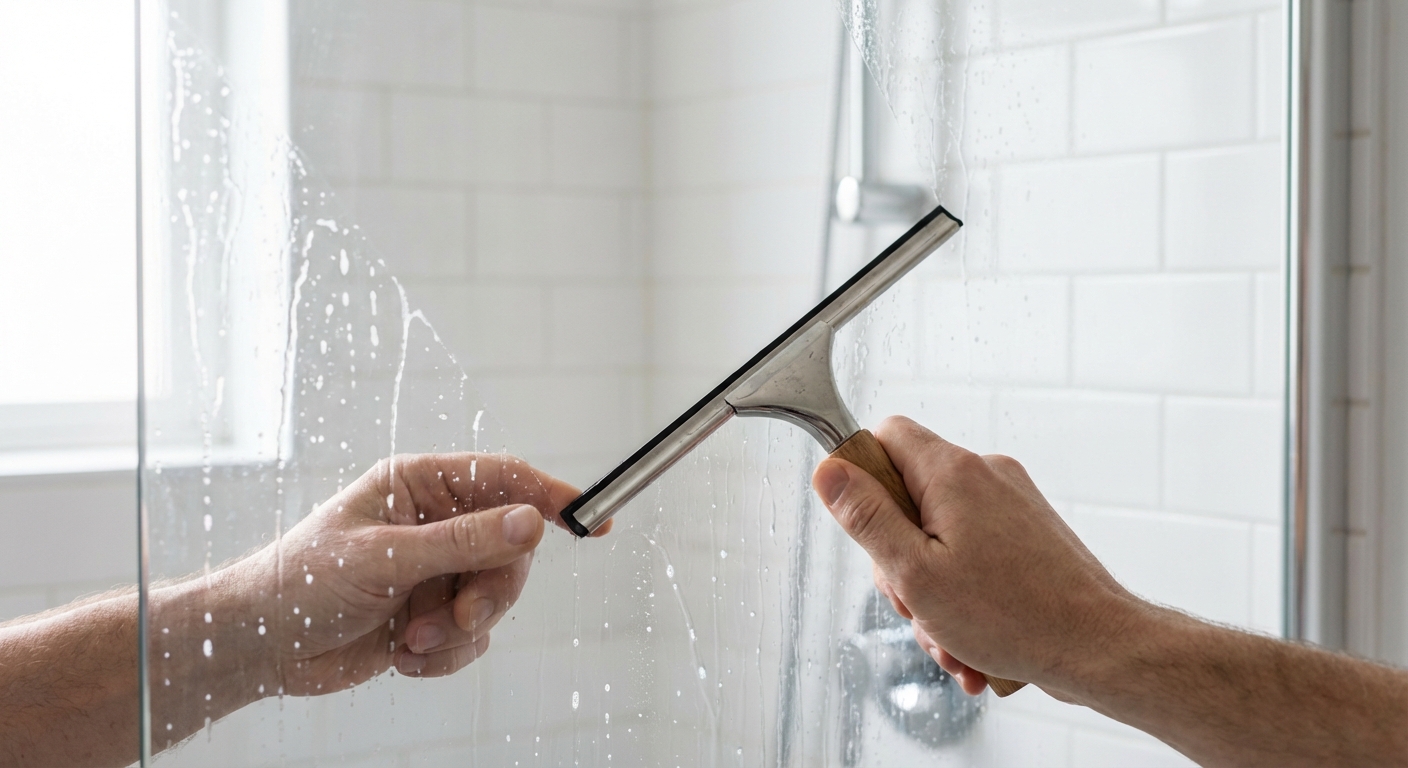
Even the most advanced bathroom requires consistent care. After showering, use a squeegee to remove excess water from glass partitions and tiles. This simple habit drastically reduces the amount of standing water that has to evaporate into the air.
During your regular cleaning routine, pay close attention to corners and joints. If you notice cracks or persistent stains in the sealant, strip the old material and apply a fresh bead of sanitary silicone containing anti-mold additives. Additionally, choose bathroom furniture and bathroom accessories specifically designed for high-moisture environments to prevent swelling and corrosion.
Keeping a bathroom fresh and mold-free is the result of smart planning, quality materials, and proper airflow. By investing in durable solutions today, you protect your home’s value and ensure a healthy environment for your family.
Planning a mold-proof bathroom renovation? Explore our full range of materials in our online store or visit the Vipex showroom for expert advice and premium solutions.