


Maximizing Home Heating Efficiency: A Guide to Reducing Energy Costs
Nearly 40% of a building's heat can be lost through poor insulation and inefficient heating systems. Fortunately, keeping heating costs under control doesn’t always require a massive capital investment. Often, smart adjustments, strategic upgrades, and regular maintenance are enough to keep your home warm while keeping utility bills manageable.
Start at the Source: Minimizing Heat Loss
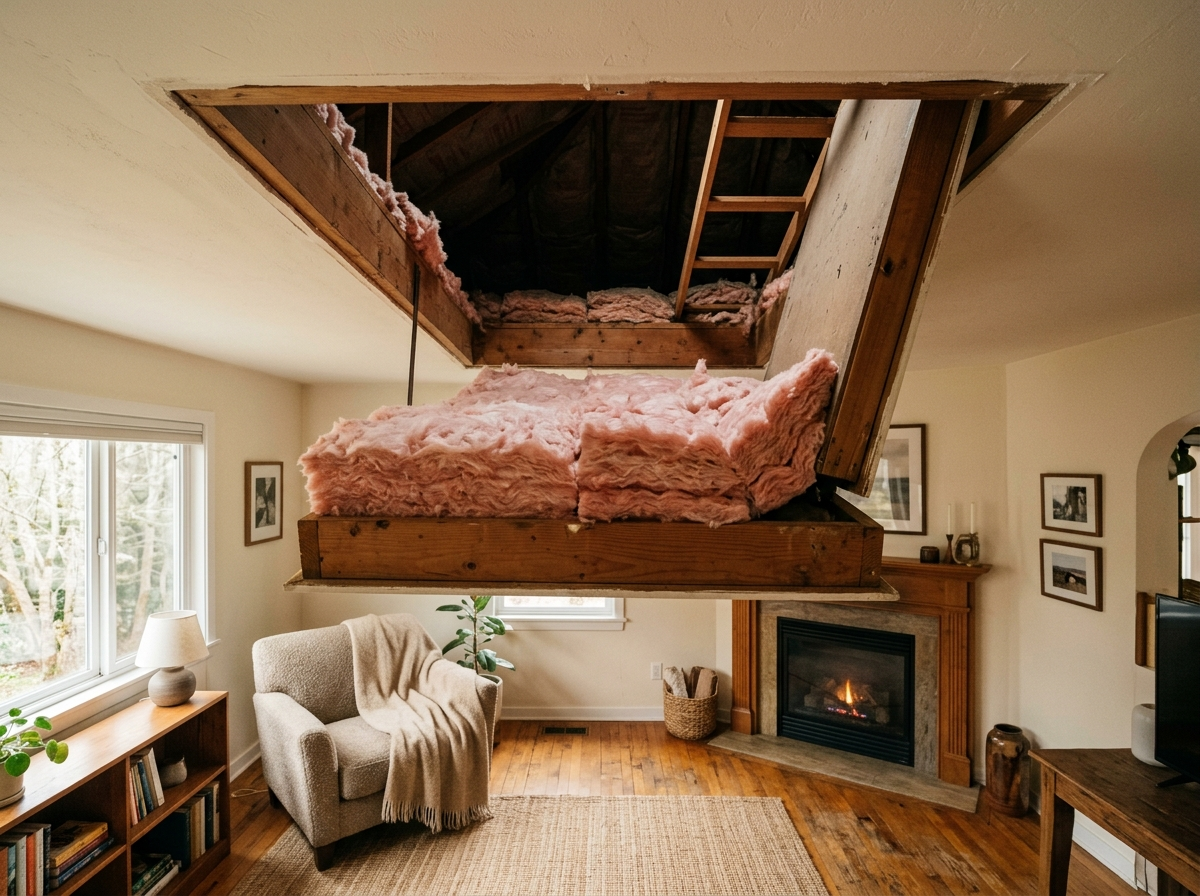
Before investing in a new boiler or radiator, it is critical to ensure that the heat you produce actually stays inside. One of the most overlooked weak links in home insulation is the attic hatch. An uninsulated hatch can account for up to 20% of a building's total heat loss, acting essentially like an open window that allows warm air to escape continuously into the unheated attic space.
To boost energy efficiency, choosing the right wall and attic hatches is one of the fastest and most cost-effective solutions available. For maximum savings, we recommend hatches with at least 70 mm of insulation. These create a robust thermal barrier between living spaces and unheated zones, stabilizing the indoor climate and significantly reducing the load on your heating system.
Smart Controls and Temperature Regulation
Small shifts in daily habits and system settings can yield significant financial gains without sacrificing comfort. Research shows that lowering the temperature by just 3–4 degrees for an 8-hour period—such as overnight or while the house is empty during the workday—can save up to 10% on your annual heating bill. Modern programmable systems make this process both automatic and effortless.
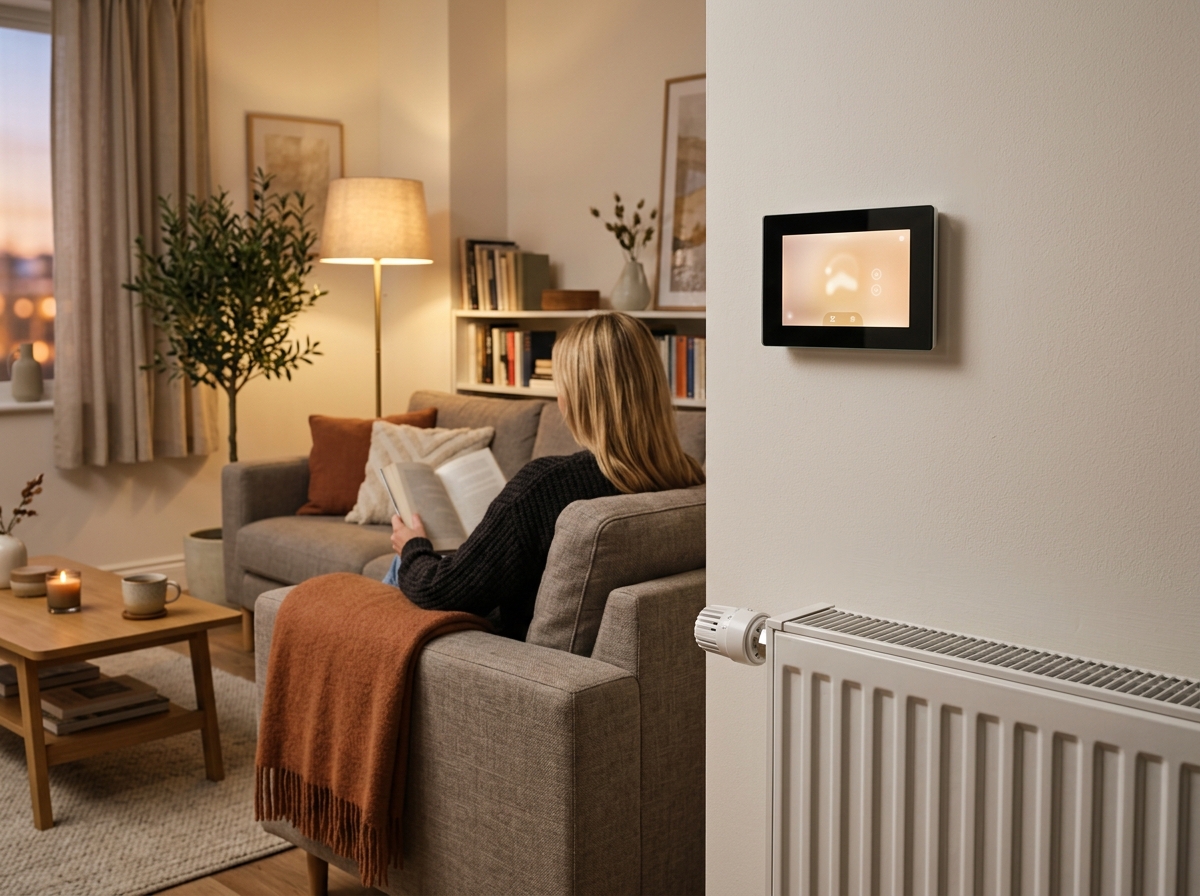
Modern radiators and thermal storage tanks provide a distinct advantage by allowing for precise heating schedules. These systems are particularly beneficial for users on spot-price electricity plans, as they can store heat during off-peak hours when electricity prices are at their lowest and release it during the day when energy is most expensive. This dynamic management levels out heating costs and ensures you only pay for energy when it is most affordable.
Optimizing Water Heating and Equipment Selection
Water heating accounts for a major portion of household energy consumption, and relying on outdated technology is a direct drain on your finances. If your boiler is more than 10–12 years old, its insulation and heating elements are likely no longer performing efficiently. New-generation appliances, such as the Ariston Velis Pro 100 water heater, feature "smart" ECO EVO functions. These systems learn your household's usage patterns and reduce energy consumption by up to 14% by heating water only when it is actually needed.
When selecting a new appliance, it is vital to match it to your household’s specific requirements. Always opt for high energy-class devices with thick, high-quality insulation. Furthermore, avoid the common mistake of choosing a boiler that is too large; keeping excess water hot is a waste of energy. For a family of four, a 100–120 liter model is typically optimal. If space is an issue, consider flexible installation solutions like the horizontal Ariston Blu1 R 100 water heater, which is designed for low-clearance areas or tight niches.
Maintenance and System Balancing
A heating system's efficiency naturally declines over time as air, dirt, or limescale builds up. Simple tasks like bleeding radiators and performing hydraulic balancing can improve efficiency by 10–20%, ensuring heat is distributed evenly throughout the home. If the top of a radiator feels cool while the bottom is warm, it is a clear sign of trapped air, which forces the pump to work harder and consume more energy.
For water heaters, regular descaling and magnesium anode checks are essential. When a heating element is coated in limescale, it must work significantly harder to heat the water, causing electricity bills to spike. If you notice slow heating times, unusual noises, or signs of rust, it may be time to replace your boiler with a more modern, efficient model.
Efficiency Through Zoning
One of the most effective ways to save energy in both residential and commercial properties is through "zoning"—heating rooms based on their actual use. It is rarely necessary to maintain the same temperature in a living room as in a bedroom, where cooler air often promotes better sleep, or in rarely used storage areas.
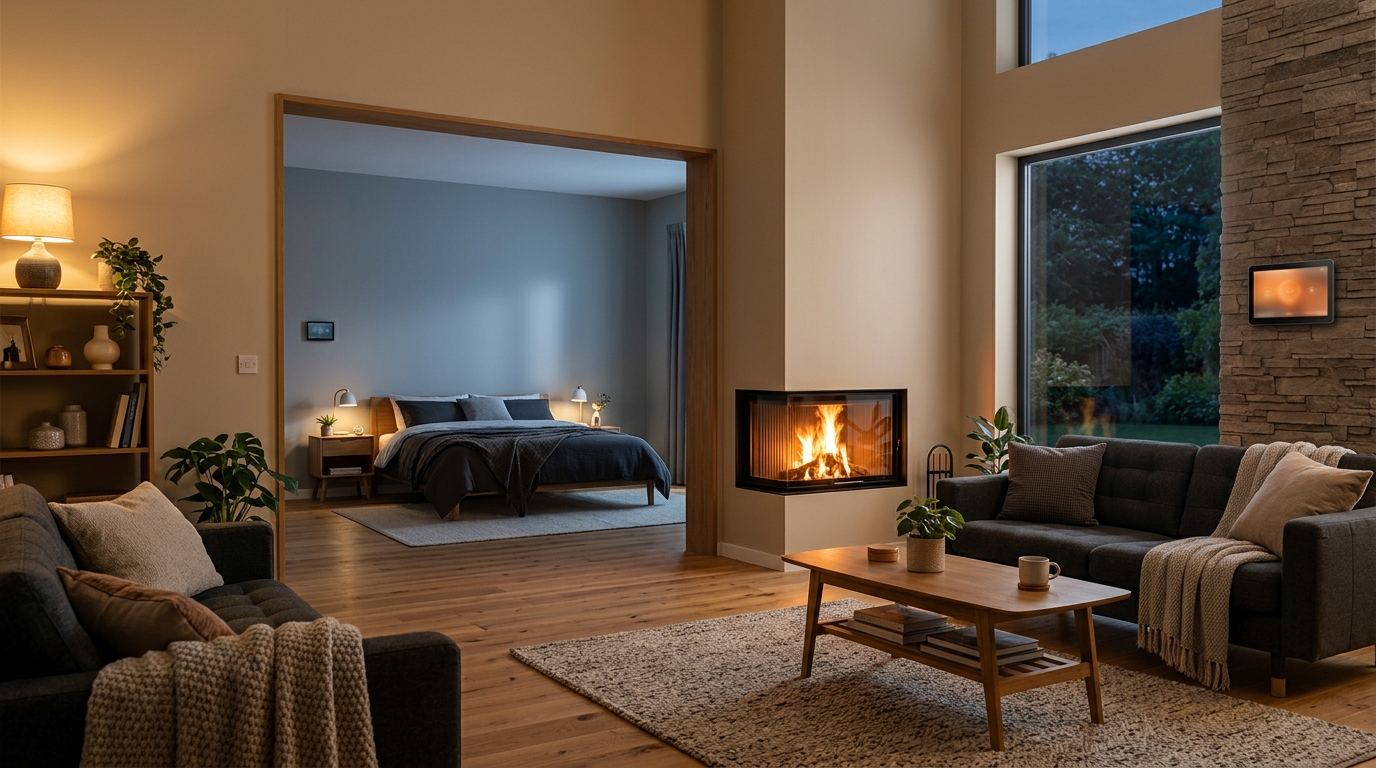
By utilizing zone-based thermostats, you can achieve savings of 20–30% by avoiding the cost of heating empty rooms. This approach is an investment that pays off quickly through optimized energy consumption and improved living comfort. Improving energy efficiency is a holistic process that begins with conscious choices and is sustained through proper equipment maintenance.
Explore our wide range of heating equipment to find modern, energy-saving solutions tailored to your home or business.