


Underfloor Heating in the Bathroom: Benefits, Efficiency, and Installation Guide
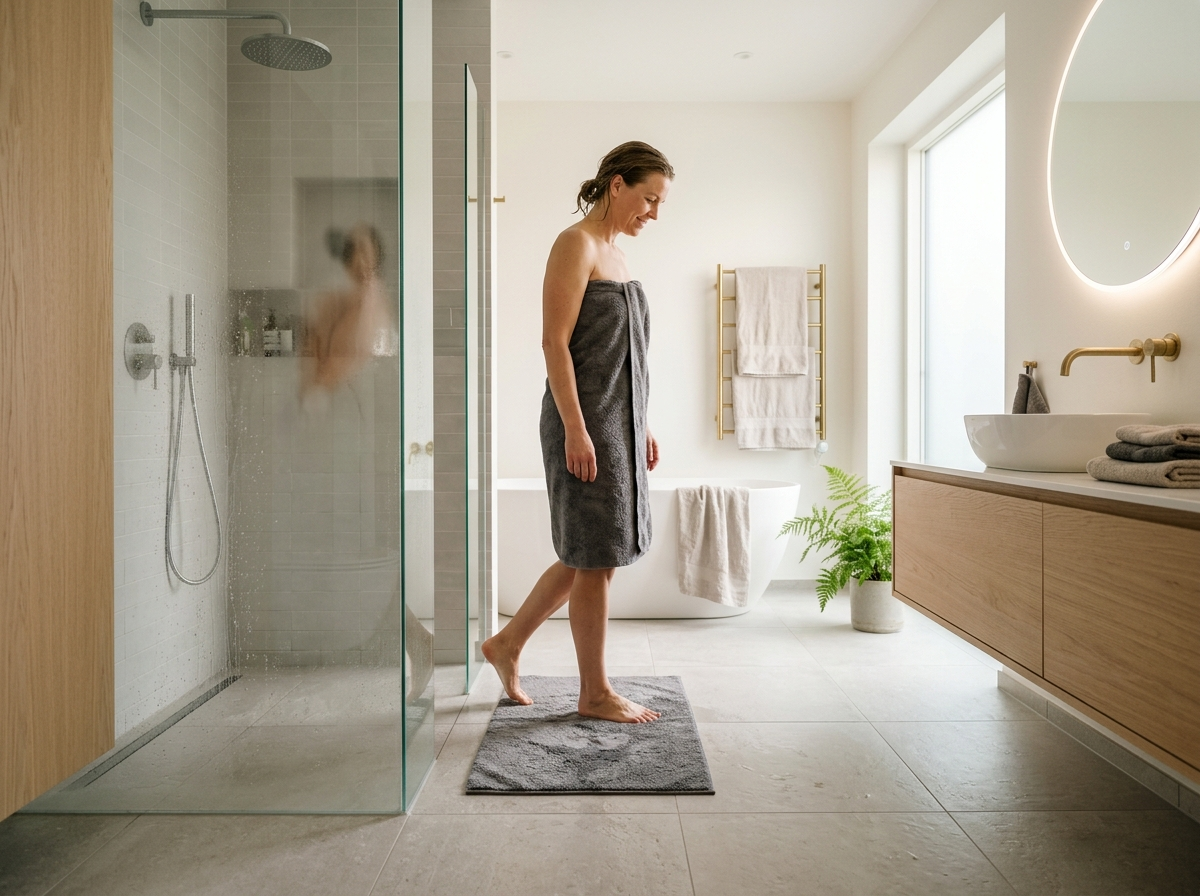
Stepping out of a warm shower onto a freezing cold floor is a jarring experience. However, underfloor heating is far more than a simple luxury; it is a strategic investment that keeps your bathroom mold-free, improves energy efficiency, and increases your property’s overall value.
Why Underfloor Heating is the Superior Choice for Bathrooms
Unlike traditional radiators that heat the air in localized pockets, underfloor heating uses radiant heat to distribute warmth evenly across the entire room. Because heat naturally rises, the system keeps your feet warm while maintaining a slightly cooler temperature at head level—mimicking the human body’s natural physiological comfort zone. Furthermore, because it doesn't rely on heavy air convection, it minimizes the circulation of dust and allergens, creating a healthier indoor environment.
Beyond the immediate comfort, underfloor heating provides several practical advantages:
- Effective Moisture Control: A heated floor speeds up the evaporation of water splashes and spills. This is a critical factor when planning a renovation to ensure the bathroom lasts for years, as it prevents moisture from lingering in grout lines and breeding mold.
- Enhanced Hygiene: Constant warmth inhibits bacterial growth on damp surfaces and makes the floor easier to keep sanitary.
- Design Flexibility: Because the system is completely hidden beneath the floor, there is no need for bulky radiators. This frees up wall space, giving you more flexibility when arranging fixtures and bathroom furniture.
Electric vs. Hydronic Underfloor Heating: Which Is Right for You?
Choosing between an electric or hydronic (water-based) system usually depends on whether you are working on a new build or a renovation project.
Electric Underfloor Heating: Ideal for Renovations
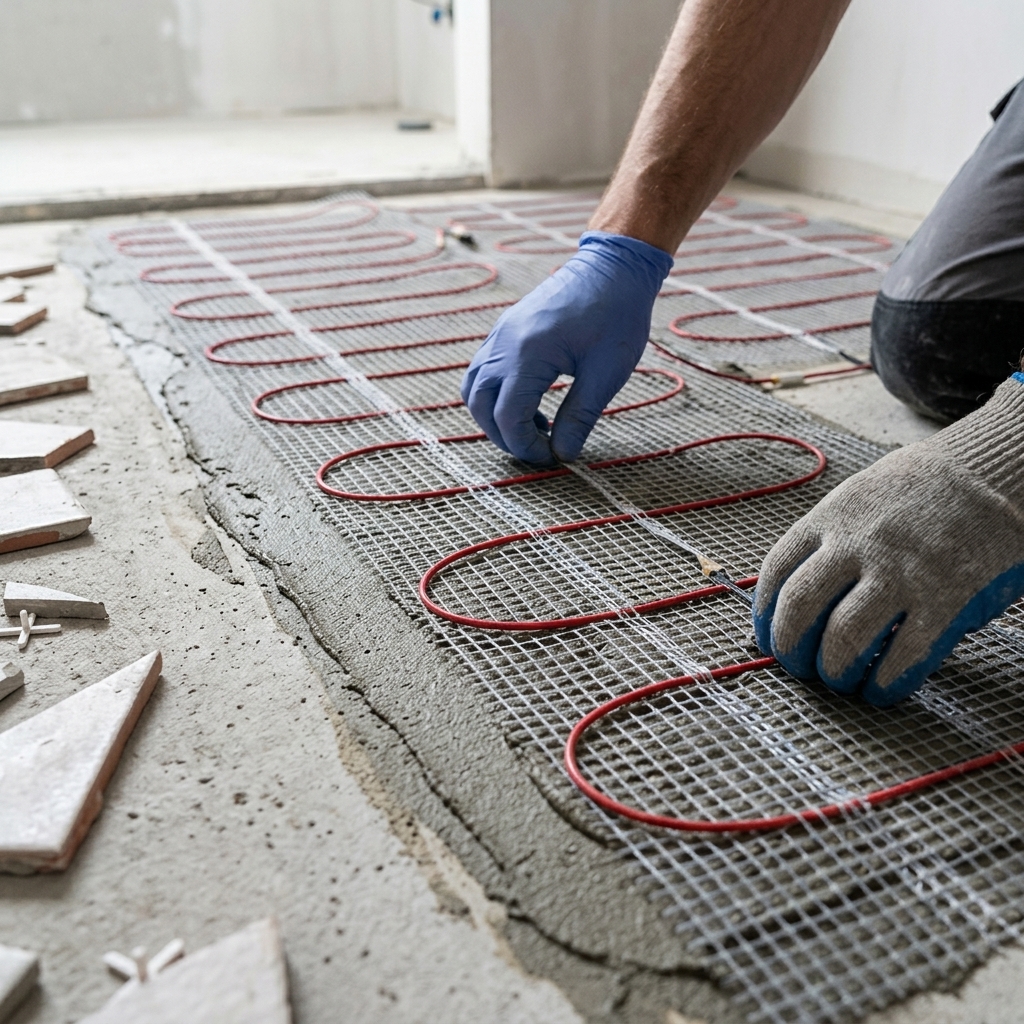
Electric systems—typically consisting of heating cables or ultra-thin mesh mats—are the most popular choice for retrofitting existing bathrooms. They are highly valued in apartment renovations because they add minimal height to the floor profile and can often be installed without extensive demolition. It is a fast, cost-effective solution for laying ceramic tiles directly into a thin layer of tile adhesive. Electric systems also boast rapid response times, usually reaching the desired temperature within 30 to 60 minutes.
Hydronic Underfloor Heating: Best for New Construction
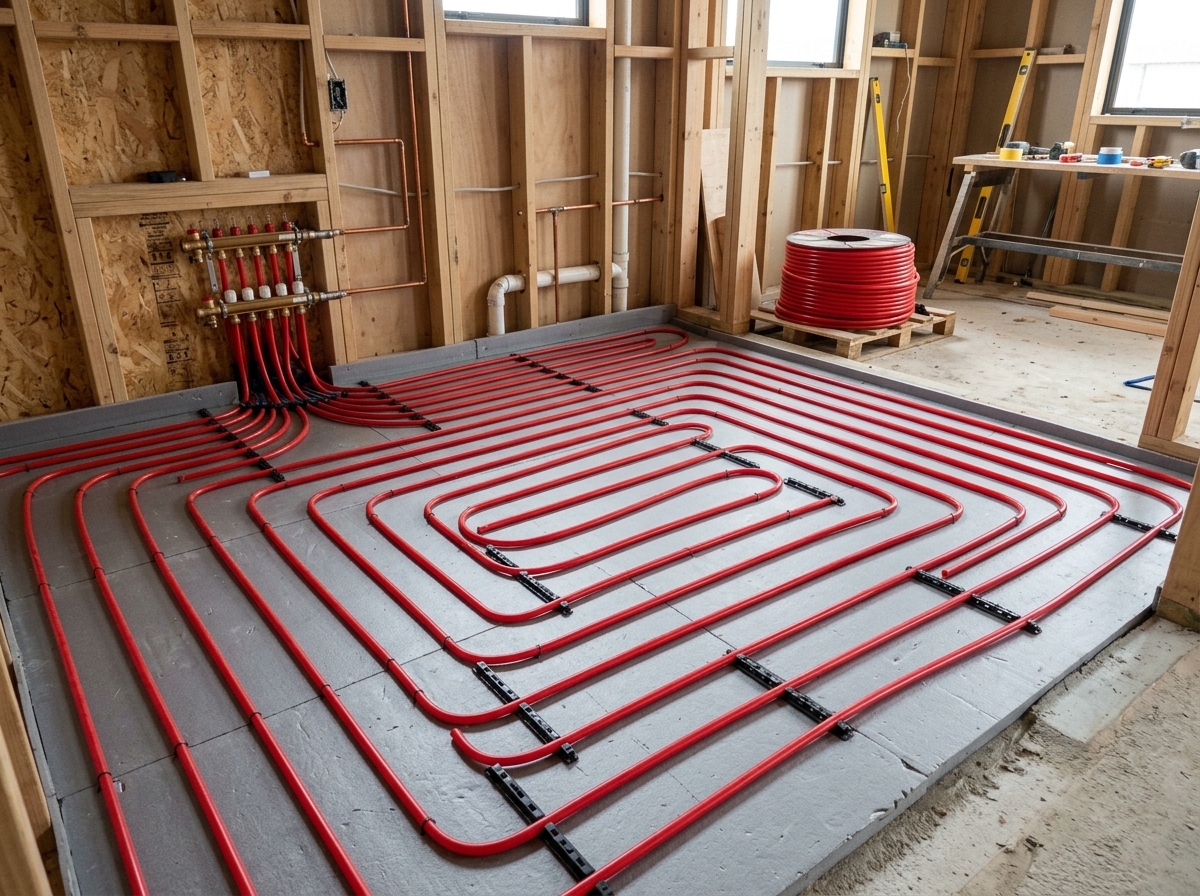
Hydronic systems use PEX piping embedded within a concrete screed, through which heated water circulates. This system must be connected to the building’s central heating source, such as a heat pump or boiler. While the initial installation cost and complexity are higher, hydronic heating offers significant long-term operational savings, particularly in larger homes. These systems integrate seamlessly with modern heating equipment to provide stable, consistent warmth across large footprints.
Energy Efficiency and Operating Costs
Radiant floor heating is estimated to be 15–30% more energy-efficient than traditional radiator or forced-air systems. These savings are achieved because underfloor heating allows you to lower the overall thermostat setting by a few degrees without sacrificing perceived comfort. While monthly costs for electric systems vary based on usage and local utility rates, the typical expenditure for an average bathroom ranges between €14 and €60 per month.
When budgeting for your project, remember that electric systems are more affordable upfront, while hydronic systems offer a better return through lower running costs over time. For a deeper look at project costs, see our guide on the cost of bathroom tiling.
Key Stages of a Safe Installation
Professional installation is vital to ensure the longevity and safety of your heating system. Since the bathroom is a high-moisture environment, all electrical components must adhere to strict safety standards, including mandatory RCD (residual current device) protection and proper grounding.
A standard installation involves the following phases:
- Substrate Preparation: The subfloor must be clean, level, and primed. Proper insulation is essential to ensure heat is directed upward into the room rather than lost into the building's foundation.
- Waterproofing: Applying a robust moisture barrier is a non-negotiable step in wet room construction to protect the building structure from water damage.
- Heating Element Layout: When laying electric cables, it is vital to avoid crossing them. Additionally, heating elements should not be placed directly under permanent floor-mounted fixtures to prevent localized overheating.
- Sensor and Thermostat Setup: Always install a thermostat equipped with a floor sensor. This allows the system to monitor the actual temperature of the floor surface rather than just the ambient air temperature.
- Tiling and Finishing: Use a flexible tile adhesive specifically designed for use with underfloor heating. For smaller bathrooms, Arctic Grey 10x10 ceramic floor tiles are an excellent choice due to their thermal conductivity. For a more expansive, modern aesthetic, Root Ash 60x120 polished tiles offer a premium look and excellent heat retention.
For a detailed technical breakdown, consult our ultimate guide to installing and maintaining ceramic tiles.
Professional Tips for Best Results
To maximize efficiency, we recommend using programmable "smart" thermostats. These allow you to schedule heating cycles around your daily routine, ensuring the floor is warm when you wake up while saving energy when the room isn't in use. It is also important to avoid covering the heated floor with thick rugs or furniture without legs, as these act as insulators and "choke" the heat distribution.
Ultimately, the success of your project hinges on the correct selection of bathroom materials. Natural stone and ceramics are the most effective conductors, storing thermal energy and maintaining a stable temperature long after the system has cycled off. Whether you are building a new sanctuary or refreshing an old one, explore our extensive range of products online or visit the Vipex showroom to find the ideal heating solution for your home.