


When Is the Right Time to Replace Your Old Water Heater?
Is your water heater a quiet, reliable workhorse or an aging appliance waiting to cause an unexpected leak? While the average electric storage water heater lasts between 10 and 15 years, both its energy efficiency and operational safety often decline much sooner.
Lifespan and Critical Milestones
A water heater’s lifespan depends heavily on its design and daily workload. In residential settings, standard electric water heaters typically last 10 to 15 years, whereas commercial units operating under heavy demand may need replacement after 8 to 12 years. Gas water heaters generally have an even shorter service life, averaging 8 to 12 years in homes and 5 to 8 years in commercial facilities.
If your unit is nearing or past the ten-year mark, a proactive replacement is well worth considering. Upgrading an aging tank to a modern, high-efficiency model can yield substantial savings on your electricity bills. For commercial properties, planning ahead is particularly vital—an unexpected leak or sudden failure translates directly into costly downtime and property damage. It is also an ideal time to assess whether your current water heater size and placement still align with your household's actual hot water demands.
Warning Signs of an Impending Breakdown
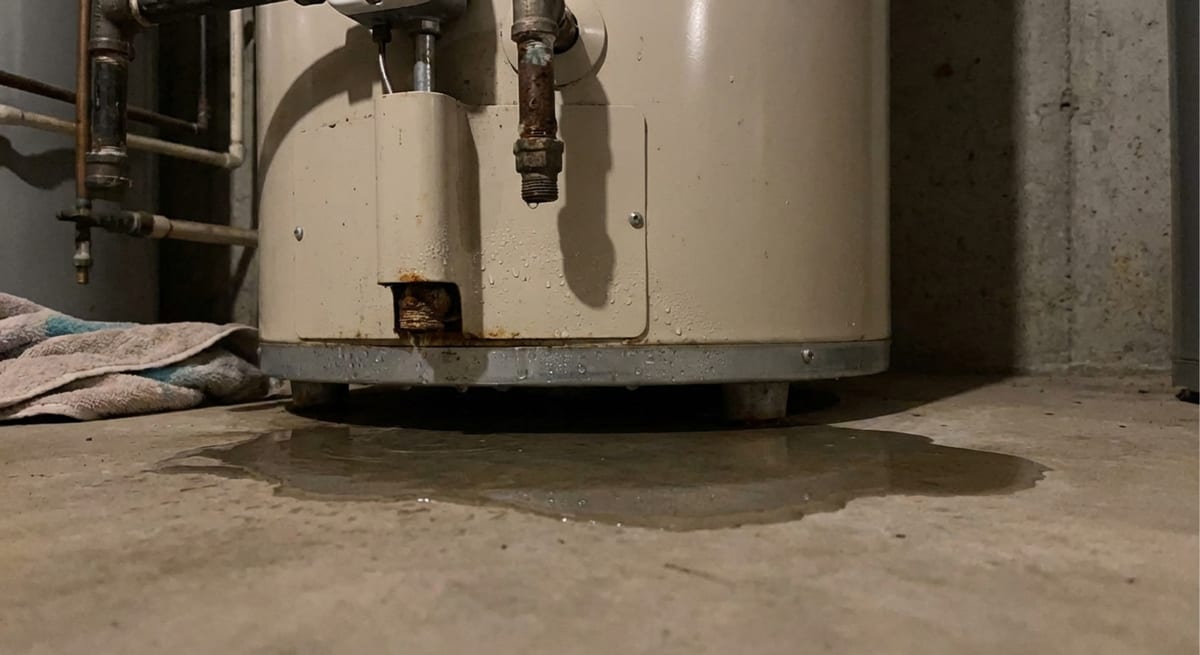
Before a water heater fails completely, it usually exhibits clear warning signs. The most urgent red flag is visible moisture or pooling water around the base. Water leaking from the tank almost always points to internal corrosion—an irreparable issue that calls for an immediate replacement. Unusual sounds during heating cycles are another telltale sign: popping, rumbling, or knocking noises indicate significant sediment and limescale buildup, which restricts heat transfer and accelerates tank fatigue.
Changes in water quality should never be ignored. If hot water appears rusty or develops an unpleasant metallic odor, the sacrificial anode rod has likely deteriorated, leaving the inner tank vulnerable to rust. Inconsistent water temperatures, slow recovery times, or showers running cold prematurely are also signs of failing heating elements or heavy scaling. While routine water heater maintenance and cleaning can extend an appliance's operational life, severe structural wear and recurring component failures warrant a full replacement.
Energy Efficiency and Smart Technology as Cost-Saving Measures
Replacing an outdated water heater is more than a routine expense—it is an investment that pays for itself over time. Modern hybrid units, such as the heat-pump-powered Ariston Lydos Hybrid 100, deliver up to 50% greater energy savings compared to standard Class B electric models. This level of efficiency allows the unit to quickly offset its purchase price through lower electricity bills.
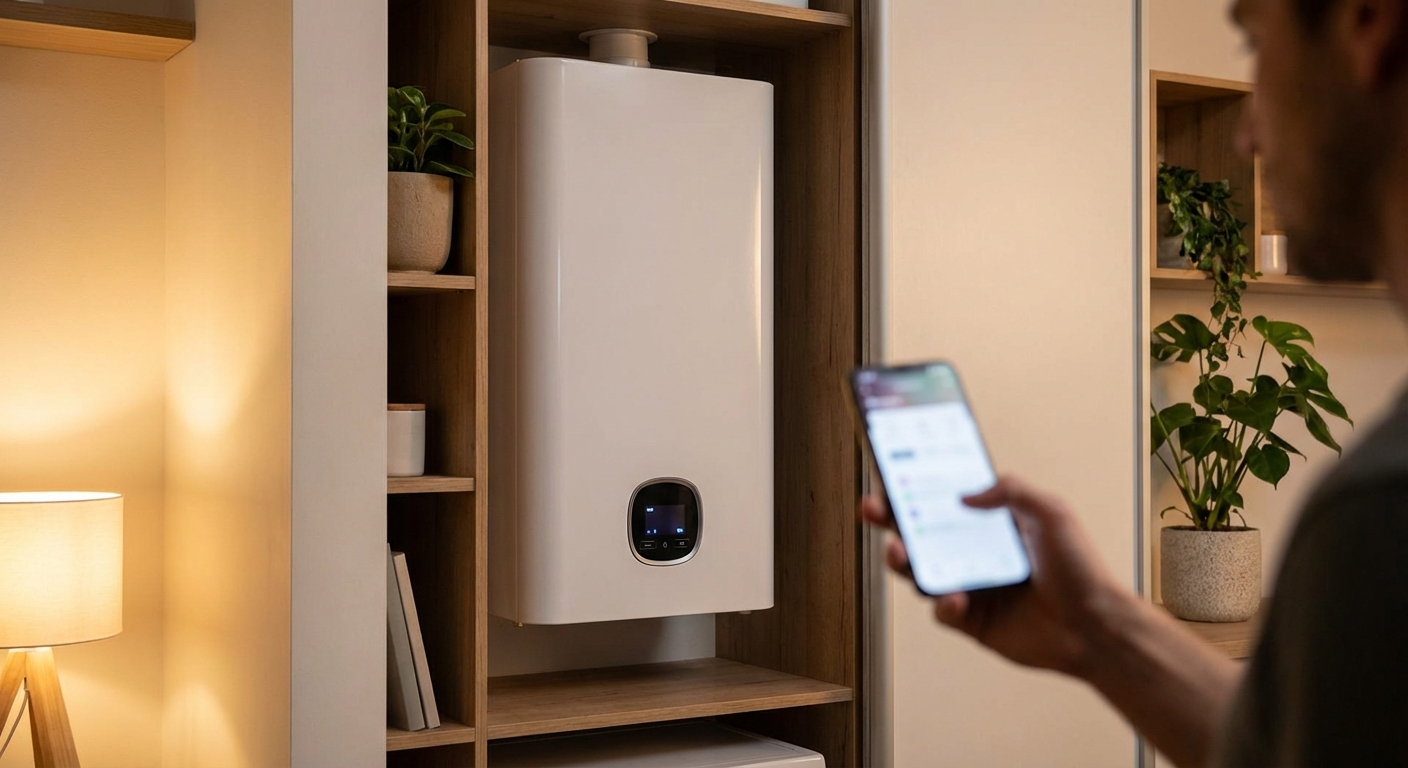
Next-generation slim models, including the Ariston Velis Pro 100 and Ariston Velis Pro 80, incorporate smart technology that learns your daily routines. Featuring ECO EVO programming, these units heat water specifically for the times you actually need it, cutting energy use by up to 14%. Upgrades like these make a substantial contribution to the overall energy efficiency of your home heating system.
When to Repair vs. When to Invest in a New Unit
A straightforward rule of thumb can help determine your next step: if repair costs are mounting due to recurring breakdowns, or if the unit is more than ten years old, replacing it is almost always the more cost-effective choice. Minor, isolated issues—such as a worn heating element or a faulty thermostat in a sound, rust-free tank—can often be repaired. When planning a replacement, review the most common mistakes when choosing a water heater and learn how to select the right water heater tailored to your specific requirements.
An aging, inefficient water heater wastes power and leaves your property exposed to sudden leaks. Upgrading to dependable, modern Ariston water heaters ensures long-term reliability, enhanced safety, and noticeable reductions in operating costs.
Explore the complete range of water heaters at Vipex to find the ideal energy-efficient solution for your home or business today.