


Rako, Apavisa, Grespania, Alfalux and Tagina: meet our tile manufacturers
Most buyers look at two things when choosing tile: the picture and the price per square metre. The name of the factory usually goes unnoticed. Yet that is what decides whether the tile survives a garage floor under winter tyres or goes dull in the hallway within three years.
Vipex stocks tile from factories across Europe: the Czech Republic, Spain, Italy, Turkey and beyond. Some of these names are familiar, others are not. None of them is there by accident.
Let us clear up a common misconception first. A lesser-known factory does not mean a lesser tile. The European ceramics industry is full of specialised producers, some of them world leaders in their own narrow field. You just never see their name in a television advert.
This guide introduces our manufacturers: who they are, what they are known for, and which room their tile suits best. We look in most depth at the five factories that form the backbone of our range: Rako, Apavisa, Grespania, Alfalux and Tagina.
How our range is put together
Every factory has a role in the range, and none of it is accidental.
Czech Rako is the technical core: durable, sensibly priced, available in a wide spread of colours and formats. This is where you go for tile that simply has to last for years.
Spain gives the range its breadth. Spanish factories cover everything from an affordable wall tile to a three-metre facade panel, and their collections are refreshed quickly.
Italy comes in short runs, because these are special series. Italian tile usually goes where it will be looked at: on a feature wall or in a showpiece bathroom. Not across a hundred square metres of garage floor.
Turkey has caught up technically over the past decade and offers large formats at a noticeably lower price.
The range also includes glass mosaic and natural stone, plus our own brand Gils.
In the shop you can filter by manufacturer in the ceramic tile category, using the left-hand menu.
Rako, the technical backbone of the range
Rako is no newcomer. Production in Rakovník began in 1883 and the factory today belongs to the Austrian group Lasselsberger. Rako tile has been used in Prague’s 1912 Art Nouveau Municipal House and in Mies van der Rohe’s celebrated Villa Tugendhat. That is not marketing copy, it is the factory’s actual history.
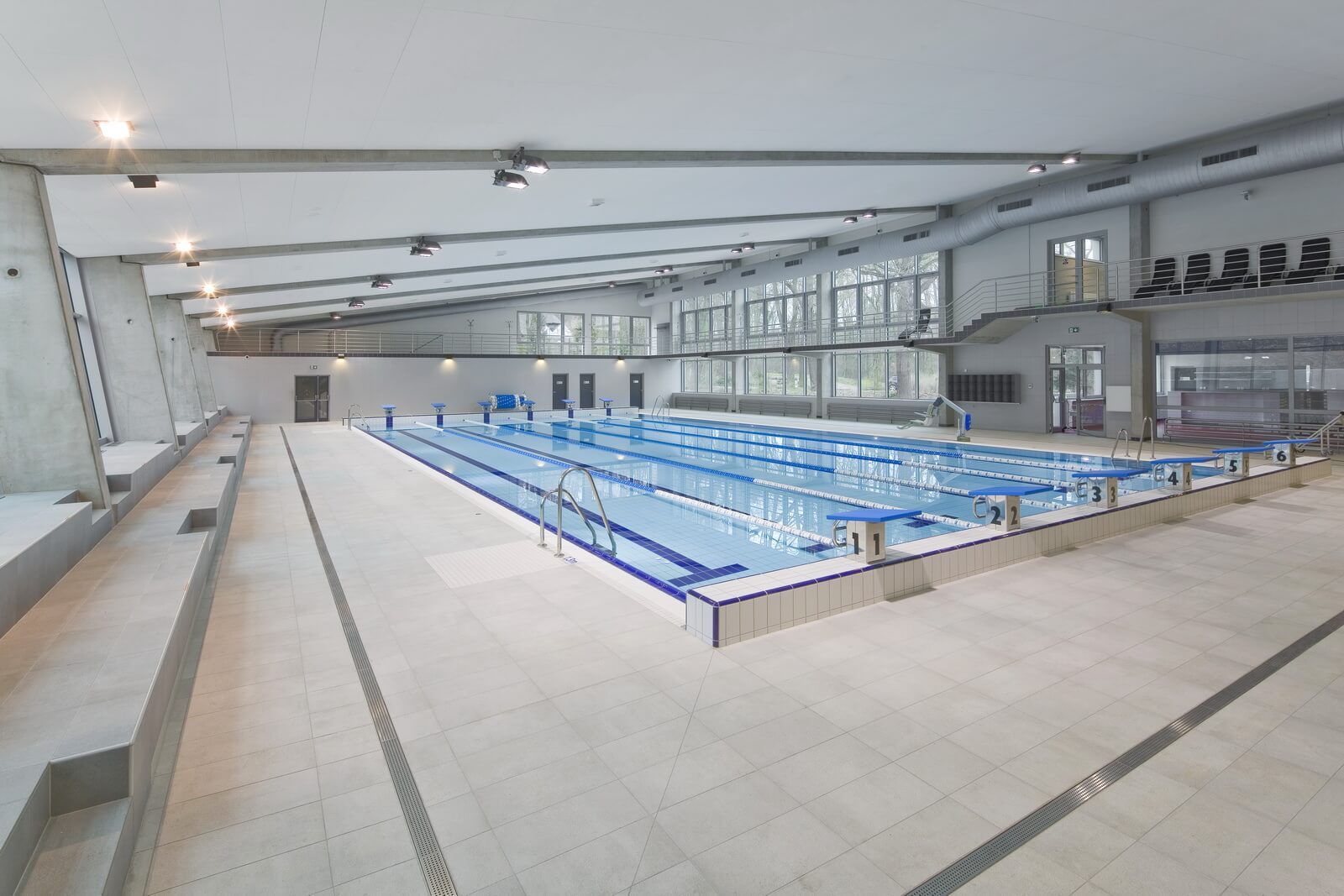
Today’s Rako is above all an engineering product. The group makes a separate line called RAKO OBJECT for public and heavy-duty buildings: airports, sports complexes, hospitals, schools and swimming pools. The same uncompromising quality control applies to the series aimed at private buyers.
Rako is also the broadest single producer in our range. No other factory offers this spread of formats, colours and surface types under one roof. The better-known series:
- Betonico, a concrete look, for indoor and outdoor use
- Block, an even matt surface, including large formats
- Taurus and Taurus Granit, the classic technical floor tile, including step tiles in slip classes R10 and R11
- Extra, Rako VALS, Color One, Color Two, Retro and Quarzit
What the PEI number actually tells you
One widely repeated claim needs correcting here. Rako tile is often described as carrying “PEI class 4 to 5”. It sounds good, but for the strongest series it is misleading.
Taurus, Taurus Granit, Betonico and Block are unglazed, fully vitrified tiles. They have no PEI class at all. And that is not a shortcoming.
PEI class measures exactly one thing: how long the glaze on a tile lasts. If there is no glaze and the tile is the same material all the way through, PEI has nothing to measure. Wear cannot cut through the glaze, because there is no separate surface layer. Tiles like these are rated by deep abrasion instead.
The practical conclusion: if you are choosing a floor tile for a hallway, a staircase or a workshop, then “no PEI class” on an unglazed porcelain tile is a mark of strength, not a gap. The PEI number matters when the tile is glazed.
Where Rako fits: hallway, boiler room, garage, staircase, terrace, workshop, commercial space, and any project where durability outweighs design nuance.
Spain, breadth and design
If Rako is our technical backbone, the Spanish factories give the range its breadth and its fashion sense.
Apavisa, the architect’s choice
Apavisa Porcelánico is based in Sant Joan de Moro in the province of Castellón and belongs to the Spanish group Grupo Aparici. The factory sells in more than a hundred countries and specialises in technical porcelain and strong design.
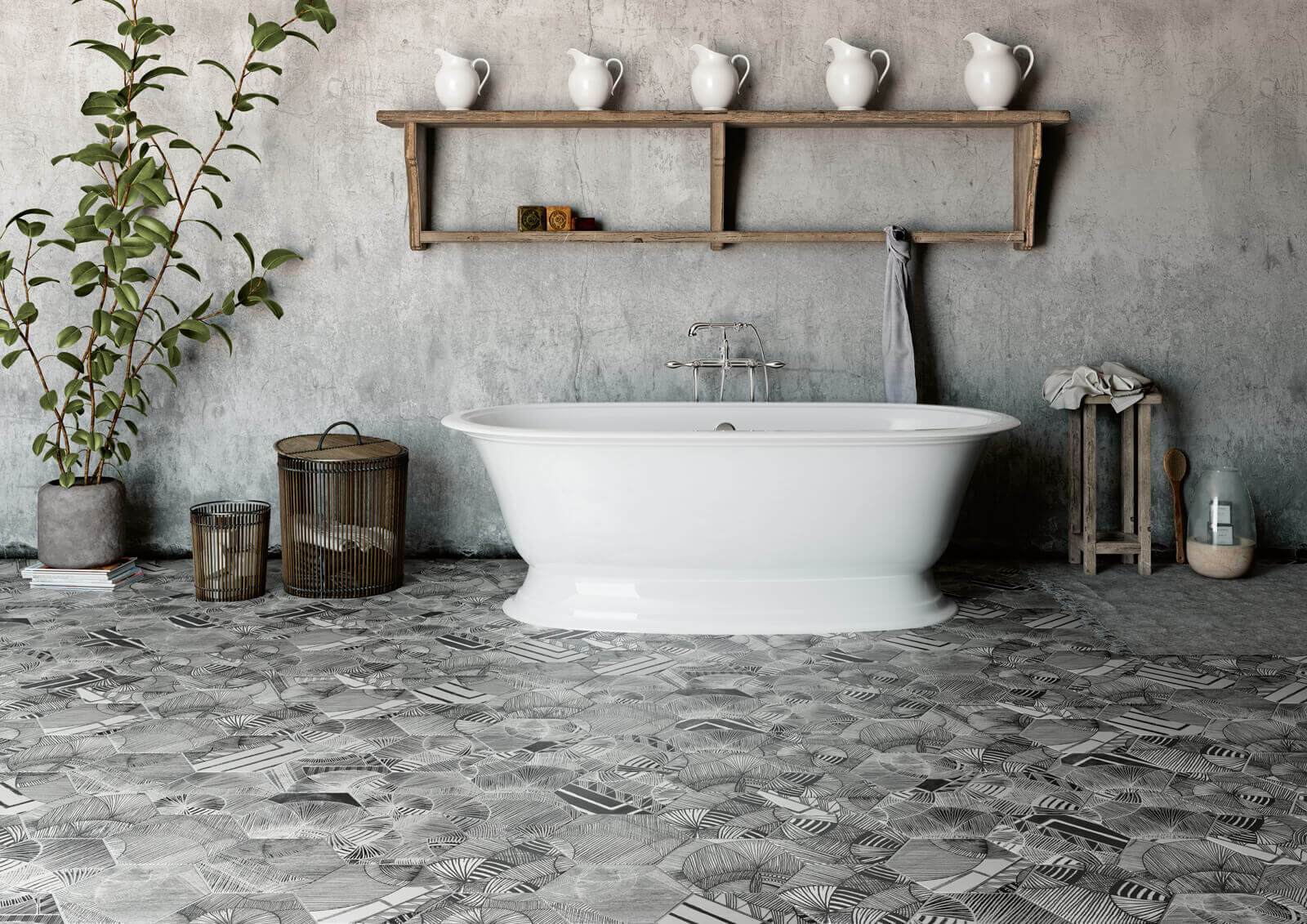
If you are after a convincing rusted-metal effect, an unusual relief or a specially treated concrete surface, Apavisa is often where architects and interior designers end up. The series names speak for themselves: Rust and Corten (rust surfaces), Lamiere (metal), Onice (onyx), Reggia, South, Aquarela and Noir Velvet.
Two technical points are worth knowing. First, the formats: Apavisa goes up to 120x260 cm, which means an entire wall with practically no grout lines. Second, the range includes 20 mm outdoor slabs that can be laid straight onto gravel or onto pedestals on a terrace.
Grespania, technology and the large slab
Grespania is one of the most technologically advanced factories in Spain. Three production units make porcelain floor tile, white-body wall tile and large formats.
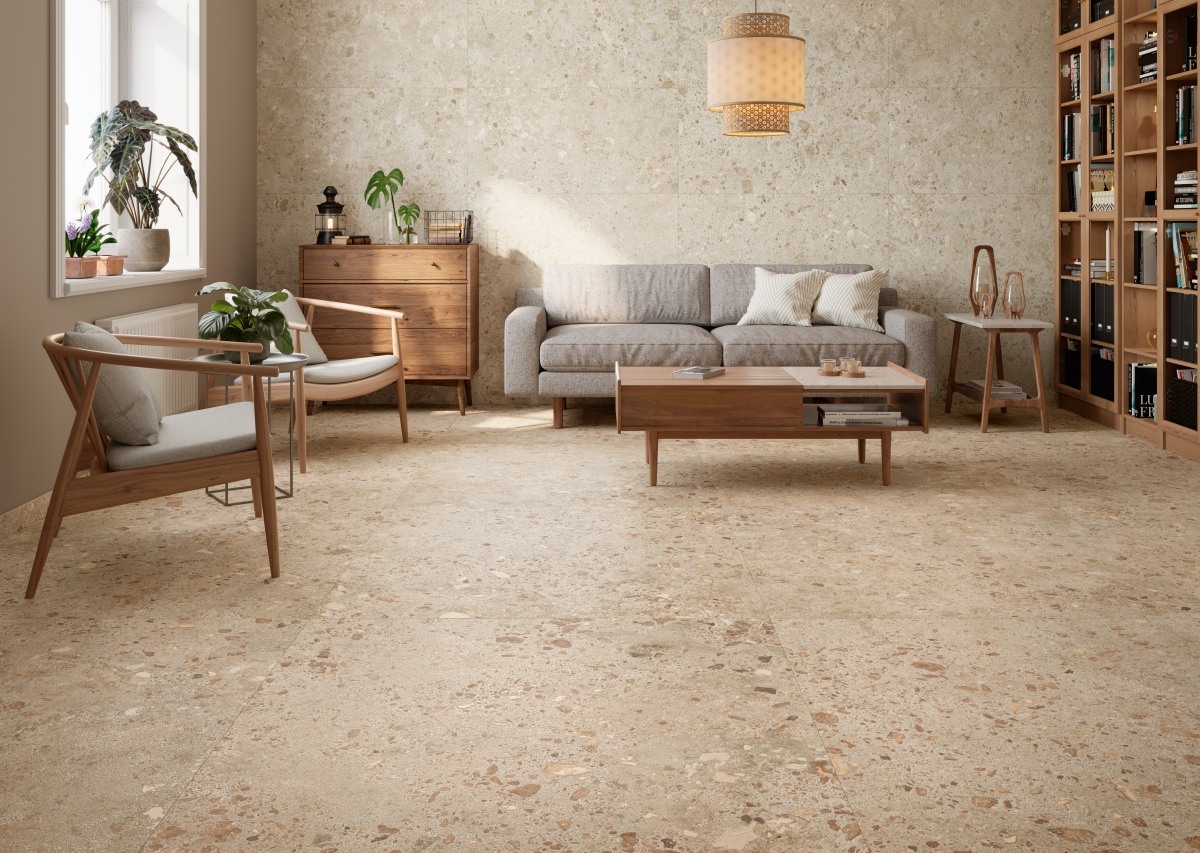
The most interesting of these is Coverlam, an ultra-thin large slab that few factories in the world can produce at all. Our range includes Coverlam at 1000 x 3000 x 5.6 mm: three metres long and under six millimetres thick. Slabs like this are used on facades, kitchen worktops and furniture surfaces, in places where an ordinary tile would either be too heavy or need too many joints.
Also worth a look are Artic polished porcelain, the Marmorea marble pattern and Dover wall tiles.
The other Spanish factories
- Porcelanite Dos is one of our largest producers. Series Rapolano, Tamesis, Baltimore, Palazzo and Helsinki. Strong in polished large formats.
- Gayafores: Pandora, Saona, Grace, Tessela and Delice. Strong in wood patterns and decorative wall tiles.
- La Platera: Millstone, Caprice, Mallorca, Eclat and Kore. Stone patterns in large formats.
- TAU Ceramica: Metal, Metal Steel, Mainstone and Limestone, with lappato and luxglass finishes.
- Also Cristacer, Veneto Ceramicas, Arcana, Da Vinci, ITT Ceramic, Navarti, Mayolica, Baldocer, Monopole, Vilar Albaro, Azuvi and Keratile.
Italy, design in short runs
The Italian lines in our range are short, and that is deliberate. These are special series: surfaces that give a room its character.
Alfalux, Italian design without the luxury-brand premium
Alfalux was born from the merger of two historic brands, Alfa and Lux. The factory sits in the Sassuolo district, the heart of the Italian ceramics industry, and belongs through Nuova Riwal to the respected group Casalgrande Padana S.p.A. (since 2007).
In practice that means this: you get top-tier Italian design and quality control, without the premium charged by the big-city luxury brands. Our range includes the Canova Arni marble look (matt, polished and mosaic) and Stonequartz in slip class R10.
Tagina, art ceramics
Tagina was founded in 1973 in Gualdo Tadino, Umbria. The name itself comes from the ancient name of the town. This factory does not make dull mass-market goods. Tagina’s approach is artistic and rich, focused on surface texture and refined finishes.
Our Tagina selection is characteristic: Mediterranea Amelia 20x20 with dozens of different decors in a single pack, and Roma Florentia and Roma Efeso with a Velvet finish and rectified edges.
You will not find Tagina in every other Estonian home, and that is rather the point.
The other Italian factories
Ragno, Cercom, Terratinta, Ermes Aurelia, Exe, Cir, Fratom Ceramiche and Cedir.
Turkey, large formats for less
The Turkish ceramics industry has caught up technically over the past decade, and it shows in our range. If you want a modern 60x120 polished surface but the Spanish or Italian price is out of reach, this is where it comes from.
- Bien: series Root, Arcides, Tundra, Polaris and Alpstone. Root 60x120 is only 7 mm thick, which makes installation easier.
- Seramiksan: Black Star, Brugge, Metro and Marsilya. Strong in glossy ink-jet large formats.
- Also Graniser and Seranit.
An honest recommendation: check the same things on a Turkish tile that you would on any other. Look at the slip class (R rating), the water absorption and whether the tile is intended for floors or walls. A good Turkish tile is a good tile. Bad tile is sold in every country.
Mosaic, natural stone and our own brand
Not everything is ceramic tile.
- Vidrepur (Spain): glass mosaic, including hexagonal HEX shapes. Series Elite and Supreme.
- Gils is our own brand: glass mosaic and core-range products.
- Isha (India): natural stone tiles for interior finishing.
- Akrolithos (Greece): natural stone.
- Also Cerrol (Poland), Huajun and Dvarčionių (Lithuania).
Our favourites
Eight products that, to our minds, show each factory at its strongest.
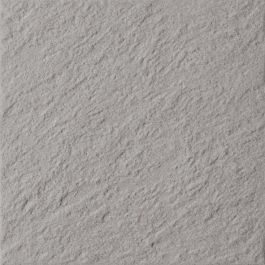
1. Rako Taurus 76SR7 Nordic 30x30, embossed (R11/B)
An unglazed, fully vitrified tile in slip class R11, suitable indoors and out. The matching step tile from the same series is also available, so stairs and floor come from one range. This is exactly the product behind the PEI discussion above.
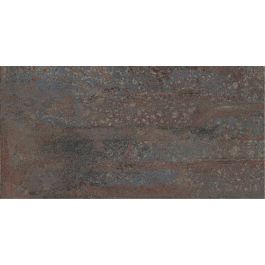
2. Apavisa Rust Titanium Natural 50x100
A rusted-metal effect in a large format. The same series is available in smaller and larger sizes, so wall and floor can be matched.
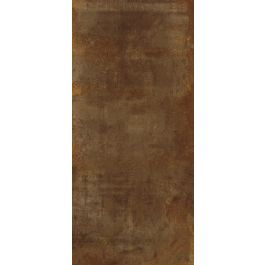
3. Grespania Coverlam Lava Corten 1000x3000x5.6 mm
The technical summit of our range. A three-metre slab under six millimetres thick, for a kitchen worktop or wall panel with practically no joints.
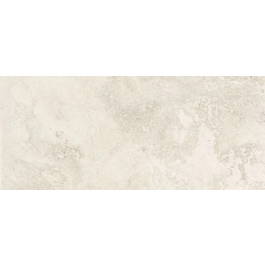
4. Porcelanite Dos Rapolano 3301 white 63x146, 7 mm
A large polished format from a producer worth knowing better.
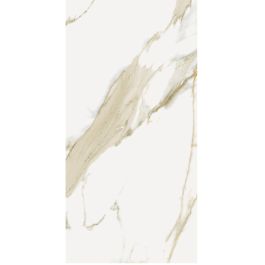
5. Alfalux Canova Arni 60x120 Lucido (polished)
An Italian marble look in a large format, without the luxury-brand mark-up.
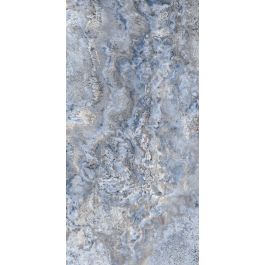
6. Tagina Roma Florentia 60x120 Velvet, rectified
A Velvet finish and a rectified edge: a craftsman’s surface rather than mass production.
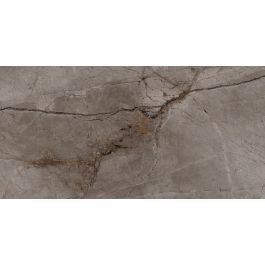
7. Bien Root 60x120 Ash, polished, 7 mm
The Turkish factory’s strongest argument in a single product: a large polished surface for considerably less.
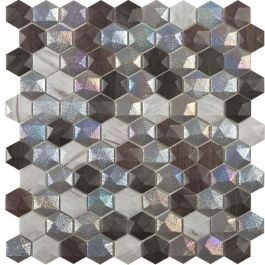
8. Vidrepur Elite Forest Mix HEX
Hexagonal glass mosaic. The most popular way to give a bathroom one feature surface without overplaying the whole room.
The range changes constantly. If a favourite happens to be out of stock, we will help you find something similar in the showroom.
Frequently asked questions
Does an unfamiliar factory mean a worse tile?
No. The European ceramics industry has many specialised producers who lead their narrow field but do no consumer marketing. Judge by the technical figures: slip class, water absorption, frost resistance and intended use. These are on the product page regardless of how well known the name is.
What is the difference between PEI and slip class?
PEI measures the wear resistance of the glaze, that is, how long the surface stays free of scratches. The R rating (R9 to R13) measures slip resistance, that is, how safe the tile is when wet. In a bathroom or on a terrace the R rating matters more. In a living room or corridor, PEI matters. Unglazed fully vitrified tiles have no PEI at all, because there is no glaze layer.
Is a Turkish tile worse than a Spanish one?
Not automatically. Turkish factories have caught up technically and offer large formats considerably cheaper. The difference is more in design and in the depth of each series: Spanish and Italian factories refresh their collections faster. Compare the actual figures, not the countries.
Why do the Italian producers have so few products?
Because these are special series, not a core range. Italian tile usually goes on a feature wall or into a showpiece room. If you need an even floor across a large area, Rako or one of the Spanish factories is the more sensible choice.
How do I choose tile for outdoor use?
Three things: a slip class of at least R11, frost resistance, meaning it tolerates freeze and thaw cycles, and low water absorption. For laying on gravel or pedestals on a terrace, look at 20 mm slabs, which are available from Apavisa and several other producers.
Find the right tile at Vipex
The whole range is together in the ceramic tile category, where you can filter by manufacturer, format, intended use and finish. If the technical side feels complicated, come to the Vipex showroom. We will help you settle what class your room actually needs, and show you the tiles in natural light.