


When Is It Time to Replace Your Shower Mixer?
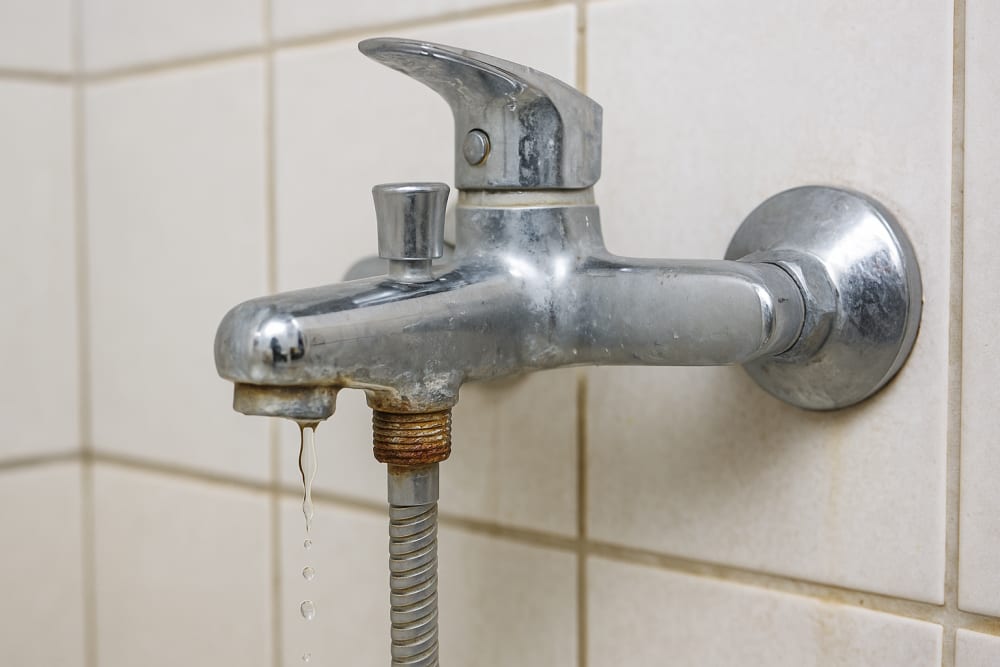
Has your morning shower turned into a frustrating battle with fluctuating water temperatures or an incessant drip? Early warning signs of plumbing wear and tear are easy to overlook—until hidden water damage catches you off guard. Here is a closer look at when a simple repair will do the trick and when it makes more sense to replace your shower mixer altogether.
Key Warning Signs: From Leaks to Temperature Fluctuations
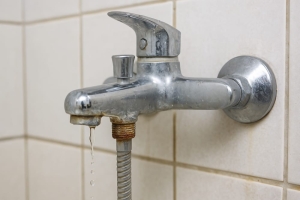
A persistent leak is one of the earliest and most telling indicators of trouble. If the mixer continues to drip after being shut off, or if you spot moisture pooling around the fittings or control lever, worn-out seals or a failing cartridge are usually to blame. A steadily dripping fixture can waste upwards of 11,000 litres of water a year, quietly inflating utility bills and risking mould growth or structural damage inside the wall. If swapping out the cartridge or replacing the washers does not resolve the issue, the mixer body or internal valve housing may be cracked beyond repair.
Erratic water temperature is another critical red flag. Sudden swings between freezing cold and scalding hot typically point to a deteriorating thermostatic element or a worn pressure-balancing mechanism. Beyond the daily frustration, this creates a genuine scalding risk—particularly in homes with young children or elderly family members. Stiff or noisy operation is another clear symptom: if turning the handle requires real effort or produces an audible squeak or grinding sensation, the internal components have likely reached the end of their service life.
The Impact of Limescale and Hard Water
Owing to high mineral concentrations in groundwater, hard water is particularly common across Estonia. Over time, limescale accumulates inside internal waterways and around moving components, restricting water flow and degrading rubber seals, which substantially cuts short the unit's lifespan.
Common signs of limescale damage include:
- A noticeable drop in water pressure that persists even after descaling the aerator or showerhead.
- Stubborn mineral deposits around the mixer body and joints that standard bathroom cleaners can no longer remove.
- Stiff, gritty, or squeaking movement when turning the lever or temperature dial.
- Unreliable temperature control, caused by mineral buildup preventing the thermostatic cartridge from reacting smoothly.
When to Repair vs. When to Replace
In typical residential settings, well-made faucets and mixers last between 10 and 15 years. In high-traffic commercial environments and hotels, heavy use can reduce that lifespan to 3 to 7 years. Once a mixer passes the decade mark and begins developing multiple faults, a complete replacement is almost always more economical than paying for recurring repairs.
For minor issues on a relatively young fixture, servicing should be your first port of call. Provided the main casting is intact, genuine faucet spare parts—such as fresh O-rings, a clean aerator, or a replacement cartridge—can quickly restore proper function. However, if the housing shows hairline cracks, the protective plating has started to flake and corrode, or water is seeping from behind the wall mounts, replacing the entire fixture is the only safe and permanent fix.
Choosing a New Shower Mixer: Comfort and Safety
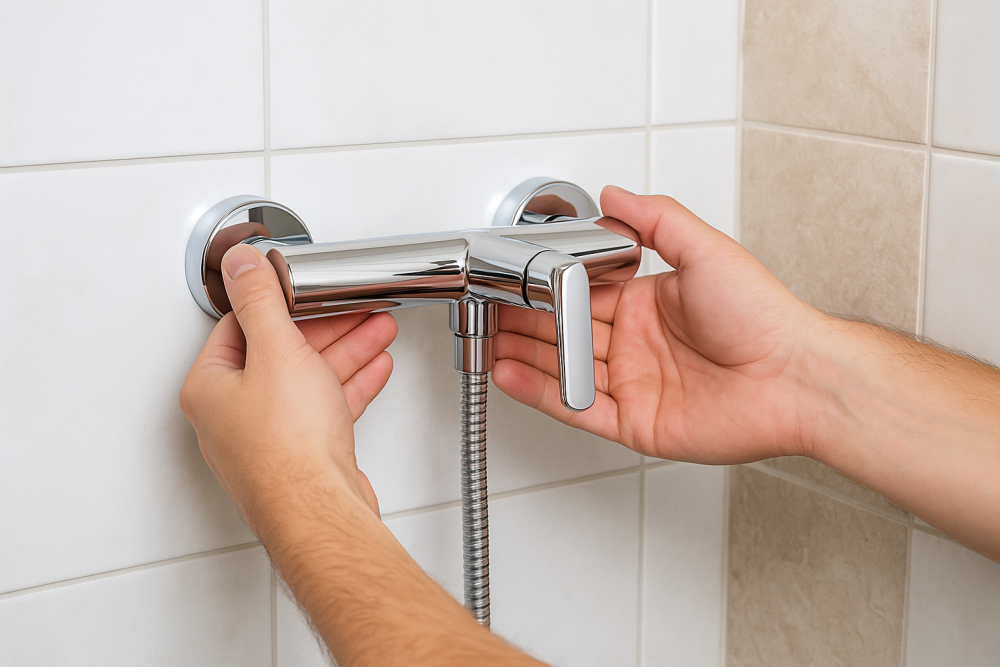
When shopping for a replacement, modern fixtures offer significant upgrades in safety, water efficiency, and styling. Today’s high-grade shower mixers deliver steady flow rates and come in versatile finishes designed to complement both minimalist and traditional interiors.
Key factors to consider when choosing a new mixer:
- Body material: Solid brass and stainless steel provide the best protection against corrosion, wear, and water pressure spikes.
- Installation type: Decide between a surface-mounted exposed model, such as the dependable Deante Alpinia wall-mounted shower mixer, or a clean, minimalist concealed (in-wall) installation.
- Complete packages: It is often most convenient to choose coordinated shower sets that package the mixer together with a matching hand shower and hose.
- Finish and style: Classic polished chrome remains a timeless favourite, but brushed steel, matte black, and warm bronze tones are increasingly popular contemporary alternatives.
Thermostatic Mixers and Water Efficiency
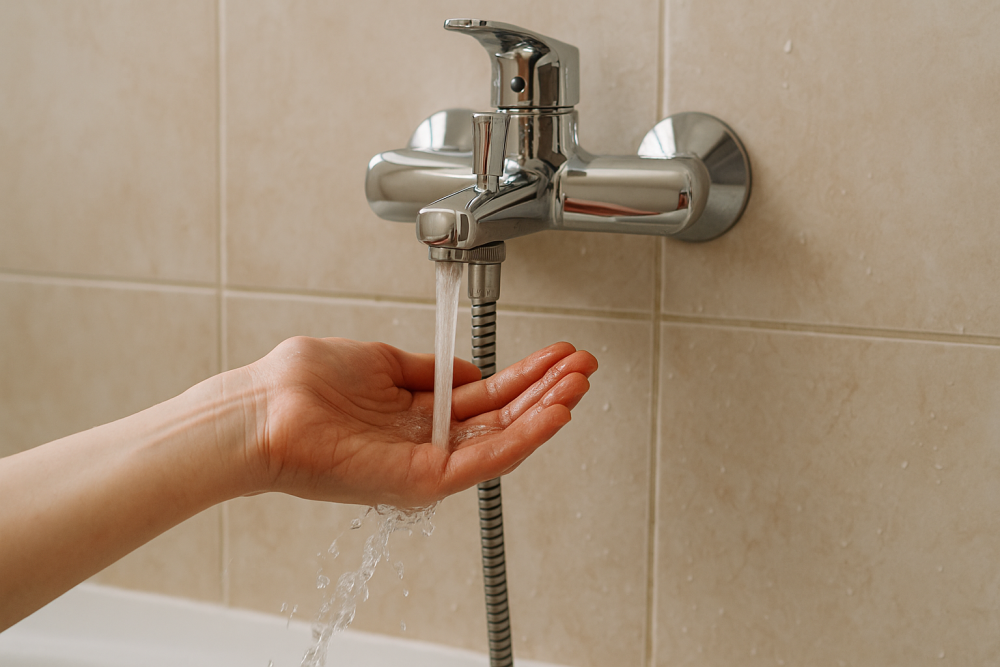
A thermostatic mixer compensates for pressure and temperature fluctuations in a fraction of a second, keeping the water at your chosen temperature throughout your shower. This puts an end to unpleasant temperature shocks whenever someone else runs a tap or flushes a toilet in the house. Units such as the Deante Therm thermostatic shower mixer combine this steady performance with an integrated safety stop, preventing the dial from accidentally being turned past safe heat thresholds.
For a deeper dive into the available configurations, take a look at our guide on how to choose a shower system tailored to your home's plumbing requirements and your family's daily needs.
Replacing an aging shower mixer before it fails completely protects your home from costly water leaks while restoring comfort and convenience to your daily routine. If your current unit is showing its age, browse the selection in the Vipex online store or stop by our showroom, where our specialists can help you find a durable, stylish solution for your bathroom.