


How to Choose Wallpaper: A Guide to Materials and Room Selection
Did you know that installing the wrong wallpaper in a high-traffic hallway or humid bathroom can ruin your walls in just a few months? Choosing the right wallcovering involves far more than picking an eye-catching pattern. It requires assessing the underlying wall surface, ambient lighting, everyday wear and tear, and the material's technical performance.
Comparing Wallpaper Materials: Paper, Non-Woven, Vinyl, and Textile
The material you choose directly impacts ease of installation, overall longevity, and resistance to moisture and abrasion.
- Paper wallpaper: Crafted from natural cellulose, paper is highly breathable and vapor-permeable. However, it is relatively delicate, prone to tearing during hanging, and cannot tolerate moisture or regular scrubbing. It works best in low-traffic, dry rooms.
- Non-woven wallpaper: Made from a blend of natural cellulose and synthetic fibers, non-woven wallcoverings offer exceptional tensile strength and dimensional stability. They will not stretch when wet or shrink as they dry. Paste is applied directly to the wall rather than the paper, making installation quick, clean, and straightforward.
- Vinyl wallpaper: Featuring a protective PVC coating over a paper or non-woven backing, vinyl is water-resistant, hard-wearing, and fully washable. Because the non-porous vinyl layer seals the surface, the wall underneath must be completely dry and free of mold before installation.
- Textile and grasscloth wallcoverings: Woven from natural fibers or fine fabrics, these wallcoverings bring rich, tactile warmth and dimension to a space. Because they readily absorb ambient humidity and odors, they are best reserved for dry living areas and reception rooms with stable indoor climates.
Choosing Wallpaper by Room
Every area of the home comes with unique functional demands that determine the level of surface durability and moisture resistance you need.
Living Rooms and Bedrooms
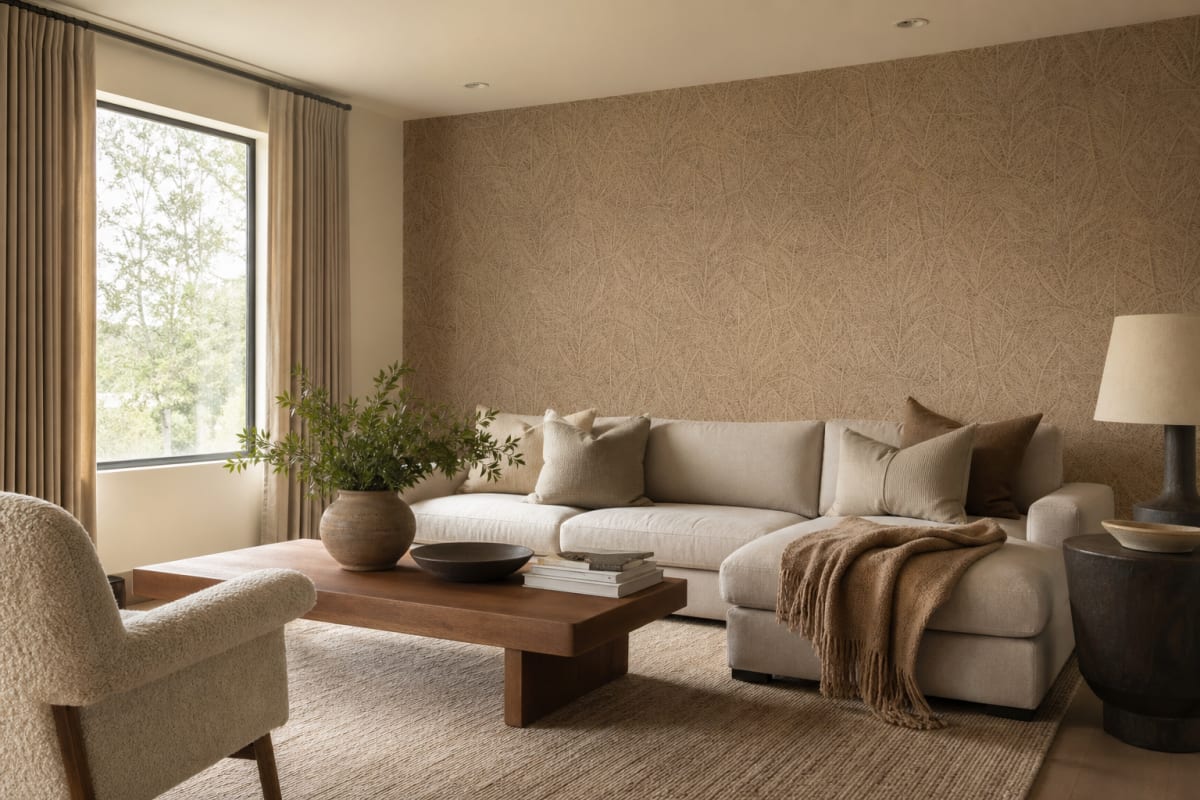
Living rooms and bedrooms generally see moderate everyday wear, giving you the freedom to focus on color, texture, and visual atmosphere. Current interior design trends highlight warm earthy tones, organic curves, and subtle, timeless patterns.
To build a soothing, sophisticated backdrop, look to understated options like the P+S 13093-60 Orpheo Wallpaper or the classic elegance of P+S 03885-80 Classico Wallpaper. If you want to add architectural depth to a focal accent wall, the tactile finish of P+S 13486-00 Infinity Wallpaper makes a striking statement.
Hallways and Children's Rooms
Foyers, corridors, and kids' rooms encounter daily scuffs, dirt, and frequent wipe-downs. For these high-traffic zones, opt for washable or scrubbable vinyl, or a reinforced non-woven wallpaper that handles damp-cloth cleaning with ease.
For a fun, uplifting children's room, P+S 13068-10 Confetti Wallpaper brings effortless cheer. If you prefer high-energy accents and vibrant color contrast, P+S 05565-70 X-Treme Colors Wallpaper delivers an invigorating look.
Kitchens and Bathrooms
Steam, humidity spikes, and grease splatters make kitchens and bathrooms particularly demanding environments. When shopping for moisture-resistant wallpaper for bathrooms, look for a heavy-duty vinyl surface designed for regular cleaning.
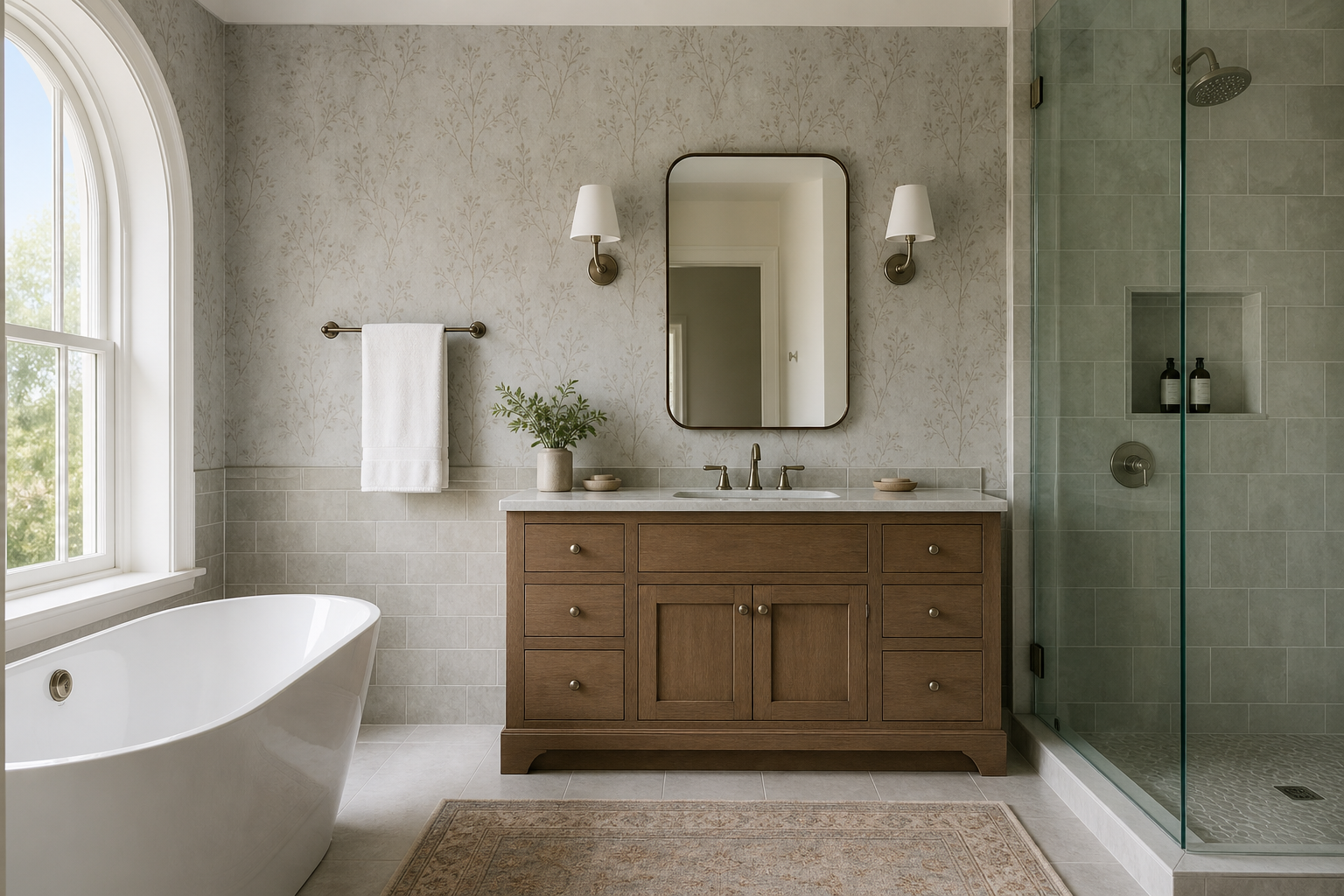
To ensure long-lasting results in wet spaces, keep these guidelines in mind:
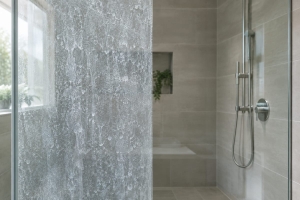
- Plan splash buffer zones: Never hang wallpaper directly inside walk-in showers or right next to bathtubs where water hits continuously. Use ceramic tile in direct splash zones and reserve wallpaper for secondary walls.
- Control indoor humidity: Maintain indoor relative humidity between 30% and 60%. Efficient bathroom ventilation is vital to keep condensation from settling along wallpaper seams and triggering mold growth.
- Zone for durability: A well-conceived bathroom design balances wet and dry zones thoughtfully, keeping every surface looking fresh for years to come.
Commercial Standards and Fire Safety Ratings
Wallcoverings specified for commercial interiors—such as offices, hotels, and retail spaces—must satisfy strict fire safety and building code standards. In North America, materials are tested under ASTM E84 / UL 723 or the room-corner test NFPA 286. ASTM E84 categorizes materials by Flame Spread Index (FSI) and Smoke Developed Index (SDI):
- Class A: FSI 0–25, SDI 0–450 (highest fire-resistance tier; required in exit corridors and stairwells).
- Class B: FSI 26–75, SDI 0–450.
- Class C: FSI 76–200, SDI 0–450.
Commercial wallcoverings are also categorized by durability classification:
- Type I (Light Duty): Total weight around 7.0 oz/yd² – ideal for low-traffic commercial areas such as hotel guest rooms.
- Type II (Medium Duty): Total weight around 13.0 oz/yd² – standard for high-traffic corridors, dining venues, and open-plan offices.
- Type III (Heavy Duty): Total weight around 22.0 oz/yd² – engineered for service corridors and high-impact areas requiring maximum tear and puncture resistance.
For refined commercial projects, P+S 02265-70 Baroque Wallpaper adds timeless grandeur, while P+S 13266-10 Graphics Alive Wallpaper provides a contemporary geometric touch.
How to Decode Wallpaper Roll Symbols
The international pictograms printed on wallpaper roll inserts detail the material's technical attributes and care instructions:
| Symbol | Rating | Care & Installation Notes |
|---|---|---|
| 1 wavy line | Spongeable | Damp-sponge cleanable during installation to remove excess paste; avoid detergents. |
| 2 wavy lines | Washable | Cleanable with a damp cloth and mild soapy water to remove light dirt. |
| 3 wavy lines | Extra-washable | Resists regular wet cleaning; suitable for kitchens and busy hallways. |
| Wave and brush | Scrubbable | Can be scrubbed clean with a soft brush and neutral detergent solution. |
| Sun symbol | Lightfastness | Indicates resistance to fading under direct sunlight and UV exposure. |
| Opposing / offset arrows | Pattern match | Denotes straight match, offset match, or free match (random pattern). |
| Paste on wall / roll | Adhesive application | Specifies whether adhesive is applied directly to the wall (paste-the-wall) or onto the paper strip. |
| Removal symbols | Strippability | Shows whether wallpaper is strippable dry, peelable (leaves backing paper), or requires wetting/steaming. |
Before opening your rolls, always verify that every roll shares the same batch or dye lot number to avoid slight color variations along seam lines.
Balancing Room Proportions, Lighting, and Scale
The right pattern and color palette can visually reshape a room and maximize natural daylight:
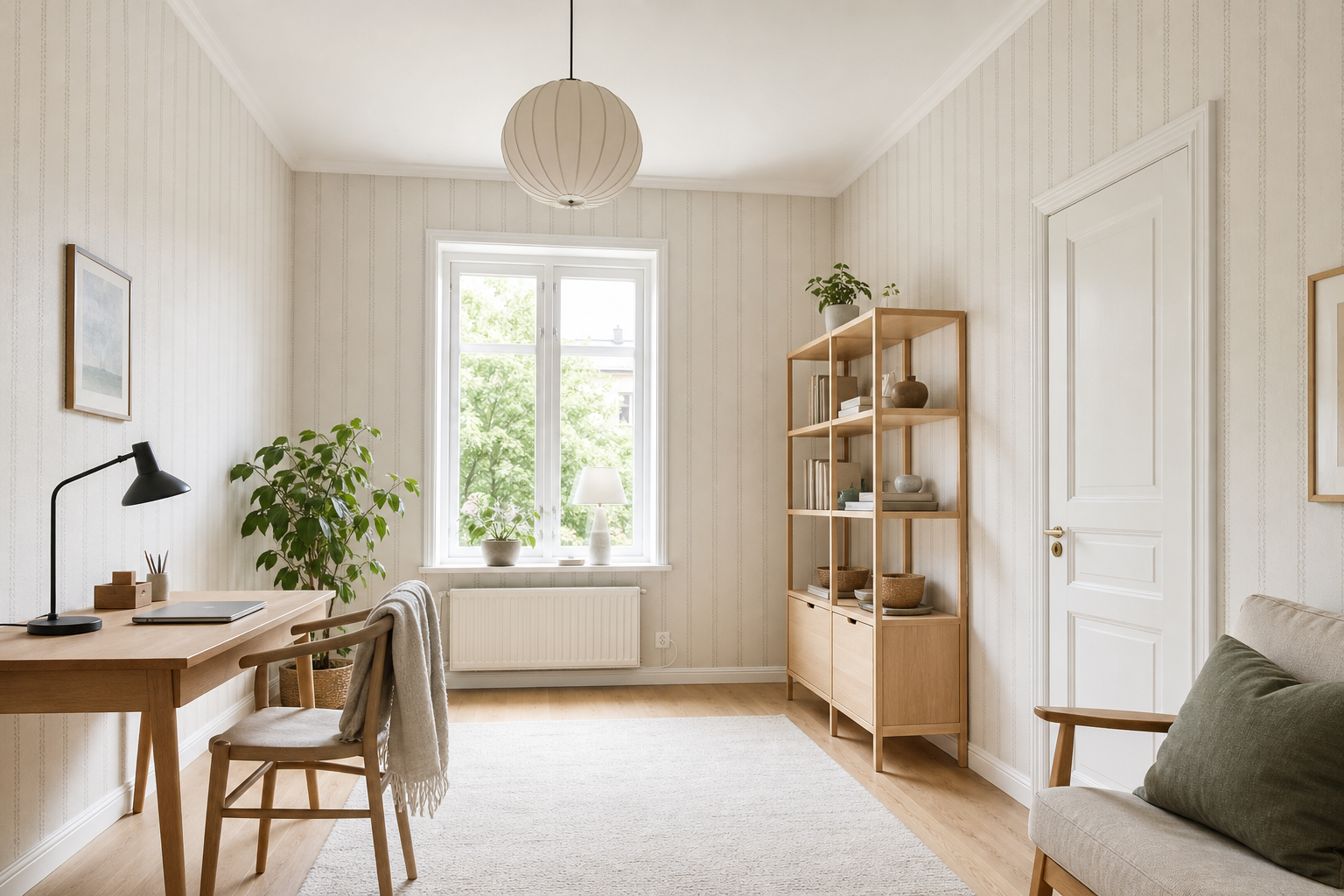
- Scale of the pattern: Oversized motifs create dramatic focal points on wide feature walls, but can easily overwhelm compact rooms. Subtle, small-scale prints read as delicate texture from a distance, making them ideal for smaller footprints.
- Visual ceiling height: Vertical stripes and upward-climbing patterns draw the eye upward, giving the impression of taller ceilings.
- Light and orientation: North-facing or dimly lit rooms feel more inviting with warm, light-reflecting palettes. Designs like P+S 13461-50 Novara Wallpaper and P+S 13170-40 Wallpaper capture and diffuse available daylight, making spaces appear brighter and more expansive.
- Calculating pattern waste: When planning a full home renovation, always account for pattern repeat when ordering materials. For wallpapers with large offset repeats (60–90 cm), factor in an extra 10–15% overage for alignment and trimming.
For a serene, harmonious interior, the classic design of P+S 13090-60 Artemis Wallpaper provides another dependable, stylish option.
Selecting the Ideal Wallpaper for Your Project
A successful wallpaper installation brings together aesthetic vision, surface preparation, and the right technical material for the room's conditions. Browse our full collection in the wallpapers section at the Vipex online store, or visit our Tallinn showroom to explore samples and finishes in person. Our interior specialists are on hand to help you find the perfect solution for your space.