


Ceramic Tile Installation and Maintenance: A Practical Guide
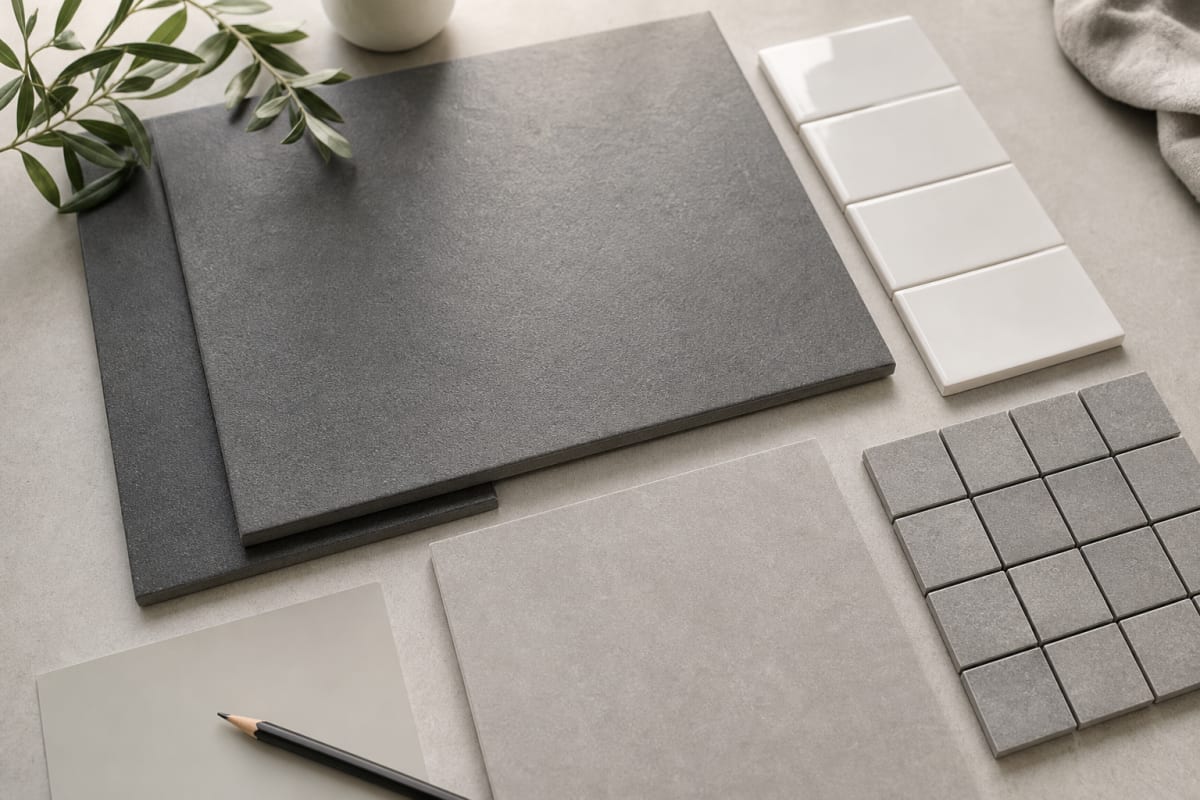
Properly installed ceramic tiles can easily last upwards of 50 years. Yet even a minor flaw in the substrate can trigger unsightly cracks within the very first season. Achieving a flawless, long-lasting finish comes down to sound technical preparation, proven installation practices, and regular care that safeguards your investment for decades to come.
Planning and Material Selection
Every successful tiling project starts with thoughtful preparation. When planning when purchasing ceramic tiles, always calculate an overage buffer of at least 10%. For intricate tile patterns or complex room layouts, increase this allowance to 15% to account for cutting waste, layout adjustments, and future repairs.
Matching your tile to the room's function and traffic demands is equally critical—our guide to choosing ceramic tiles for your home breaks down key factors to consider. In wet environments like bathrooms, slip resistance is essential. Opting for R10-rated anti-slip tiles, such as the Moon Dark Grey 60x60 matte anti-slip floor tile, ensures dependable grip on wet surfaces. For walk-in showers and curbless wet rooms, the compact Arcides Grey 10x10 floor tile provides excellent drainage slopes and underfoot traction.
For busy residential hallways or commercial premises, choose high-durability tiles rated PEI IV or V to withstand heavy foot traffic. On vertical surfaces, classic bright options such as the Glossy White 10x30 white gloss wall tile, Rako Lucie Grey 20x25 wall tile, or Seramiksan Matte White 20x20 wall tile reflect light effectively to create an open, airy atmosphere.
Surface sheen plays a defining role in the visual depth of a room—explore how gloss, semi-matte, and matte finishes interact with your lighting scheme. In spacious bathrooms, large-format bathroom tiles minimize grout lines to deliver a clean, continuous aesthetic. You can also incorporate striking accent features with glass mosaic tiles or the organic texture of natural stone tiles, such as the Arabian Black polished granite tile, White Beauty polished granite tile, or Soap Stone black ceramic mosaic tile. Ordering quality ceramic tiles in accurate quantities lays the groundwork for a smooth, problem-free installation.
Critical Installation Steps and Common Pitfalls
Industry standards—including ANSI A108 and TCNA guidelines—make it clear that long-term tile performance relies on a sound substrate. The underlying base must be completely dry, rigid, free of dust and contaminants, and treated with an appropriate bonding primer (such as Ceresit CT 17). Any deflection, hollow pockets, or uneven areas will eventually cause tiles to debond or grout lines to crack.
Always assess floor levelness and correct irregularities with a suitable self-leveling compound before setting tile. Spread thin-set mortar using a notched trowel in manageable sections of 1–2 m² to prevent the adhesive from skinning over, and maintain an ambient installation temperature between 5 °C and 25 °C.
Waterproofing and Corner Detailing
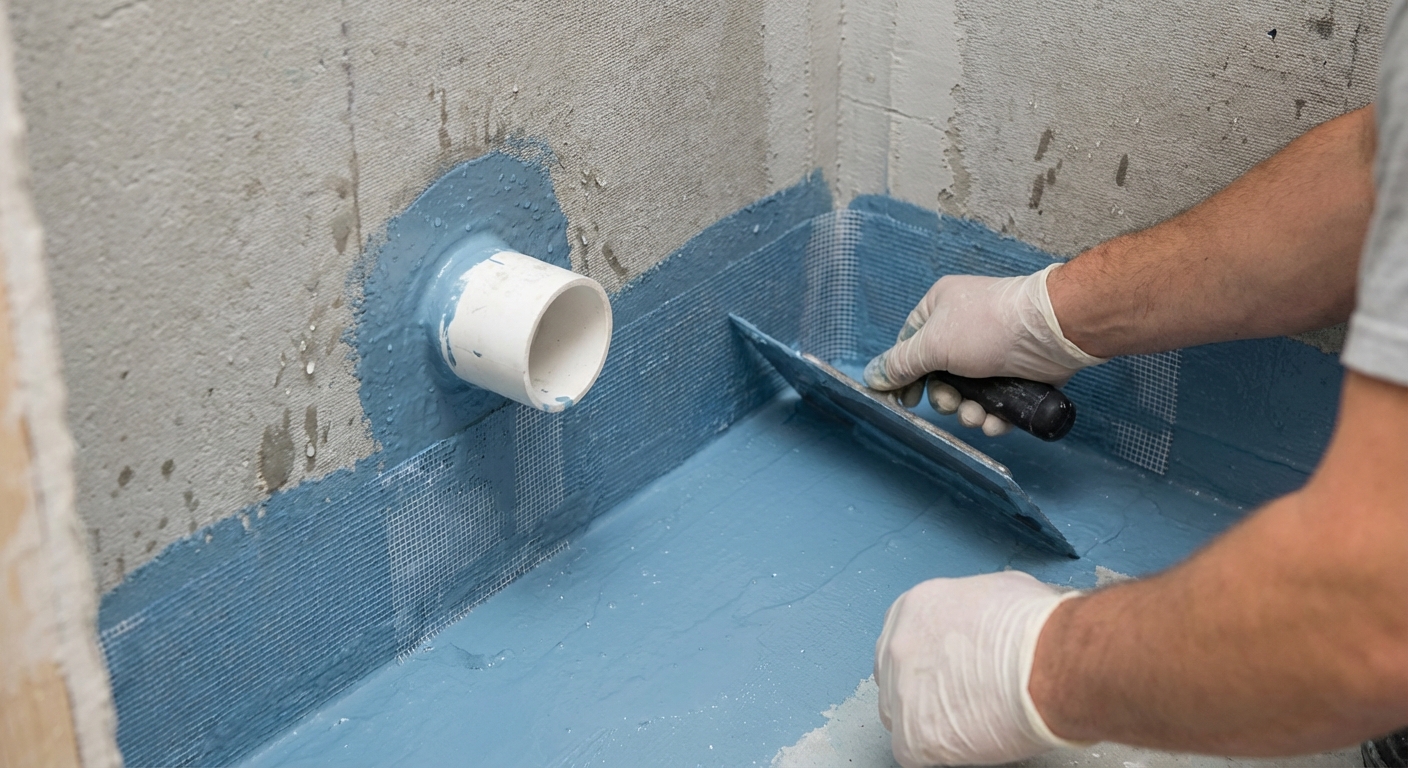
In wet zones, an unbroken waterproofing assembly is non-negotiable. Applying reliable under-tile bathroom waterproofing prevents moisture migration into wall studs and subfloors. Pay particular attention to inside corners, floor-to-wall junctions, and pipe penetrations, reinforcing each transition with waterproof sealing tape. This critical step stops mold growth at the source and protects building structures from costly water damage. Finish all internal corner joints and material transitions with a flexible sanitary silicone (such as Ceresit CS 25) rather than rigid grout.
Movement and Expansion Joints
Tile assemblies naturally expand and contract with temperature and humidity shifts. To prevent tile tenting, buckling, or cracking, incorporate dedicated movement joints. Allow at least 6 mm of perimeter expansion gap along interior walls, and design structural expansion joints to be at least 10 mm wide over larger areas or outdoor installations. Crucially, expansion joints must run continuously through the tile, adhesive bed, and underlayment to effectively relieve structural stress.
Grouting: The Key to Strength and Hygiene
Allow the mortar bed to cure for at least 24 hours before applying grout. Your choice of grout affects both the final appearance and how easily the surface can be cleaned and maintained over time.
For standard residential floors and radiant heating assemblies, Ceresit CE 40 Aquastatic offers an ideal balance of flexibility and water repellency. Its smooth finish resists staining and mold, making it well-suited for everyday bathroom and shower environments.
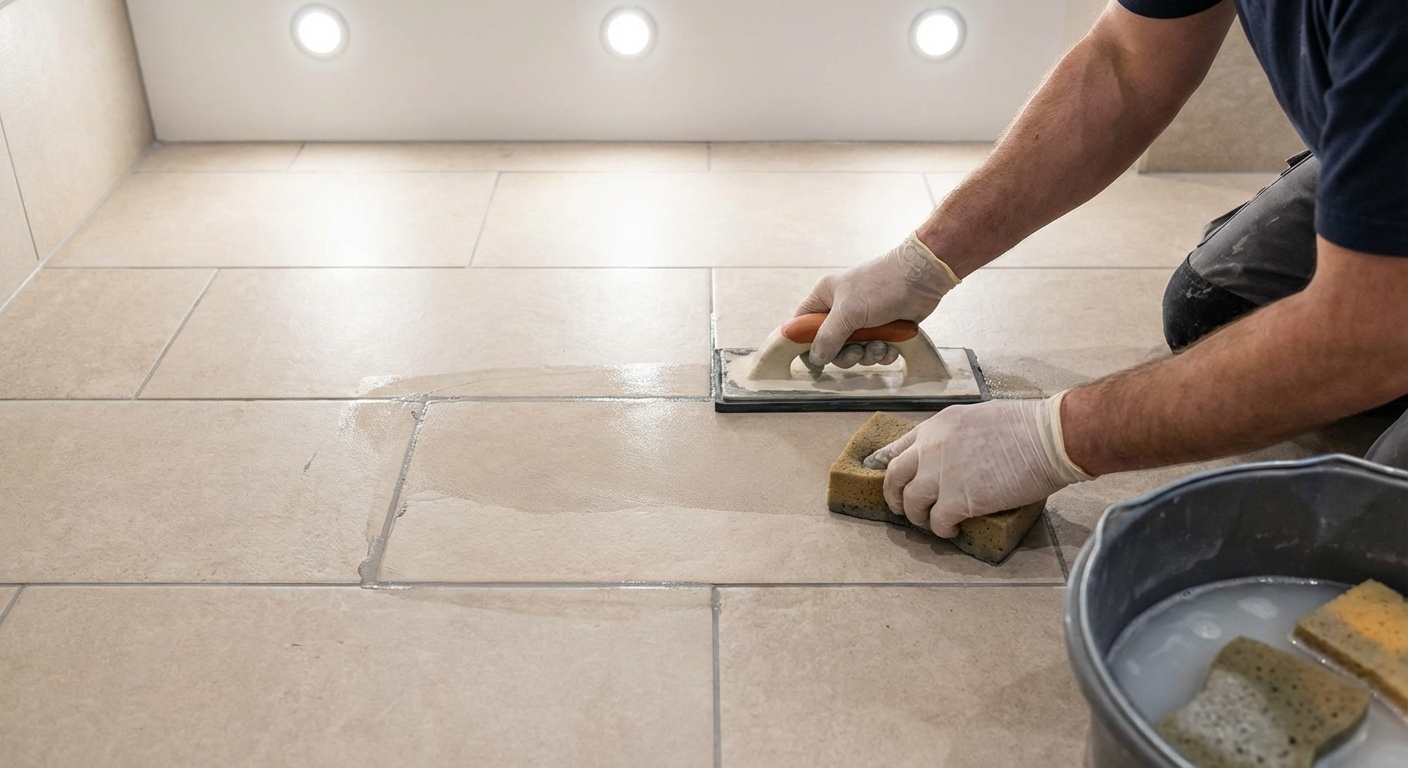
For high-demand installations such as commercial kitchens, food prep areas, or spaces regularly exposed to harsh chemical cleaners, opt for Ceresit CE 89 epoxy grout. This two-component, non-porous formulation provides total water impermeability, exceptional mechanical strength, and superior chemical resistance.
Proper Maintenance to Extend Tile Lifespan
Routine care keeps tile surfaces looking brand new while protecting the integrity of the grout joints. Clean tiles regularly with a pH-neutral cleaner (pH 7). While acidic descalers dissolve mineral deposits quickly, frequent use will break down cementitious grout and etch delicate glazes over time.
- Clean surfaces regularly using a soft microfiber cloth or damp mop paired with a neutral detergent.
- Periodically inspect silicone joints around tubs, showers, and sinks, replacing worn or detached sealant promptly to prevent moisture ingress.
- Clean outdoor tiled patios and walkways thoroughly before freezing temperatures arrive to prevent dirt and standing water from compromising grout joints during freeze-thaw cycles.
By pairing durable materials with precise installation techniques, your tiled spaces will retain their beauty and structural performance for decades. Discover the full range of tiles, membranes, and setting materials in the Vipex online store to get your project started on the right foot.