


Elevating Interiors with 3D Ceramic Tiles and Color Harmony
Are your walls feeling flat and uninspired? Three-dimensional ceramic tiles have emerged as a premier focal point in modern interior design, offering a level of texture and dynamism that standard paint or smooth surfaces simply cannot replicate.
Why Incorporate Textured Surfaces into Your Home?
Three-dimensional ceramic tiles are more than just a visual novelty; they introduce tactile luxury and a sense of rhythm to a space. By creating a sophisticated play of light and shadow that shifts throughout the day, these surfaces evolve alongside the room's natural lighting. Beyond their aesthetic appeal, relief surfaces offer functional benefits, such as diffusing sound waves to improve acoustics in large, open-plan areas.
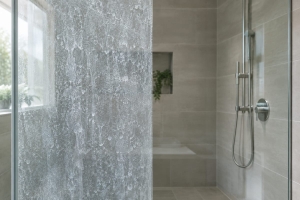
Vipex offers an extensive collection of ceramic tiles tailored to every design sensibility. For example, the textured Rako System white tile demonstrates how a subtle, disciplined pattern can transform a standard bathroom wall into a contemporary design statement. Such choices are increasingly popular in biophilic and modern interiors, where natural, organic textures are highly prized.
Practicality in Kitchens and Bathrooms
In high-traffic areas like kitchens and bathrooms, materials must balance style with durability. Textured wall tiles are typically finished with a non-porous glaze, ensuring they remain resistant to moisture and staining. For those seeking a truly high-impact look, the Apavisa Glam White Rose relief provides a luxurious finish perfect for creating a signature accent wall.
It is important to note that 3D ceramic tiles are designed exclusively for wall applications. Their pronounced relief makes them unsuitable for flooring, as they can be difficult to clean and uncomfortable underfoot. For bathroom floors, prioritize smooth but slip-resistant tiles with a rating of at least R10 or R11. For more detailed guidance, explore our article on choosing ceramic tiles for your home.
Color Combinations and Spatial Perception
The synergy between color and texture is the key to a harmonious home. By applying the classic 60-30-10 design rule—where the primary color covers the majority of the space—3D tiles can serve as the "10 percent" accent that provides the necessary visual weight. For further inspiration on color theory, see our guide on holistic color spaces.
Neutral Tones and the Interplay of Light
In smaller rooms, light and neutral palettes—such as beige, gray, or soft white—are highly effective. These shades maximize light reflectance, making a space feel more expansive. Relief surfaces add much-needed depth to these clean tones, preventing a monochromatic room from looking sterile. If you are searching for the most beautiful ceramic tiles currently on the market, light-colored textured tiles consistently top the list for their elegance and versatility.
2025 Trends and Technology
Interior design is moving toward extreme tactility. In 2025, the "mineral drenching" technique is particularly prominent, utilizing large-format tiles and a unified color palette to create seamless, continuous surfaces. Soft aquamarines and "underwater world" blue tones are also trending. Stay ahead of the curve by reading about the new flooring trends for 2025.
Bold Accents and Ceramic Artistry
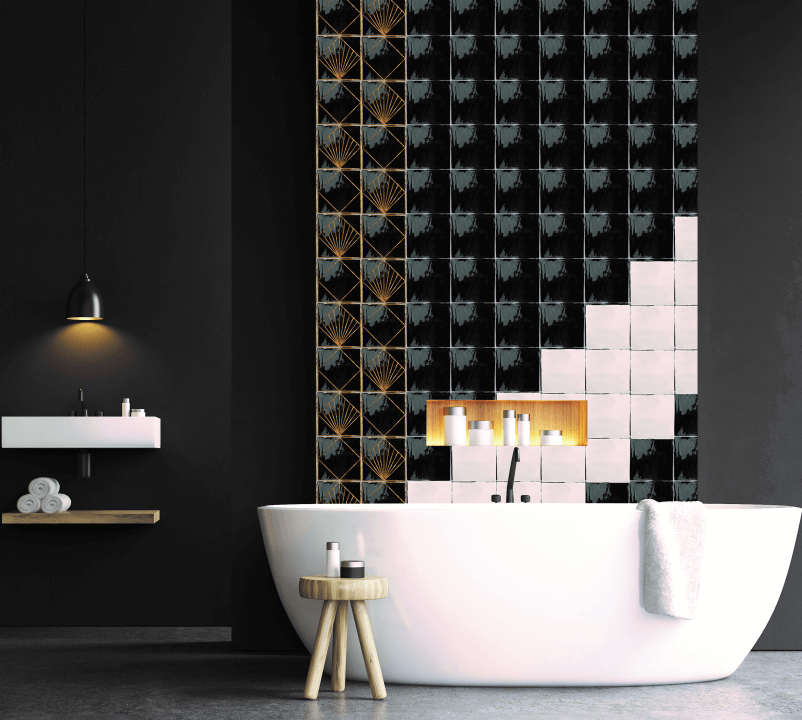
For those who want to move beyond the conventional, Arcana Ceramica and other leading manufacturers offer avant-garde, colorful solutions. The collections from Cerámica Da Vinci are standout examples:
- The Manual series in Camel brings the warmth and depth of exotic spices to an interior.
- The Verbena series features soft colors and textile-inspired patterns for a cozy, lived-in atmosphere.
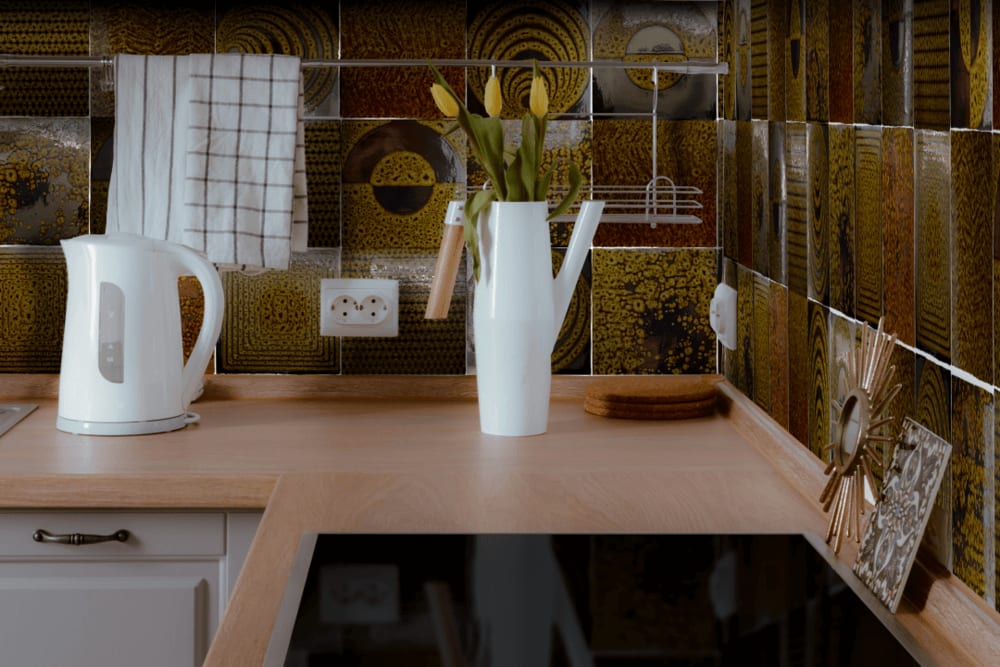
- The golden accents of the Sunrise series catch the light to bring a radiant glow to any room.
- The 3D effects of the Diamond series play with varying shades to provide visual interest in any lighting condition.

For a sleek, high-tech aesthetic, the Apavisa Glam Silver Rose relief or Green Rose relief adds a touch of modern elegance. For lovers of classic design, the Extra Ivory patterned tile remains a timeless choice.
Practical Tips for Installation and Maintenance
Installing textured tiles requires a higher level of precision than flat surfaces to ensure that patterns and shadows align seamlessly. Grout selection is equally critical: a contrasting grout will emphasize the geometric texture, while a color-matched grout creates a more serene, monolithic appearance. Before starting your renovation, we recommend consulting our ultimate guide to installing and maintaining ceramic tiles.
While high-quality glazes make maintenance straightforward, 3D surfaces can collect more dust than smooth walls. Experts suggest choosing reliefs with larger, sweeping curves, which are easier to wipe down than textures with many small protrusions. A neutral cleaner and a soft cloth are usually all that is required. For professional results, you can find the necessary tools in our painting and finishing supplies department.
The Critical Role of Lighting
Lighting is the secret to unlocking the full potential of 3D tiles. Use directional LED strips or top-mounted wall "grazing" lights to cast light across the tile surface. This technique emphasizes the contours of the relief and creates dramatic shadows, effectively turning your wall into a living work of art. This approach is particularly striking with tiles like Texture Onne Blanco, where subtle textures come to life under the right illumination.
Whether you are planning a bathroom refresh or a living room overhaul, the right tiles will create an environment that feels both timeless and modern. Visit the Vipex showroom or browse our online store to discover the finest glass mosaic tiles and ceramic solutions for your next project.