


How to Plan a Bathroom Renovation That Lasts a Lifetime
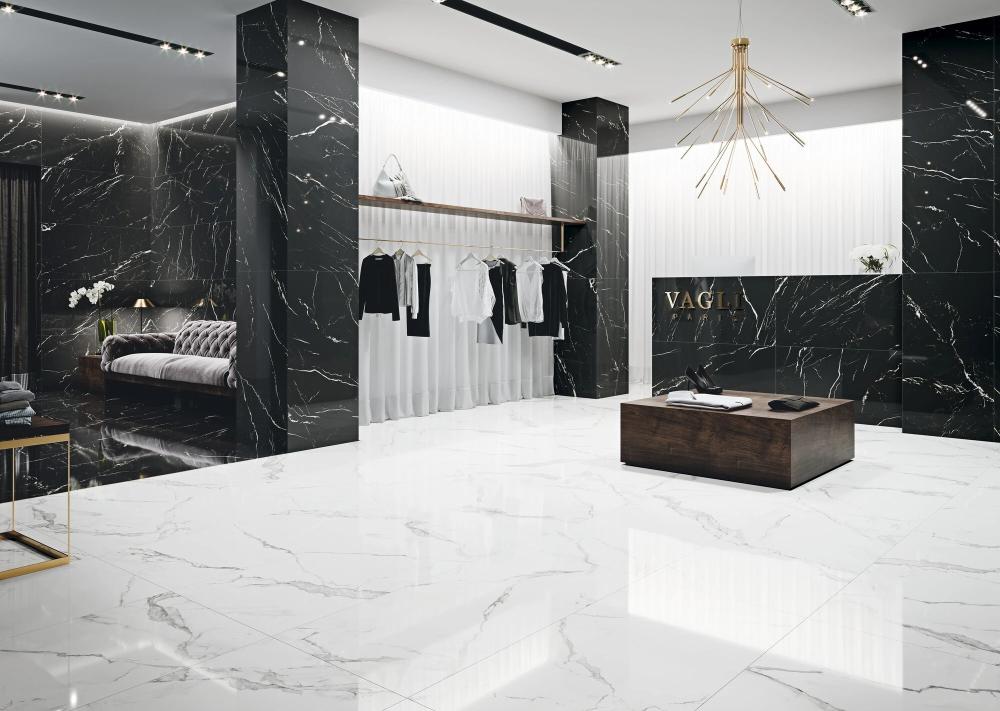
Did you know that nearly 80% of bathroom leaks are caused by inadequate waterproofing? Thorough planning does more than just prevent costly repairs; it ensures your investment remains a sanctuary of comfort for decades to come.
Durability Starts with Technical Material Selection
The foundation of a long-lasting bathroom lies in selecting materials engineered to withstand constant moisture and temperature fluctuations. In a wet-room environment, the technical specifications of ceramic tiles—specifically water absorption and porosity—are critical factors to consider.
For flooring, safety is paramount. Slip resistance, denoted by an "R-rating," is the deciding factor here. For residential bathrooms and shower areas, tiles with an R10 or R11 rating are recommended to provide secure grip even under wet feet. You should also evaluate the wear resistance, or PEI rating; for residential applications, a rating of IV or V is ideal to ensure the glaze stands up to decades of use.
Large-format tiles are a particularly practical choice. By reducing the number of grout lines—which are traditionally the most vulnerable points for dirt and moisture accumulation—larger tiles make the space easier to clean and create a more expansive, seamless aesthetic.
Waterproofing: The Invisible Protective Barrier
Even the highest quality ceramic tiles and grouts are not entirely waterproof. To protect your home's structure, a continuous, elastic bathroom waterproofing system must be installed beneath the finish. This system typically includes a primer, a liquid membrane, and specialized sealing tapes for critical joints and corners. In shower zones, this moisture barrier should extend to a height of at least 190 cm.
Robust insulation is also your primary defense when preventing mold in the bathroom. Mold thrives on persistent moisture and organic residue; if the structure is sealed against water penetration and the ventilation is efficient, the environment remains healthy and hygienic.
Choosing Fixtures and Moisture-Resistant Furniture
Faucets and ceramics typically account for 20–30% of a bathroom budget. Investing in high-quality sanitaryware, such as brass or stainless steel faucets, ensures corrosion resistance and a leak-free lifespan. A modern Laufen Pro vanity unit is a prime example of combining durable ceramics with a sleek, low-maintenance design.
Because of the high-humidity environment, bathroom furniture must be constructed from moisture-resistant materials (look for an IP44 rating for electrical components). Durable and stylish options include:
- The Harma Serena vanity unit, a perfect fit for contemporary interiors.
- The Harma matte white vanity unit, which provides an expansive storage surface.
- The Kame D-line wall cabinet, ideal for adding vertical storage.
- A variety of bathroom wall cabinets designed to declutter countertops and hide essentials.
The Importance of Ergonomics and Ventilation
Many common bathroom renovation mistakes stem from poor spatial planning and inadequate air circulation. For a comfortable layout, aim for at least 70 cm of clearance in front of the washbasin, toilet, and shower. If you are working with a small bathroom, wall-mounted or "floating" furniture can help the room feel more open and airy.
Effective ventilation is essential for keeping relative humidity below 60%. It is generally recommended to install a fan with a capacity of approximately 1 cfm (cubic foot per minute) per square foot of space. This ensures surfaces dry quickly and prevents water vapor from condensing on cooler walls and ceilings.
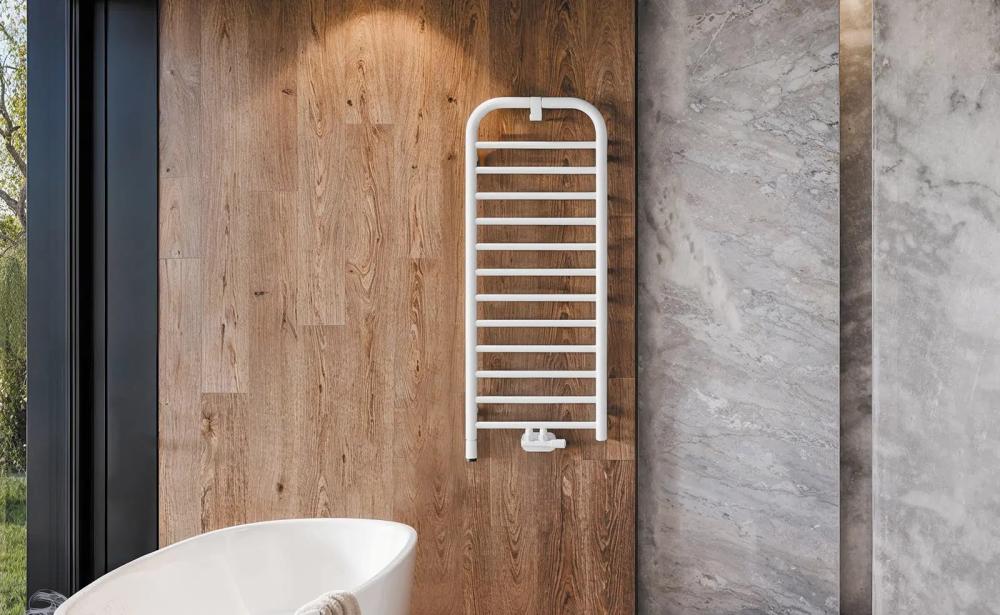
Budgeting and Professional Execution
A typical bathroom renovation budget is often split between labor (25–60%) and materials. When ordering tiles, always include a 10–15% buffer for cutting waste and future repairs. It is also wise to set aside a 10–20% contingency fund for the unexpected discoveries that often arise during demolition.
A comprehensive home renovation or bathroom build usually spans 4 to 8 weeks. During this time, technical precision should never be sacrificed for speed—especially regarding the correct floor slope (1–2%) and plumbing integrity.
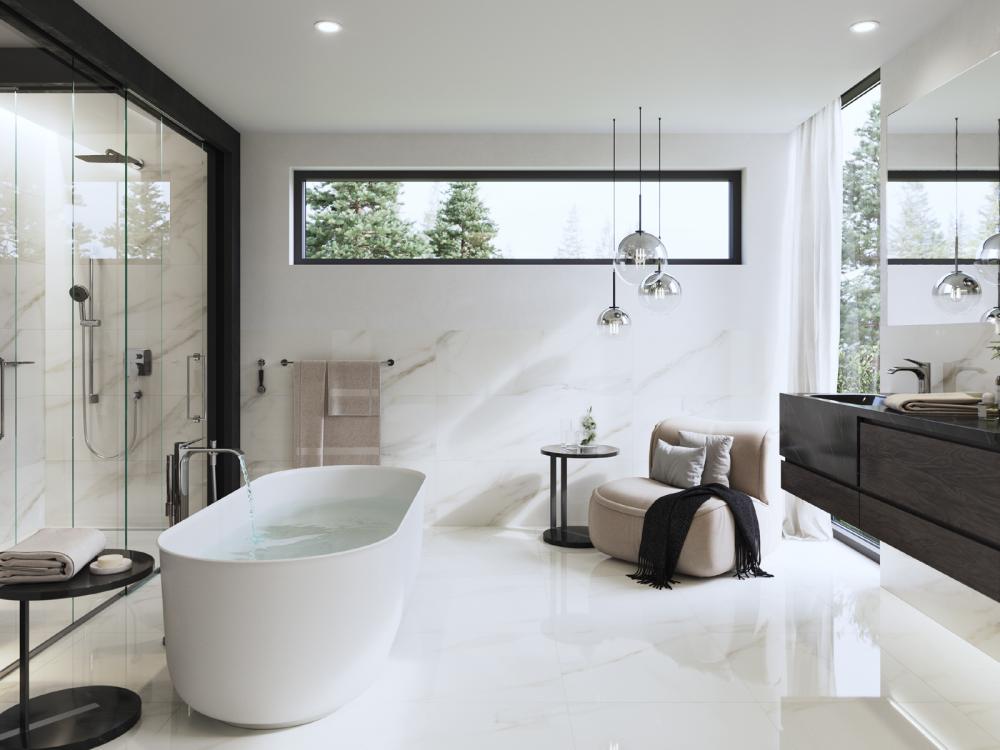
A durable bathroom is a holistic system where premium materials meet expert installation. By prioritizing thorough planning and selecting high-quality bathroom materials, you create a space that remains both beautiful and functional for decades. Discover a wide selection of premium solutions for your next project at the Vipex flagship showroom or our online store.