


Spanish Ceramic Tiles: Where Centuries of Tradition Meet Modern Innovation
Did you know that Spain’s ceramic heritage dates back to the 8th century? It was the Moorish influence that first introduced sophisticated glazing techniques to the Iberian Peninsula. Today, this ancient craftsmanship is paired with cutting-edge technology, offering homeowners a perfect blend of durability and timeless style that never goes out of fashion.
A Legacy of Excellence and Innovation
Spain remains at the forefront of the global ceramics industry, where time-honored techniques are seamlessly integrated with modern manufacturing. Approximately 94% of the country’s production is concentrated in the province of Castellón, home to world-renowned manufacturers such as Grespania and Cristacer. While Spanish ceramics were historically celebrated for their handcrafted Islamic geometric patterns and Renaissance motifs, the industry now leads the way in digital printing and sophisticated 3D textures.
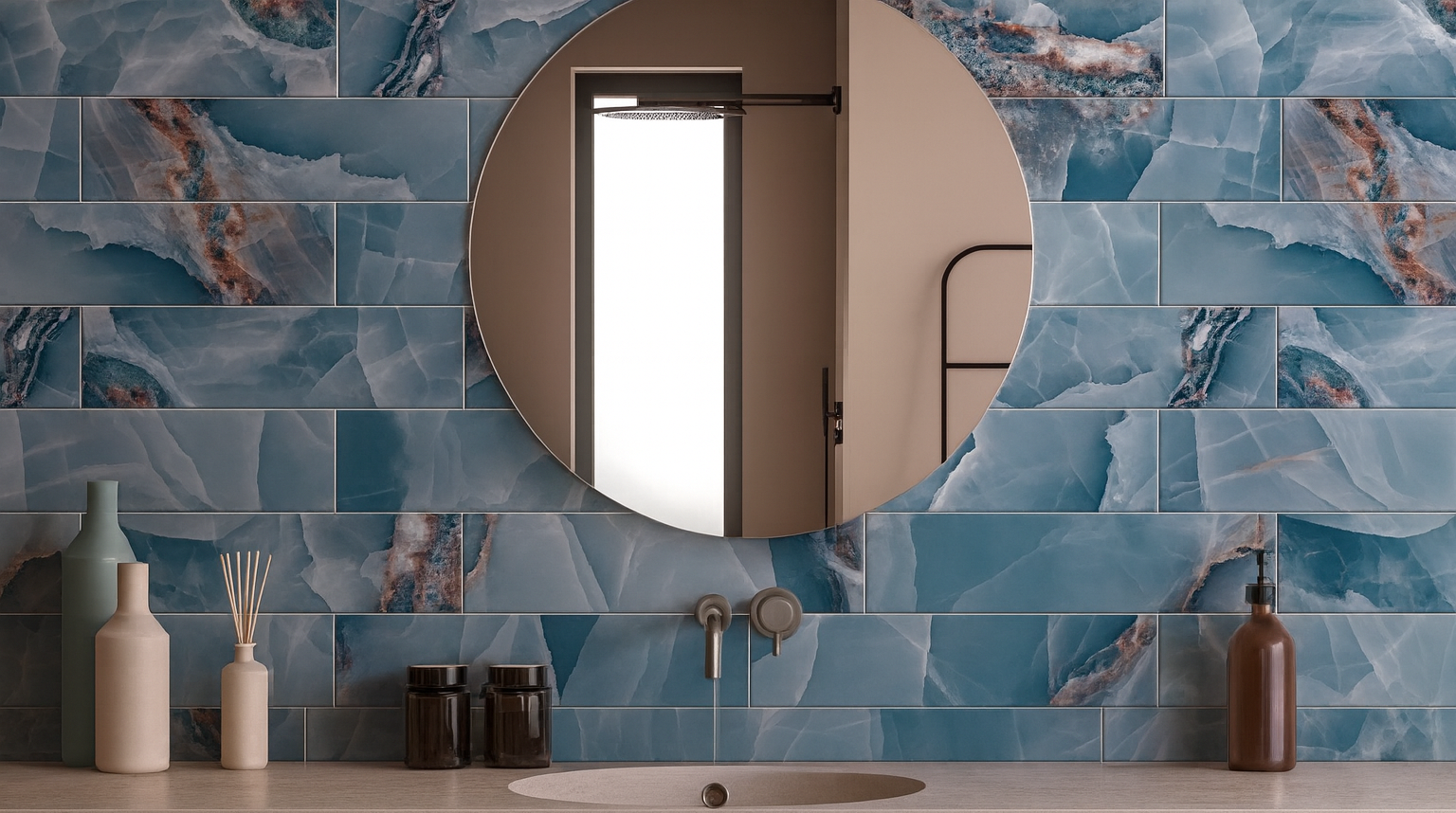
Using advanced inkjet technology, modern manufacturers can replicate natural materials with startling accuracy. Whether emulating the grain of natural stone, the warmth of wood, or the raw edge of concrete, these tiles provide the aesthetic of the original material with the superior durability of ceramic. For instance, the Grespania Buro Iroko 60x120 ceramic wall tile captures the elegant look of natural timber while remaining moisture-resistant and effortless to maintain.
Technical Excellence: Understanding PEI Ratings and Slip Resistance
Selecting the right tile involves more than just an eye for design; it is a technical decision that impacts both safety and longevity. To ensure your choice stands the test of time, it is essential to understand the specifications that distinguish wall tiles from floor tiles.
- PEI Rating (Abrasion Resistance): This determines the level of foot traffic a tile can endure. For residential bathrooms or bedrooms, a PEI 3 rating is typically sufficient. However, for high-traffic areas like hallways and kitchens where outdoor footwear is common, a PEI 4 or higher is recommended.
- Water Absorption: This is a critical factor for wet rooms and outdoor spaces. Porcelain tiles (often called "full-bodied" tiles) have an exceptionally low water absorption rate of less than 0.5%, making them frost-proof and highly resistant to moisture. For more advice, see our guide on how to choose bathroom tiles that last for years.
- Slip Resistance (R-Rating): Safety is paramount, particularly in wet environments. For bathroom floors, tiles with an R10 or R11 rating are preferred, while an R9 rating is suitable for dry living areas. You can learn more about different textures in our article on glossy, semi-matte, and matte surfaces.
Elevating Interiors with Spanish Design
Spanish manufacturers are celebrated for their bold experimentation with form and color. Da Vinci Ceramica is a standout in this regard, specializing in small-format and decorative tiles. Their collections, such as the Diamond series, create striking 3D effects that use light and shadow to add depth to any wall.
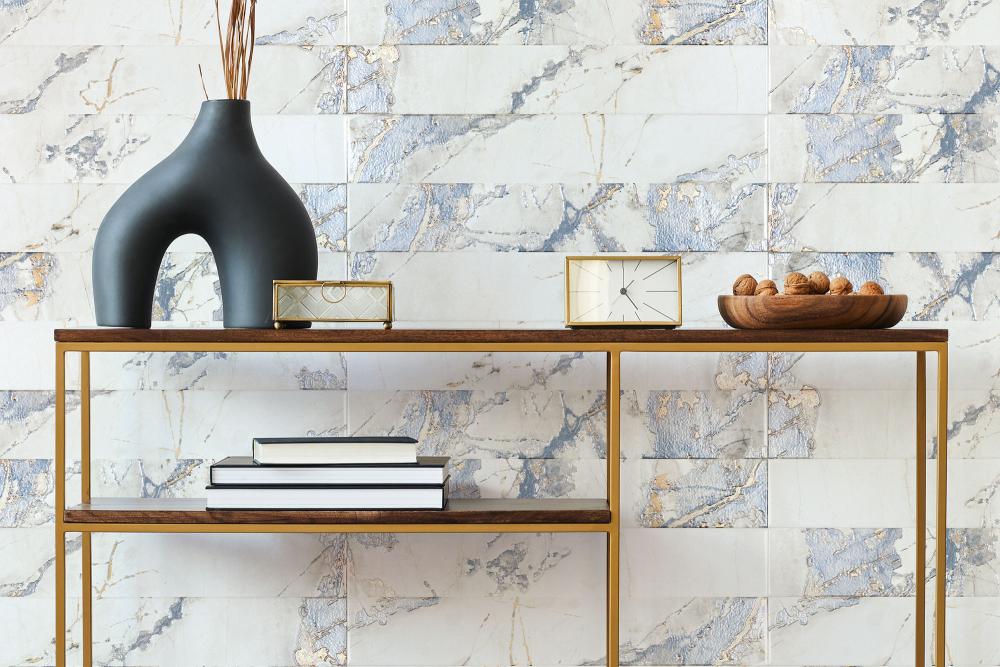
For those pursuing a more luxurious aesthetic, marble-effect tiles remain a perennial favorite. The Marmorea Marquina Natural 30x60 ceramic floor tile delivers the dramatic grandeur of deep black marble with the practicality of a matte finish. These surfaces elevate a room’s perceived value while offering the easy installation and maintenance of modern ceramics.
In minimalist and contemporary interiors, cement and metal imitations are increasingly popular. The Titanium Silver wall and floor tile, for example, provides a clean, expansive backdrop that complements modern sanitary ware. For further design inspiration, explore our post on the most beautiful ceramic tiles.
Planning for Success: Installation and Maintenance
A successful renovation begins with precise planning. A common pitfall is ordering only the exact square footage required. You should always include a 10–15% overage to account for cutting waste and to ensure you have extra tiles from the same production batch for potential future repairs. For a detailed walkthrough of the preparation process, consult our article on how to plan your ceramic tile purchase.
Once your tiles arrive, the focus shifts to professional installation. Our ultimate guide to ceramic tile installation and maintenance emphasizes the importance of using flexible adhesives and grouts, particularly when installing over underfloor heating. Remember that while ceramic tiles are waterproof, the underlying structure in a wet room always requires a professional-grade waterproofing system.
Spanish ceramics provide endless opportunities to create a home that is both a reflection of your personality and a testament to practical durability. Explore the wide range of ceramic tiles at the Vipex e-shop to find the ideal solution for your next renovation project.