


The Essential Guide to Sink and Faucet Maintenance
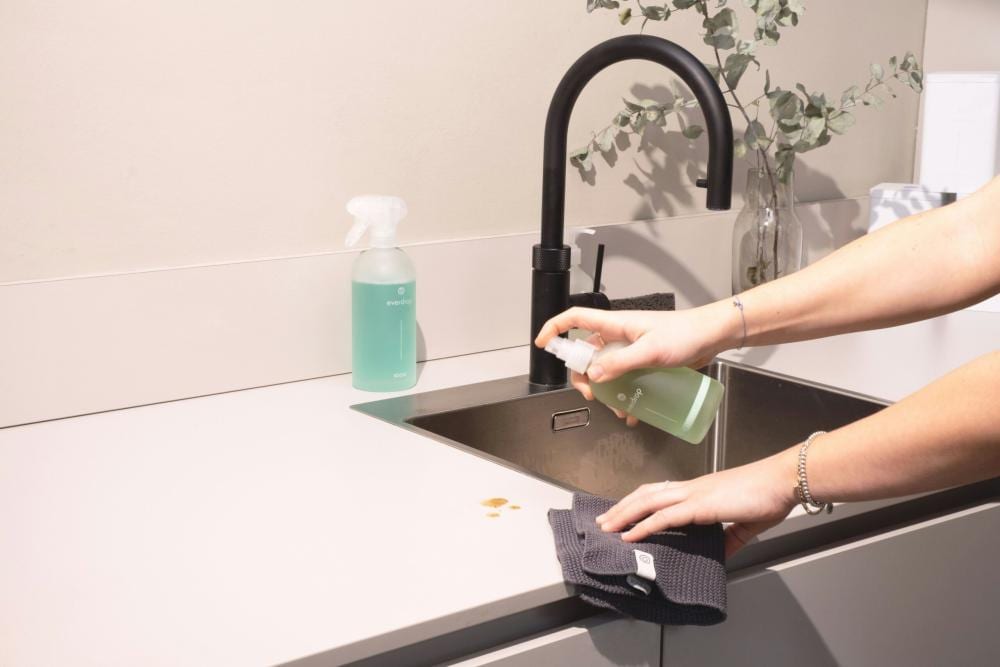
Whether you are dealing with a loss of luster or battling stubborn limescale, proper maintenance is the key to protecting your investment. Beyond simple aesthetics, consistent care ensures the longevity of your sanitaryware in both residential and commercial settings.
Maintenance Tips by Sink Material
As one of the most hardworking areas in any kitchen or bathroom, the sink is constantly exposed to grease, food acids, and mineral-heavy water. To prevent dulling or scratching, different sinks and basins require specific care routines tailored to their material properties.
Stainless Steel
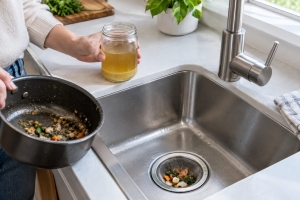
Stainless steel is favored for its hygiene and legendary durability. However, it is surprisingly sensitive to chlorine and aggressive bleaching agents, which can lead to corrosion. For daily upkeep, high-quality stainless steel kitchen sinks—such as the brushed bronze Deante Olfato Precious—should be wiped down with a soft microfiber cloth. Always wipe in the direction of the material’s grain to prevent water spots and preserve the metal's natural sheen.
Ceramic and Composite Granite
Ceramic basins and sinks offer a timeless aesthetic and high resistance to heat and chemicals. The Deante Lumi ceramic sink, for example, features a smooth, stain-resistant surface, though care should be taken with heavy cast-iron cookware to avoid impact chipping. For stubborn stains on ceramic, a gentle paste of baking soda and water often does the trick.
Composite granite sinks, like the Deante Corio, are prized for their ruggedness. However, their textured surface can trap oils and minerals. Avoid abrasive scouring powders or steel wool, which can permanently dull the finish. Instead, use a neutral soap solution and a soft sponge for regular cleaning.
Caring for Faucet Finishes
A faucet’s finish dictates which cleaning agents are safe to use. While modern washbasin faucets come in a variety of styles—from classic chrome to contemporary matte black—they all require a gentle touch to stay looking new.
Chrome and Brushed Finishes
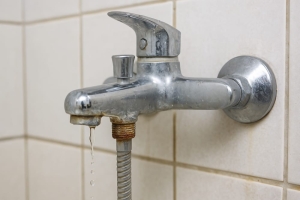
Chrome surfaces, such as the Harma Platinum JS02HGR, are highly durable but can be damaged by acidic cleaners. Harsh limescale removers can eat through the plating over time. Mild dish soap and a dry, soft cloth are usually all you need. For brushed finishes, like the Harma Sylvia kitchen faucet, avoid circular scrubbing; following the "brushed" line of the metal helps maintain a uniform appearance.
Matte Black and Luxury Finishes
Matte black fixtures, found in the Deante Blur series or the concealed Deante Silia, are centerpieces of modern design. Because this matte effect is created with a specialized coating, it is more susceptible to scratches and mechanical damage. The same caution applies to the Harma Gold Collection. To keep these luxury finishes pristine, avoid all abrasive tools and dry the faucet after every use to prevent white limescale buildup from forming.

Managing Hard Water: Preventive Strategies
Hard water is a common challenge in Estonia. High concentrations of calcium and magnesium lead to rapid limescale deposits. You can find more detailed advice on managing hard water in the bathroom in our dedicated blog post.
- Dry after use: Use a microfiber cloth to wipe surfaces immediately after use to prevent minerals from settling.
- Surface quality: Opt for high-density ceramics and smooth finishes that provide fewer "grip" points for dirt and scale.
- Filtration: Consider installing a water filter to protect your fixtures' internal valves and cartridges. Learn about different water filter types to see which fits your needs.
- Rinse thoroughly: Always rinse away cleaning agents with clean water to prevent chemical residue from etching the surface.
Maintenance and Replacement Parts
If your faucet's water stream becomes uneven or starts splashing, it is likely time to clean the aerator. A faucet aerator infuses the water stream with air to conserve water and create a soft, splash-free flow. While regular cleaning helps, you can easily find faucet spare parts in our online store when a replacement is needed.
To avoid scratching your faucet during maintenance, use a plastic aerator key. Components like the Neoperl aerator are specifically designed for easy maintenance, ensuring consistent water pressure even in areas with hard water.

Longevity starts with the quality of the product. Faucets with solid brass bodies and high-density ceramics, such as the BOCCHI Etna basin, are engineered to withstand the rigors of daily use. Remember: consistent, gentle care is always more effective than occasional, aggressive scrubbing.

With the right techniques and high-quality fixtures, your kitchen and bathroom will remain radiant for years to come. If you’re looking to upgrade your space, explore our extensive collection of faucets and sinks at the Vipex online store, where premium design meets long-term durability.