


Planning Your Bathroom Renovation Budget: A Comprehensive Guide
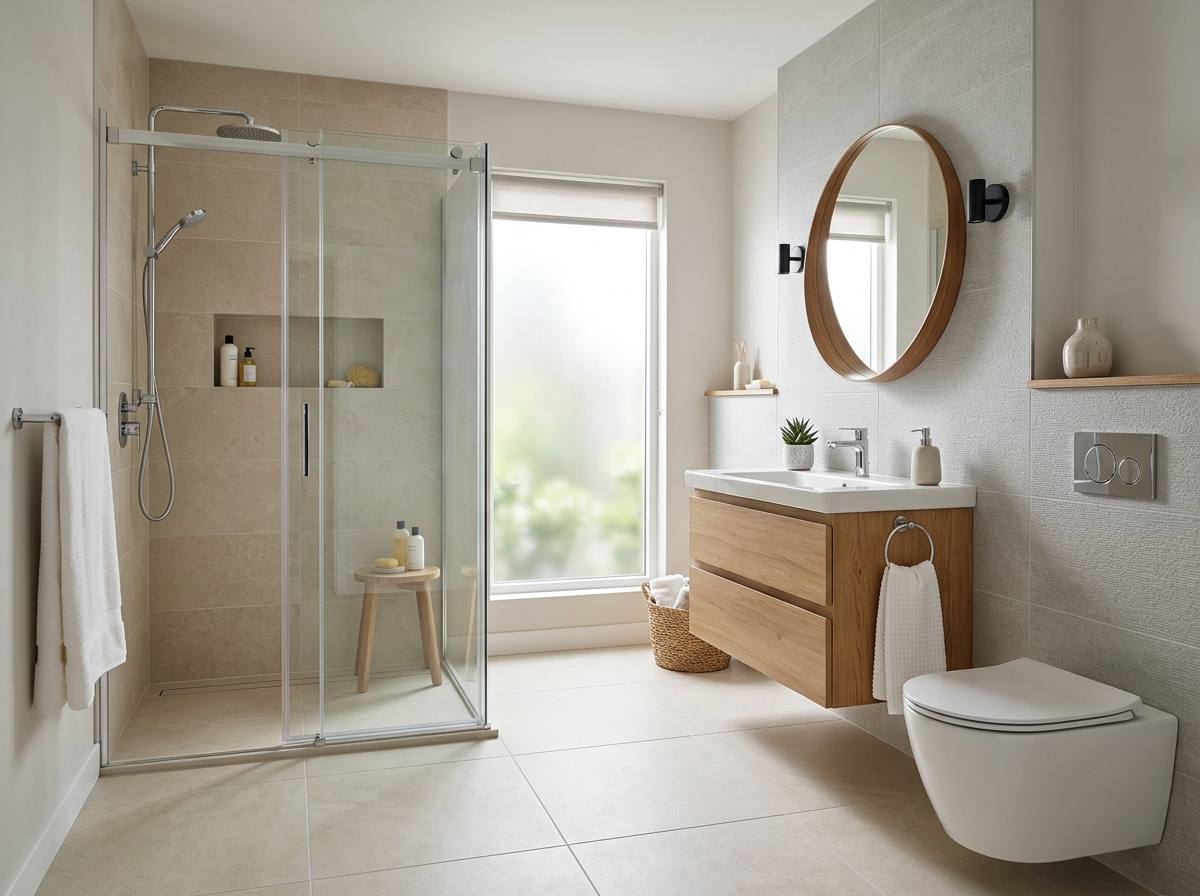
Are you ready to transform your bathroom but unsure how to project the costs? As one of the most technically complex rooms in a home, the bathroom requires meticulous financial planning. A well-structured budget not only prevents unexpected overruns but ensures that your investment stands the test of time.
Key Factors Influencing Renovation Costs
A bathroom renovation budget is typically split into two main pillars: labor and materials. Labor generally accounts for 25–60% of the total spend, while materials and furnishings make up the remaining 40–60%.
While the final investment depends on the square footage and the quality of finishes, most projects fall into one of three categories:
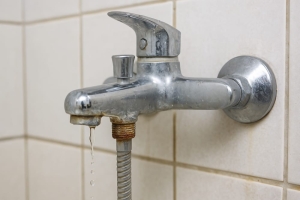
- Cosmetic Refresh: Focused on aesthetic updates like new faucets, mirrors, and lighting without disturbing the existing tiling.
- Mid-Range Renovation: The most common choice, involving new sanitaryware, fresh tiling, and modernized plumbing.
- Full Remodel/High-End Overhaul: A complete "down-to-the-studs" renovation that often includes changing the room's layout and installing underfloor heating.
Note that in Estonia, the average labor cost for bathroom tiling typically ranges from €26–69/m², excluding surface preparation and waterproofing.
Budget Breakdown and Investment Planning
To avoid mid-project surprises, it is essential to understand where your money is going.
- Fixtures and Ceramics (20–30%): This includes high-quality toilets, such as the Laufen Pro Combi-Pack, as well as washbasins and shower systems.
- Bathroom Furniture (15–25%): Moisture-resistant options are a must. Popular choices include the Cersanit Crea vanity unit, which offers a balance of style and durability.
- Finishing Materials (10–15%): This covers ceramic tiles and grouting. A critical rule is to always buy extra—order 10–15% more than your measurements suggest to account for cutting waste and batch variations.
- Technical Systems (approx. 20%): Electrical and plumbing work is the backbone of the room. Cutting corners here can lead to incredibly expensive repairs later.

Commercial Considerations: Durability and Maintenance
For hotel owners, office managers, and retailers, the priorities shift toward durability and long-term maintenance. High-traffic environments require materials that can withstand heavy use. In these settings, it is best to specify ceramic tiles with an anti-slip surface (rated R10 or R11).
For commercial projects, investing in products that guarantee a high-quality and lasting result is vital. Selecting brands with solid warranties and readily available spare parts minimizes the risk of operational downtime due to minor maintenance issues.
Understanding the Renovation Timeline
The timeline and budget are intrinsically linked; delays often lead to increased labor costs. A typical renovation follows these stages:
- Planning & Procurement: Selecting materials and calculating quantities.
- Demolition & Prep: Stripping the old space (usually 2–3 days).
- First-Fix Plumbing & Electrics: Setting the "behind-the-wall" foundation.
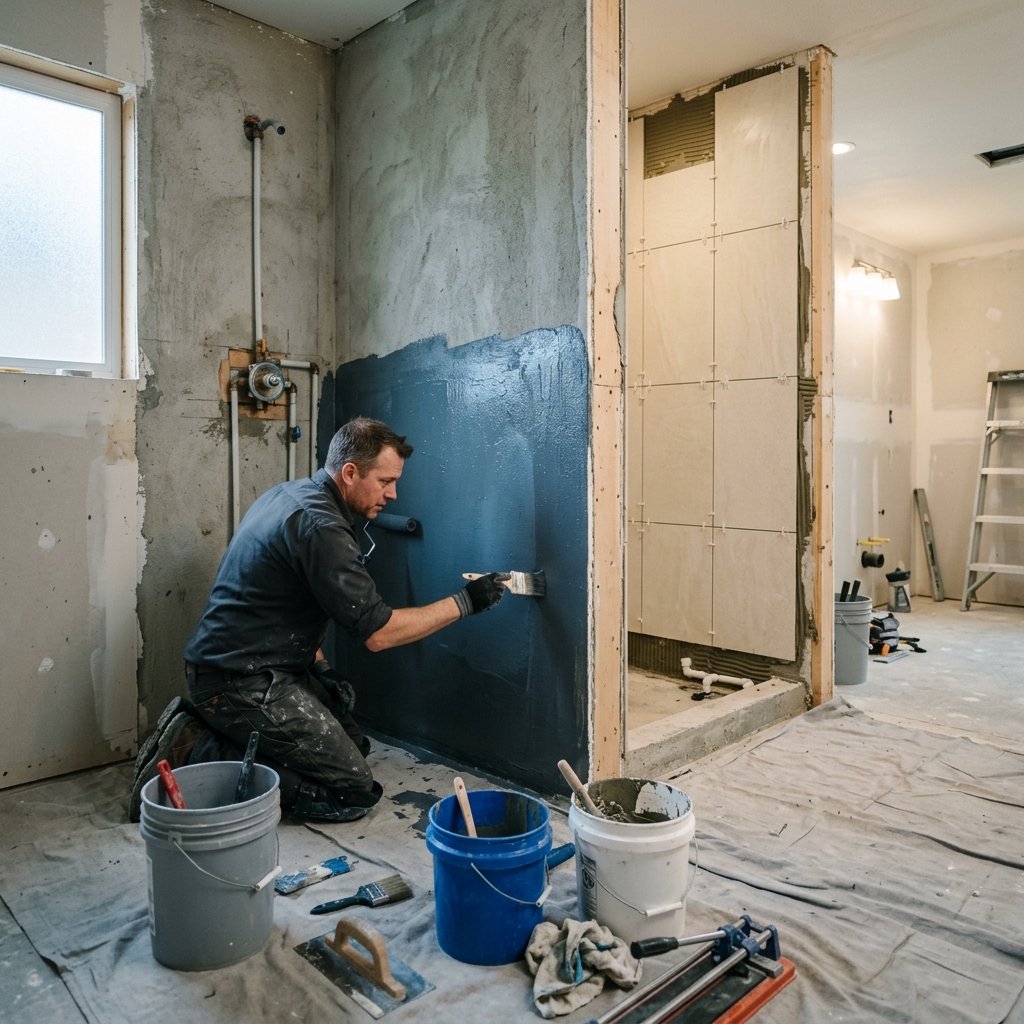
- Waterproofing & Tiling: The most critical stage for moisture protection. We recommend following a professional installation guide to ensure long-term integrity.
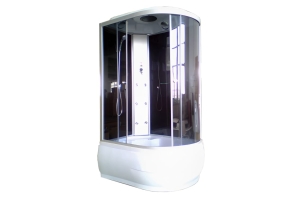
- Installation & Final Fit: Adding the Harma Alaska shower cabin, faucets, and cabinetry.
Managing Hidden Costs and Saving Smartly
Even with a precise plan, experts recommend a 10–15% contingency buffer. Hidden issues—such as damp subfloors discovered after demolition or the need for extra leveling compound—can quickly impact the bottom line.
Saving money doesn’t have to mean sacrificing quality. It is about strategic allocation:
- Mix and Match: Use affordable, timeless basics like white matte 20x20 wall tiles as a clean backdrop.
- Focus on the Floor: Make a visual impact with a high-quality grey 10x10 tile.
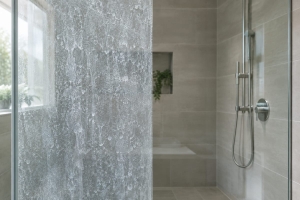
- Optimize Space: Select a durable and functional shower enclosure that maximizes the room's footprint.
By prioritizing high-quality materials and thorough preparation, your bathroom renovation will remain a valuable asset for years to come. Visit the Vipex showroom or browse our e-shop to find the right solutions and expert advice for your project.