


Outdoor Ceramic Tiles: Safety, Durability, and Installation
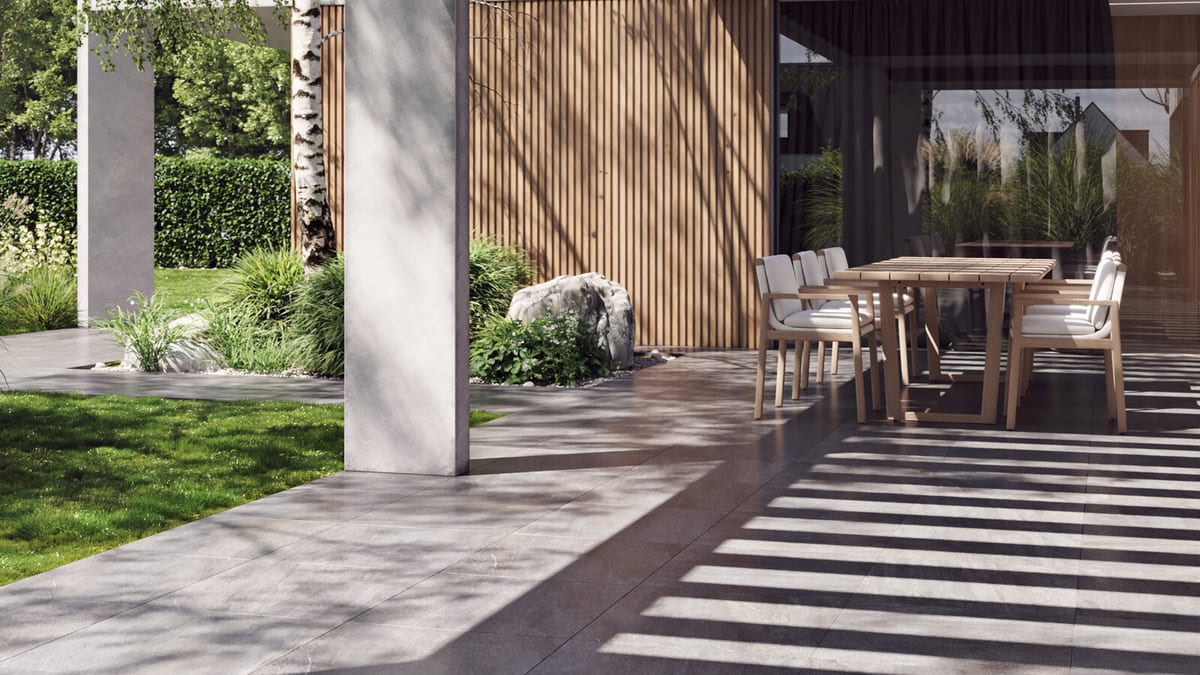
Can your outdoor living space handle the harsh realities of repeated freeze-thaw cycles? Choosing the right frost-resistant, slip-rated ceramic and porcelain tiles ensures your patio, terrace, and exterior stairs stay safe, structurally sound, and visually striking for decades.
Why Choose Ceramic and Porcelain Tiles Outdoors?
Modern outdoor living spaces are natural extensions of our interior floor plans. Whether designing a spacious patio, an open terrace, or a balcony, exterior-grade ceramic tiles have quickly become a go-to surface material thanks to their exceptional durability and design versatility. Unlike natural timber decking—which demands frequent staining and remains prone to rot, splintering, and UV fading—high-performance ceramics retain their finish with virtually no upkeep. Contemporary wood-look and stone-look tiles deliver the warm, organic aesthetic of natural materials without sacrificing weather resistance or structural longevity.
Outdoor tiles are specifically engineered to withstand dramatic temperature fluctuations and persistent moisture. While standard glazed indoor tiles perform well inside, exterior installations require materials rated for freeze-thaw cycles. Without this resistance, moisture penetrates the tile's internal pores, freezes, expands, and inevitably leads to surface spalling, hairline cracking, or complete debonding from the substrate.
Technical Requirements: Frost Resistance and Water Absorption
An exterior tile's longevity comes down to its density and porosity. Under industry benchmarks such as ANSI A137.1 and ASTM C373, tiles are classified by their water absorption rates. For exterior projects exposed to freezing weather, only impervious tiles with a water absorption rate below 0.5% should be specified. This ultra-low absorption rate is standard in porcelain stoneware, which is pressed and fired at high temperatures to eliminate microscopic voids.
To confirm frost performance, manufacturers subject tiles to standardized freeze-thaw testing (such as ASTM C1026). A tile is deemed exterior-grade only if it emerges from repeated freeze cycles with zero cracking, flaking, or structural degradation. Understanding how to prevent tiles from cracking in freezing temperatures comes down to specifying low-porosity porcelain and building a properly sloped, well-drained substrate.
Safety and Slip Resistance
Safety is just as critical as aesthetics, especially across exposed wet surfaces like patios, garden paths, and stairways. Slip resistance is commonly graded using the European "R" rating scale. For exterior residential and commercial spaces, tiles should feature an R11 rating or higher, or carry a dedicated textured exterior finish. This provides the grip needed underfoot during heavy rain, frost, or slush.
In addition to R-ratings, dynamic coefficient of friction (DCOF) is measured under ANSI A326.3 standards, which include dedicated Exterior, Wet (EW) performance categories. For high-traffic walkways and entryways, look for matte, textured options such as the Moon Grey 60x60 matt antislip ceramic floor tile or the Moon Dark Grey 60x60 matt antislip. For a comprehensive breakdown of traction grades, read our guide on what anti-slip tiles are and when you need them.
Versatile Applications: From Patios to Facades
Modern exterior tile collections go far beyond basic patio floors, offering versatile solutions for horizontal and vertical architectural surfaces alike.
Patios, Outdoor Kitchens, and Walkways
Porcelain and ceramic tiles excel in outdoor kitchens and entertaining areas because they resist grease, hot embers, stubborn stains, and frequent pressure washing. For heavy-duty settings, 20 mm thick porcelain pavers—such as the Rako VALS Pepper 60x60 floor tile—provide the load-bearing strength needed to handle heavy outdoor furniture and foot traffic when laid on a prepared gravel base, pedestals, or a concrete slab. Along garden paths, textured tiles create a seamless, slip-resistant transition from interior rooms to the landscape.
Exterior Stairs and Entrances
Outdoor steps endure heavy mechanical loads alongside direct weather exposure, making edge detailing and slip resistance vital. Best practice calls for purpose-made step tread tiles with bullnose edges or integrated traction grooves. Reliable choices include the QUARZIT 30x60 grey stair tile, the Rako TAURUS 76SC step tread tile paired with coordinating Rako TAURUS 76S floor tile, or the Rako VALS Natural step tread tile and Rako VALS Pepper step tread tile. These specialized profiles deliver a clean finish while significantly reducing trip and slip hazards.
Swimming Pools and Wet Areas
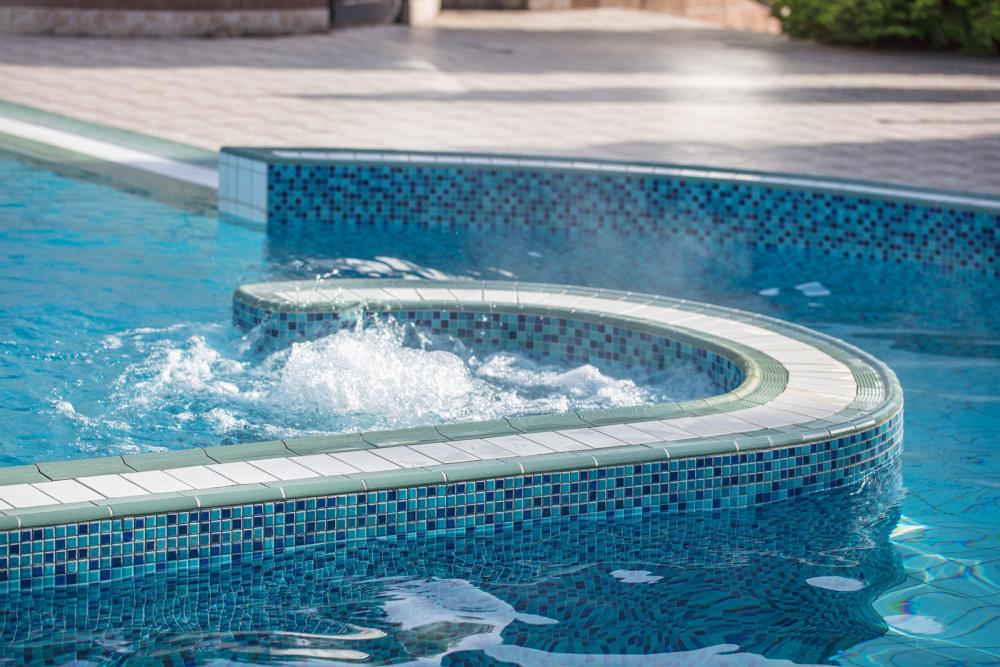
Porcelain and ceramic mosaics remain the gold standard for pool interiors and pool decks due to their impervious nature and resistance to pool chemicals. Mosaic formats are especially well-suited for pool basins, conforming easily to curved walls, benches, and sloped transitions. In submerged and continuously wet environments, installing a bonded waterproofing membrane and using high-performance, flexible grouts engineered for hydrostatic pressure are mandatory requirements.
Building Facades and Exterior Walls
Ceramic facade cladding shields the building envelope from UV degradation, wind-driven rain, and freeze-thaw damage. When integrated into a ventilated rainscreen facade system, ceramic panels improve the building's thermal envelope and overall energy efficiency. Beyond residential exteriors, tiles work exceptionally well for greenhouse floors, courtyard boundary walls, and outdoor feature accents.
Installation Guidelines and Long-Term Care
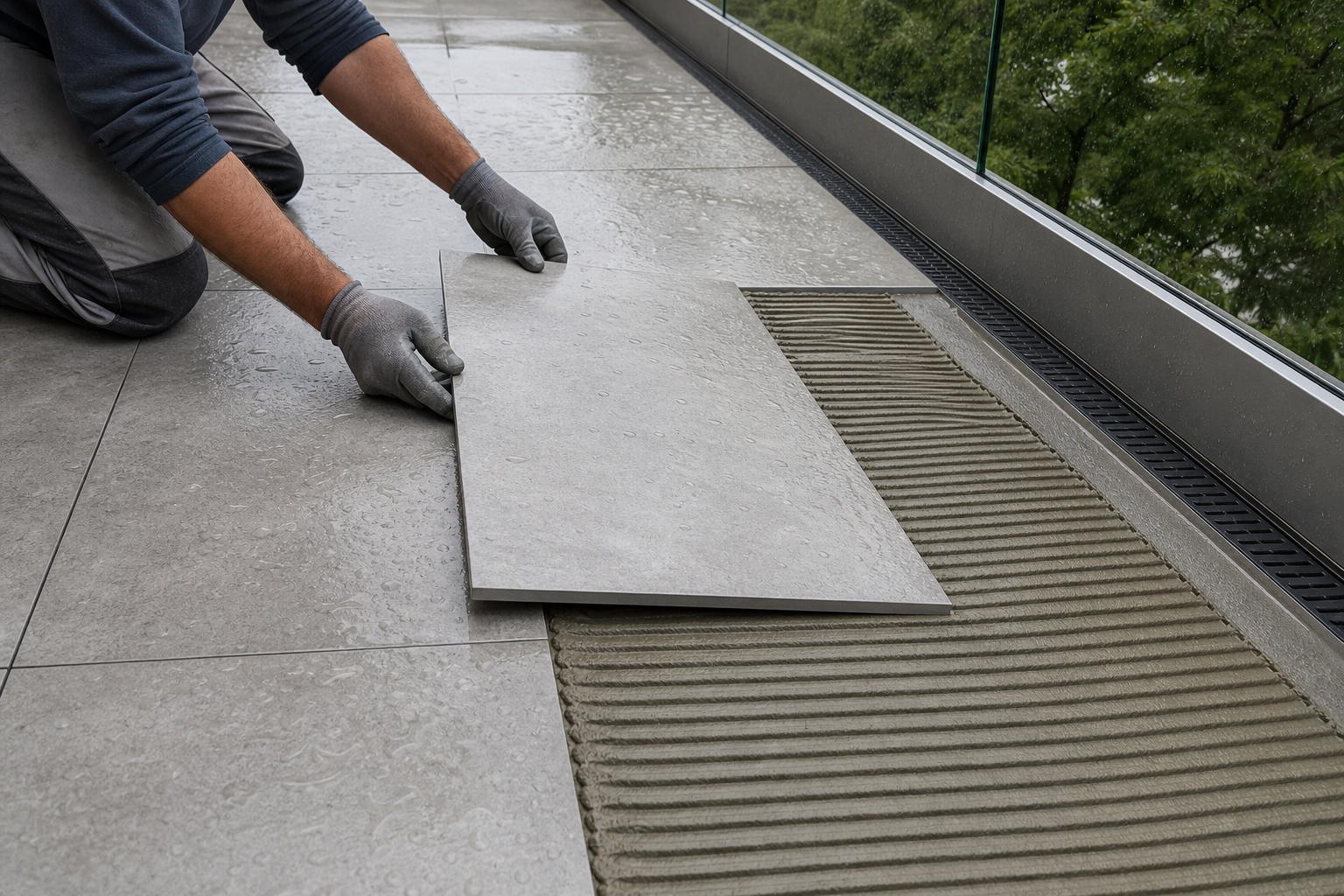
Even the highest-grade porcelain tile will fail if installed incorrectly. Long-term exterior performance depends on proper substrate preparation, water management, and adhesive coverage:
- Substrate Slope: Ensure a stable, fully cured concrete base with a minimum slope of 1% to 2% (approx. 1–2 cm per linear meter) pitched away from structures to guarantee positive drainage.
- Adhesive Coverage: Use a highly deformable, frost-resistant outdoor thin-set mortar (such as Ceresit CM-17). Apply mortar using the back-buttering method to achieve at least 95% to 100% solid adhesive coverage beneath every tile. Any hollow pockets under the tile will trap water, which freezes, expands, and breaks the bond.
- Waterproofing and Movement Joints: Apply a certified outdoor waterproofing membrane directly below the tile assembly. Incorporate expansion and movement joints every 4 to 5 meters across the slab, as well as along all perimeter walls and plane changes, sealing them with exterior-grade flexible joint sealants.
- Grouting: Use high-performance, water- and dirt-repellent grouts such as Ceresit CE-40 or CE-43 Aquastatic.
- Working Conditions: Only install tiles within the manufacturer's recommended temperature window (typically between 5°C and 25°C), keeping the working area protected from direct sun and wind.
When placing your order, always add a 10–15% overage allowance to account for cuts, layout waste, and future repairs from the same production dye lot. Review our guide on how to plan your ceramic tile purchase for helpful estimation tips, or refer to our complete ceramic tile installation and maintenance guide for detailed technical procedures.
Following installation and initial grout haze removal, protect the tile and grout joints with specialized impregnators (such as the Lithofin system). For winter maintenance, avoid metal-edged shovels or sharp tools that can scratch or chip tile surfaces; use plastic snow shovels instead. Regular cleaning with pH-neutral stone and tile cleaners will keep your outdoor living area looking pristine year after year.
With the right materials and sound installation techniques, your outdoor tile project will deliver reliable beauty and performance across all seasons. Browse our complete exterior collection online or visit the Vipex showroom to find the perfect tiles, adhesives, and finishing components for your project.