


The Art of the Minimalist Bathroom: Selecting Timeless Materials
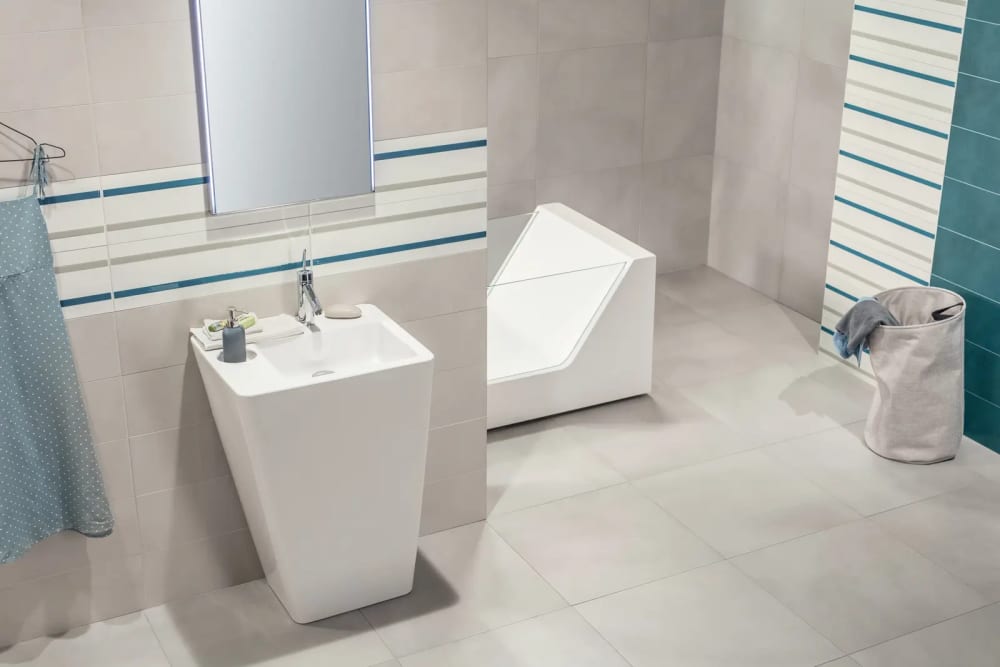
Minimalist design is often misunderstood as simply "less stuff." In reality, it is a deliberate orchestration of high-quality materials that work in synergy to create a space that feels expansive, functional, and effortlessly serene. Whether you are designing a private sanctuary, a luxury hotel spa, or a modern public space, the success of a minimalist bathroom hinges on the balance between aesthetics and everyday practicality.
The right surfaces do more than just define the look; they determine how the room breathes, how it handles moisture, and how easily it can be maintained over time.
The Shower Area: Where Function Meets Purity
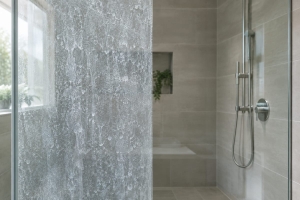
The shower is the most demanding environment in the bathroom. Constant exposure to water and humidity requires surfaces that are as resilient as they are beautiful. In minimalist design, the goal is to eliminate visual clutter—which often means reducing the number of grout lines.
- Large-format ceramic tiles are the gold standard for minimalist showers. By minimizing joints, they create a seamless appearance and make cleaning significantly easier.
- Matte finishes are highly practical, as they effectively conceal water spots and limescale that would be immediately apparent on high-gloss surfaces.
- Natural stone enthusiasts should prioritize dense, low-porosity materials such as granite or basalt. These are far more durable and easier to maintain than softer stones like marble.
- Maintenance Tip: All natural stone tiles in wet areas should be professionally sealed once a year to maintain their water-repellent properties.
Walls: Creating Elegance and Depth
A uniform wall surface serves as the backbone of the minimalist aesthetic. To maintain a sense of calm, it is best to avoid busy patterns or jarring color contrasts, opting instead for a cohesive, neutral palette.
Light-colored walls are essential for making smaller bathrooms feel airier and more open. For instance, a Matt White 30x60 ceramic wall tile provides a crisp, light-reflecting backdrop that feels timeless. To add character without overwhelming the senses, consider an accent wall featuring a subtle relief or a tactile, organic texture.
To achieve a truly high-end minimalist look, use the same material—or a closely matching color—for both the walls and the floor. This continuous flow blurs the boundaries of the room, creating a sophisticated, architectural feel.
Floors: Safety, Durability, and Scale
Bathroom flooring must bridge the gap between style and safety. In a minimalist context, the priority is to reduce "visual noise" by using larger tiles and matching grout.
- Slip Resistance: Look for an R10 slip-resistance rating to ensure the floor remains safe even when wet. A tile like the Moon Grey 60x60 matt antislip provides the perfect balance of safety and modern style.
- 2025 Trends: Current design directions are leaning toward large-scale imitations of natural stone, with onyx, travertine, and dark marble effects leading the way.
- Technical Note: When installing large-format tiles (38 cm or larger), always ensure a grout joint of 1.5–3 mm. This is a critical technical requirement to accommodate the material’s natural thermal expansion.
Countertops and Vanities: Streamlined Surfaces
For vanity tops, the focus should be on non-porous materials that can withstand daily use and cosmetic products. Quartz composite and granite are the premier choices for their durability and stain resistance.
To maintain clean lines, opt for undermount sinks. By eliminating the raised rim of the sink, you prevent dirt and water from pooling, making the vanity much easier to wipe down. For a touch of luxury, a White Beauty granite slab can serve as a stunning, durable centerpiece in an otherwise understated room.
Lighting and Atmosphere: The Final Layer
Minimalism doesn't have to feel cold or strictly white. Through the clever use of lighting and tonal variation, you can create a range of moods—from clinical purity to a warm, spa-like sanctuary.
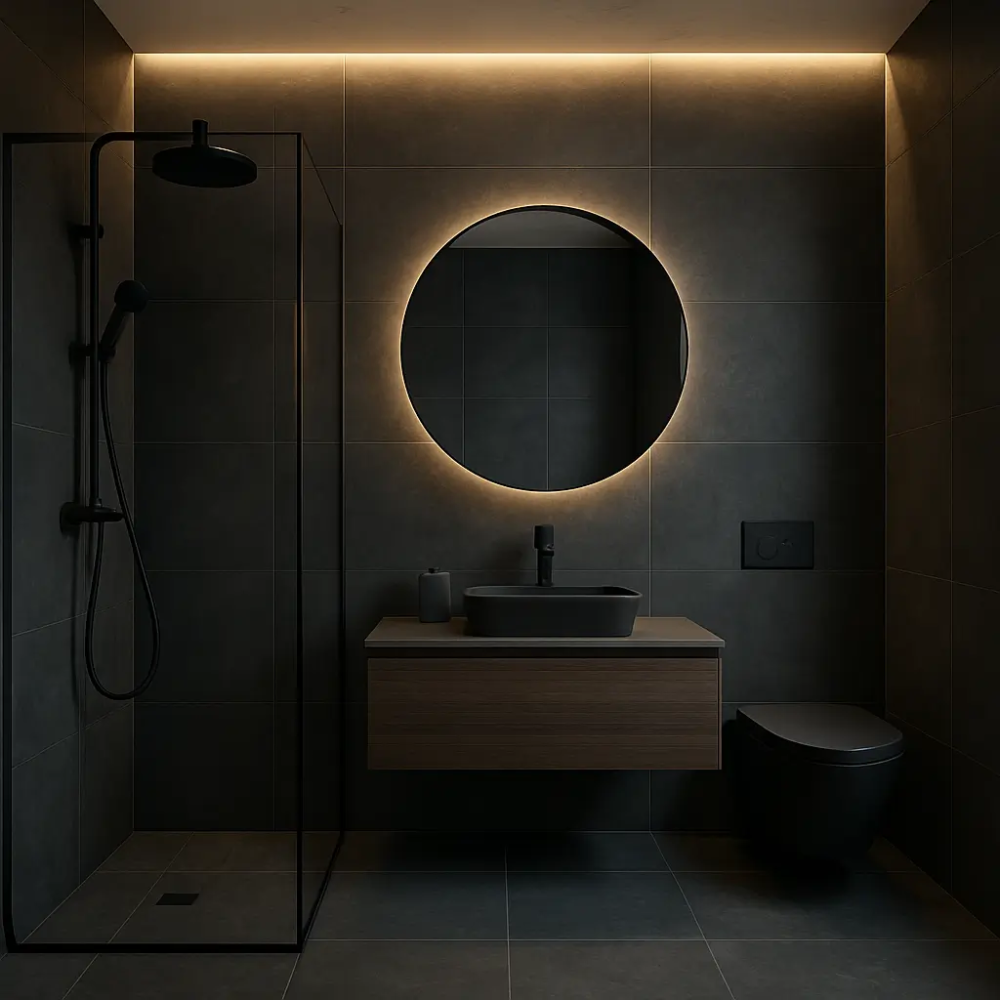
Bathroom lighting should be integrated and understated, ensuring all fixtures meet at least the IP44 moisture-resistance standard. Hidden LED strips tucked into niches or behind mirrors can highlight the texture of your tiles and add a sense of depth without adding clutter.
Planning Your Minimalist Retreat
The key to a successful minimalist renovation is meticulous planning and a focus on "hidden" functionality.
- Spatial Layout: Ensure there is a minimum of 53 cm of clearance in front of the toilet and sink for comfortable movement.
- Wall-Hung Furniture: Choose bathroom furniture that is wall-mounted. Keeping the floor clear creates an illusion of more space and makes cleaning the entire floor area effortless.
- Smart Storage: Invest in recessed cabinets or hidden storage to keep countertops free of bottles and toiletries.
- Long-term Care: To keep your materials looking new, use pH-neutral cleaners and a glass squeegee after every shower to prevent limescale buildup.
A minimalist bathroom is a long-term investment in both the value of your property and your daily well-being. By prioritizing high-quality ceramic tiles, durable natural stones, and a thoughtful layout, you create a space that will remain elegant and relevant for decades.
If you are ready to begin your bathroom transformation, contact the specialists at Vipex or visit our showroom. We are here to help you select the perfect materials that combine modern innovation with timeless design.