


How to Choose a Radiator: Heat Output, Types, and Installation
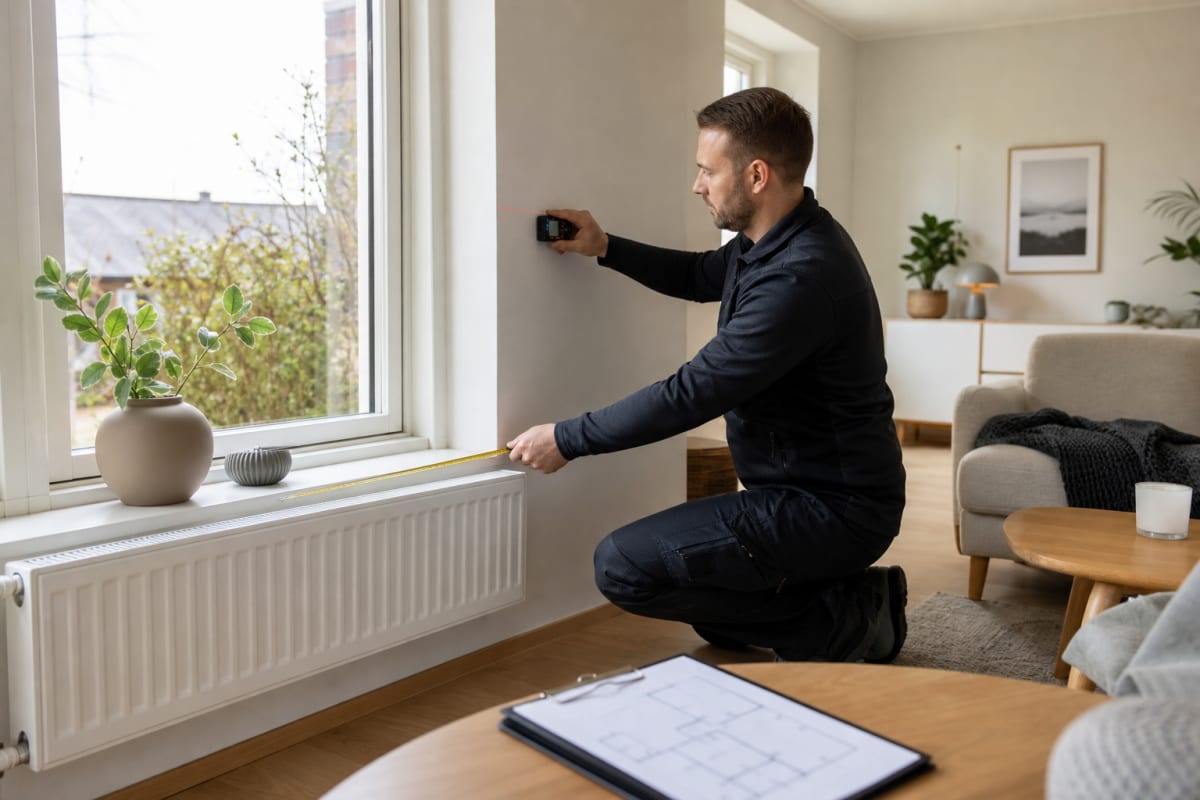
Are rising heating bills or stubborn cold spots making your home uncomfortable in the winter? Choosing the right radiator is essential for maintaining a pleasant indoor climate while keeping energy costs under control. To make the best choice, you need to factor in your room’s heat loss, the operating temperatures of your heating system, and the required heat output.
Calculating Heat Demand and Sizing
The first step when choosing a radiator is calculating the actual heat demand of the room. The required heat output depends on several factors: floor area, ceiling height, window dimensions, and the building's overall level of insulation.
Under the EN 442 standard, the nominal heat output of hydronic radiators is typically rated at ΔT 50 °C (a flow temperature of 75 °C, a return temperature of 65 °C, and a target room temperature of 20 °C). If your home runs on a low-temperature heating system—such as a heat pump operating with flow temperatures between 45 °C and 55 °C—you must account for a significant reduction in heat output:
- At operating temperatures of 55/45 °C (ΔT ≈ 30 K), a radiator will deliver only around 54% of its rated output.
- At operating temperatures of 45/35 °C (ΔT ≈ 20 K), heat output drops to roughly 33–35% of rated capacity.
Consequently, low-temperature systems require larger radiator surface areas or purpose-built low-temperature units to provide adequate warmth. For a broader overview of system design, explore our guide on how to choose the right heating system for your home.
Radiator Types: Convectors and Smart Storage Heaters
Modern heating equipment offers versatile solutions for primary heating as well as supplemental warmth, depending on how you use the space and what power sources are available.
Rapid Heating with Convector Heaters
When you need fast, flexible heating for intermittently used spaces—such as a home office, holiday cabin, or guest bedroom—a fan convector is an excellent option. The portable Elnur Gabarron CP TURBO 2000W convector heater features two heat settings (1250 W and 2000 W) and a built-in 24-hour timer, allowing you to tailor heating schedules to your routine.
Smart Storage Heaters
For electric heating, digital storage heaters offer the most effective way to rein in running costs. These units charge up thermal energy during off-peak electricity hours and release warmth gradually and evenly throughout the day. Equipped with Wi-Fi for remote mobile control, they can be easily installed without modifying your existing electrical wiring. For more tips on cutting consumption, read our guide on home heating system energy efficiency.
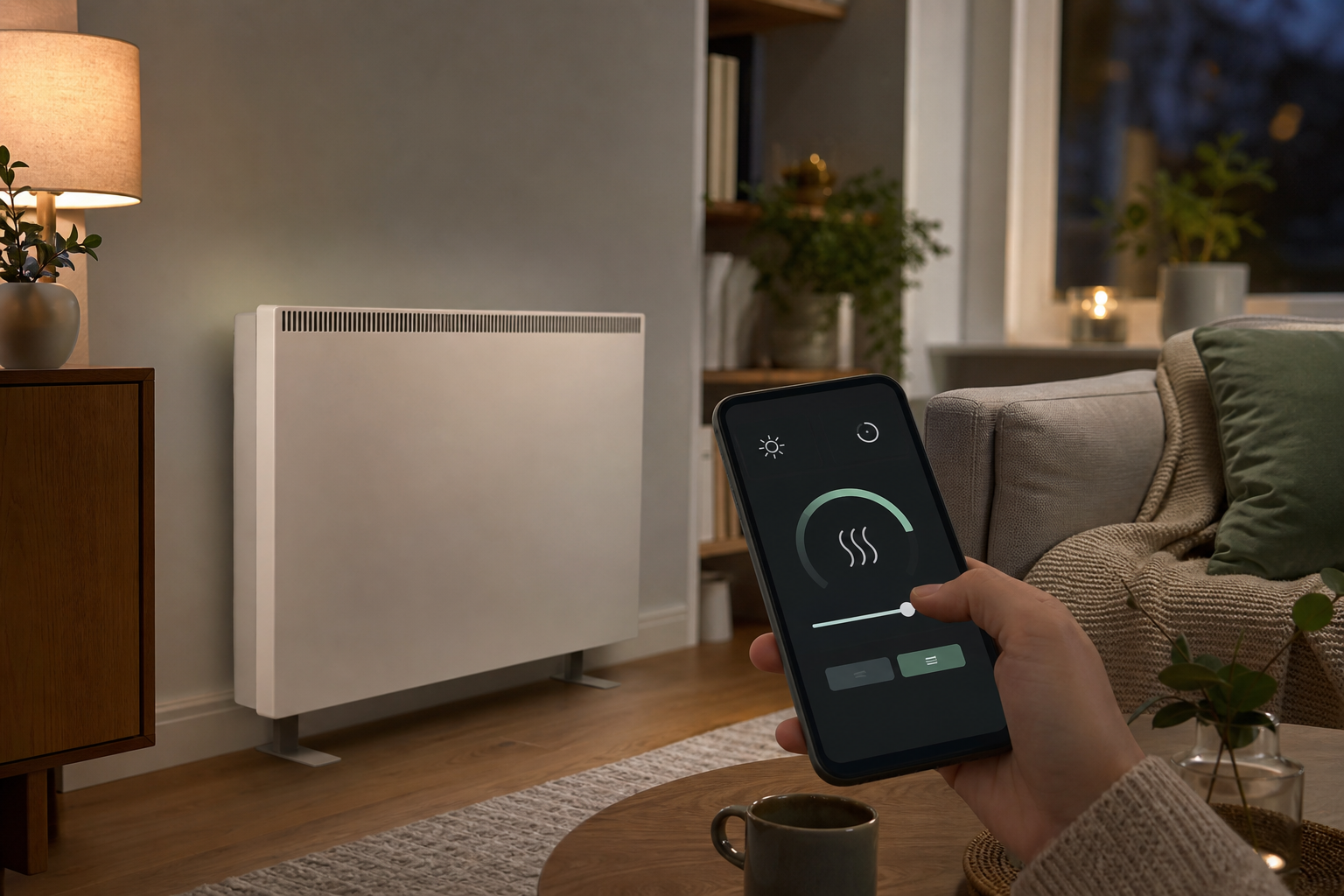
Vipex carries storage heaters tailored to spaces of all sizes:
- For small rooms and bedrooms: the compact ECOMBI ECO15 PRO digital smart storage heater (975W+350W), which stores 7.8 kWh of heat over an 8-hour charge cycle.
- For smaller living spaces: the ECOMBI ECO20 PRO digital smart storage heater (1300W+350W), delivering a storage capacity of 10.4 kWh over 8 hours.
- For balanced thermal performance: the ECOMBI ECO20 PLUS storage heater (1300W+350W), fitted with 8 dedicated thermal storage blocks.
- For medium-sized living areas: the ECOMBI ECO30 PRO digital smart storage heater (1950W+450W), offering 15.6 kWh of storage over 8 hours.
- For spacious, open-plan layouts: the ECOMBI ECO40 PRO digital smart storage heater (2600W+600W), holding up to 20.8 kWh over an 8-hour cycle.
Discover our full range in the radiators and storage heaters section.
How Radiator Materials Affect Thermal Performance
The material a radiator is built from has a direct impact on heat-up speeds and heat retention:
- Aluminium: Highly conductive and lightweight, aluminium radiators heat up almost instantly and respond rapidly to thermostat adjustments—making them an ideal match for modern low-temperature systems.
- Steel: The most popular choice for modern heating, offering durable construction, balanced heat delivery, and moderate thermal retention.
- Cast Iron: Exceptionally high in thermal mass, cast iron takes longer to reach operating temperature but continues to radiate warmth long after the system has shut off.
Radiator Placement and Installation Guidelines
Radiators perform best when installed in the coldest part of a room—typically beneath a window or along an external wall. This positioning creates natural convection currents: as cold air drops down the windowpane, it is immediately warmed by the radiator and circulated evenly across the room.
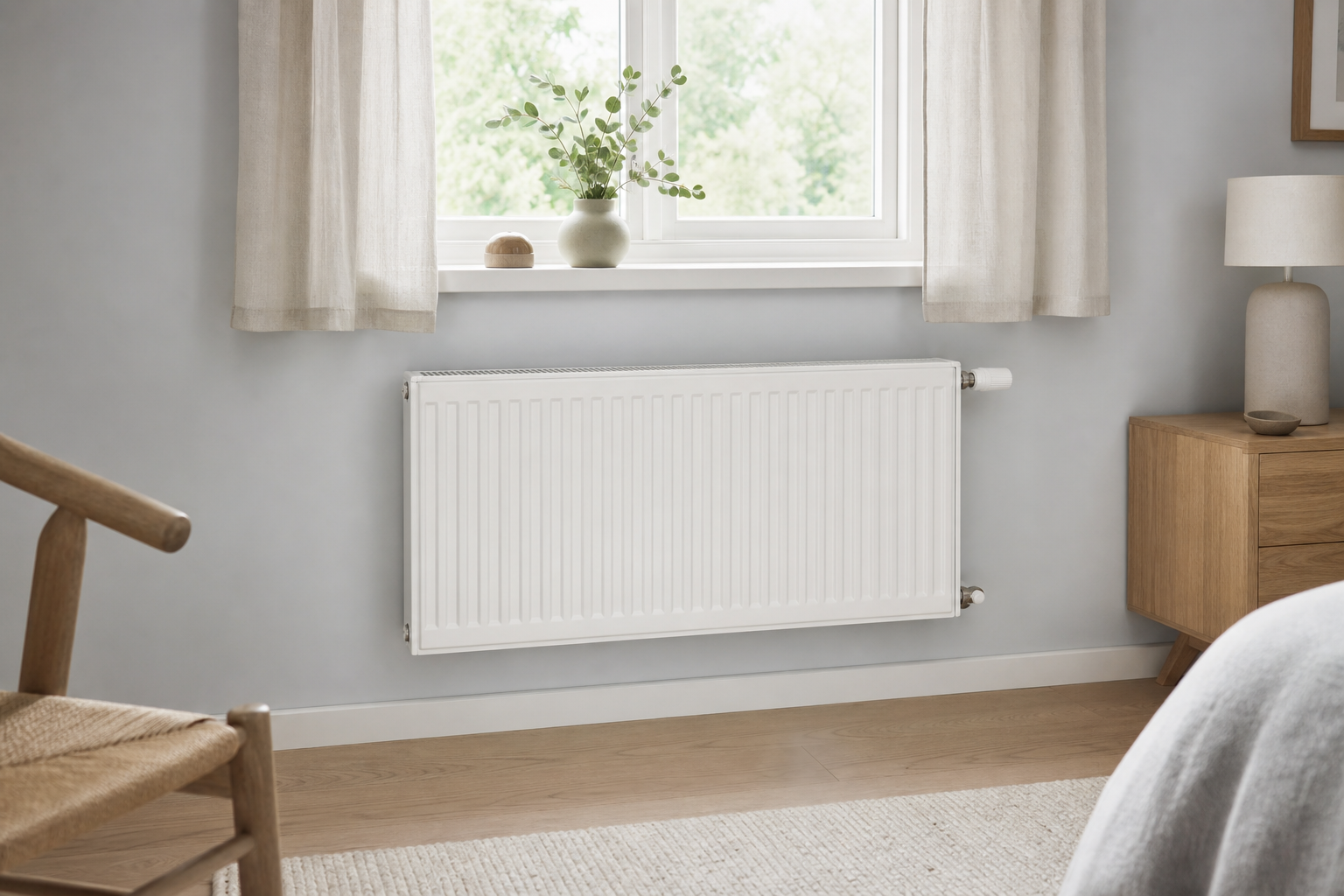
To ensure adequate airflow and peak heating efficiency, follow these practical installation rules:
- Floor clearance: Keep at least 100 mm of clearance between the bottom of the radiator and the floor to allow unobstructed air intake.
- Sills and covers: A wide windowsill directly over the radiator can reduce output by around 4%, while a decorative radiator cover can diminish performance by up to 15%.
- Curtains and drapes: Ensure curtains hang above the windowsill or maintain a gap of 15–20 cm between long curtains and the radiator to prevent warm air from being trapped against the glass.
Find the Ideal Heating Solution at Vipex
Proper radiator sizing and thoughtful placement are key to maintaining comfortable room temperatures while keeping your energy bills low. Browse our extensive range in the Vipex online store or stop by our showroom, where our heating specialists will be glad to help you choose the right setup for your home and heating system.