


Which Shower Tray Dimensions Are Right for Your Bathroom?
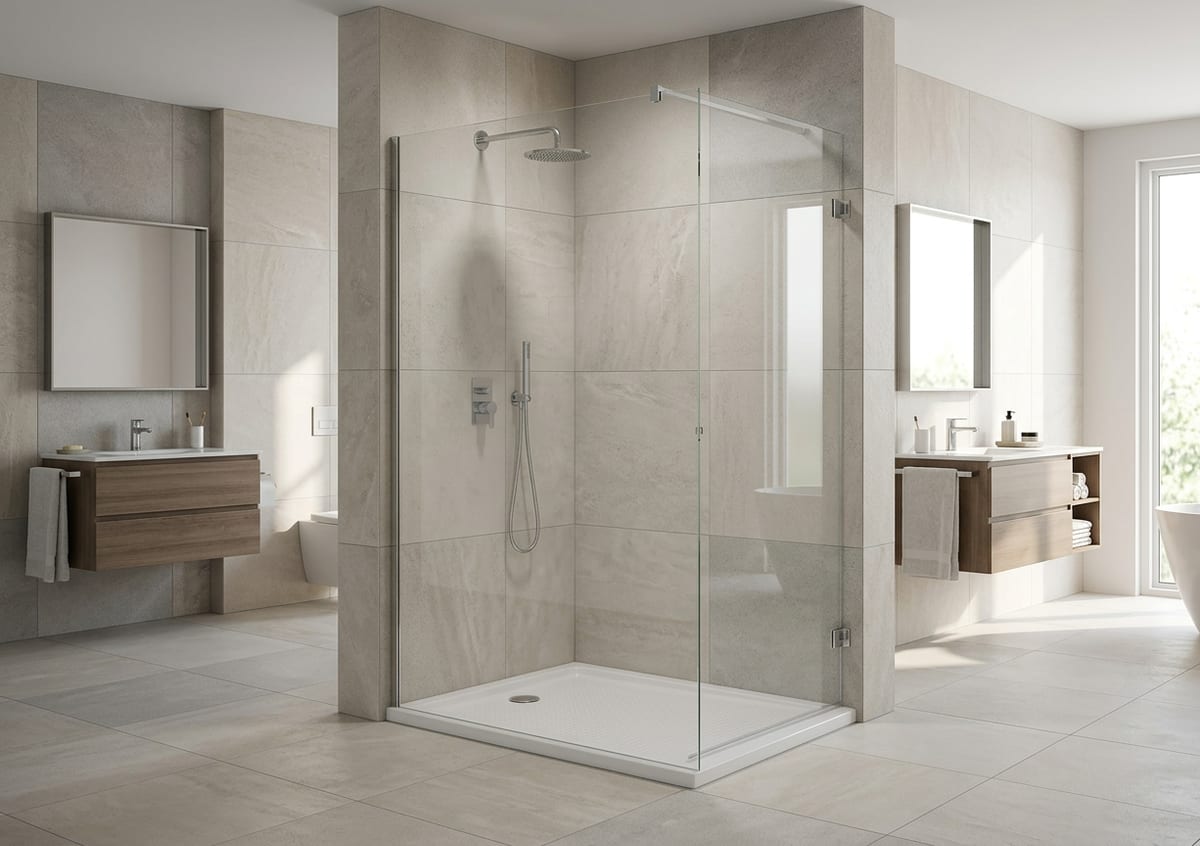
Did you know that choosing the wrong shower tray can turn your morning routine into an awkward daily obstacle course? Selecting the ideal size and shape is a crucial step in bathroom planning, directly impacting comfort, accessibility, and visual appeal for years to come. In this guide, we break down standard dimensions, profile heights, and layout strategies to help you find the perfect balance between floor space and everyday convenience.
Popular Dimensions and Space Planning
Planning your shower layout always begins with accurate measurements of the available floor area. While building codes may accommodate ultra-compact footprints, practical daily use requires sufficient elbow room. Standard shower trays are generally square or rectangular, offering clean lines and efficient proportions suitable for spaces of any scale.
Compact Solutions for Small Bathrooms
In compact bathrooms—typically 3–4 m²—every centimetre counts, making smart layout planning essential. The most popular choice for smaller spaces is an 80x80 cm shower tray, which delivers a solid balance between space efficiency and functional comfort. For instance, the Harma DNA09 curved shower tray tucks neatly into a corner to maximize surrounding circulation space. While 70x70 cm trays are available on the market, they can feel overly restrictive for daily adult use. For more inspiration on optimizing tighter layouts, explore our guide on designing a small bathroom.
Medium and Large Bathrooms
For medium-sized bathrooms (roughly 5–7 m²), upgrading to a 90x90 cm shower tray provides a noticeable boost in comfort. This has become the modern standard size because it offers enough room to shower without bumping into the glass walls or doors. Popular options include clean, geometric profiles like the square Harma DNA11 shower tray, the crisp white Harma SWD90, or the contemporary black Harma SBS90. If you want to soften the room's geometry, consider a corner-friendly model like the Harma DNA10 quadrant shower tray.
In larger bathrooms and master suites, spacious rectangular shower trays are a leading trend—often installed to replace an unused bathtub (read more in our comparison of a shower cabin vs bathtub). Generous dimensions such as 120x80 cm create a luxurious, spa-like feel. Models like the Harma DNA41 right-handed shower tray and the Harma DNA42 left-handed shower tray are well-suited for expansive walk-in layouts. Asymmetric 120x85 cm alternatives, including the right-handed Harma DNA06 and left-handed Harma DNA07, offer extra room where you need it most while preserving open walkways.
Matching Tray Shape and Layout to Your Bathroom
The shape of your shower tray plays a major role in traffic flow and everyday ergonomics. Your selection should align with whether you are installing the enclosure in a corner, an alcove, or against a flat wall. For detailed recommendations, see our guide on choosing the right shower enclosure for your bathroom.
- Square trays provide a classic, versatile footprint that fits comfortably in corners or three-sided alcoves; browse our complete collection of shower enclosures for compatible options.
- Rectangular trays are the premier choice for tub-to-shower conversions, matching conventional bathtub dimensions and providing plenty of room to move freely.
- Curved and quadrant trays are purpose-built for corner placement, featuring a rounded front edge that frees up floor space and streamlines movement through the room.
- Neo-angle (pentagonal) trays add a sleek, modern architectural accent, maximizing internal standing area while minimizing external bulk.
Low-Profile vs. Deep Shower Trays
Tray height is both an aesthetic and a practical consideration. Low-profile (slimline) shower trays sit just a few centimetres above the floor or flush with the tiles, creating a clean, barrier-free look that eliminates trip hazards. They are a core component of accessible, multi-generational bathroom design—discover more practical tips in our guide on creating a safe bathroom for seniors. When fitting a low-profile tray, proper subfloor preparation is essential; be sure to review our best practices for bathroom waterproofing under tiles.
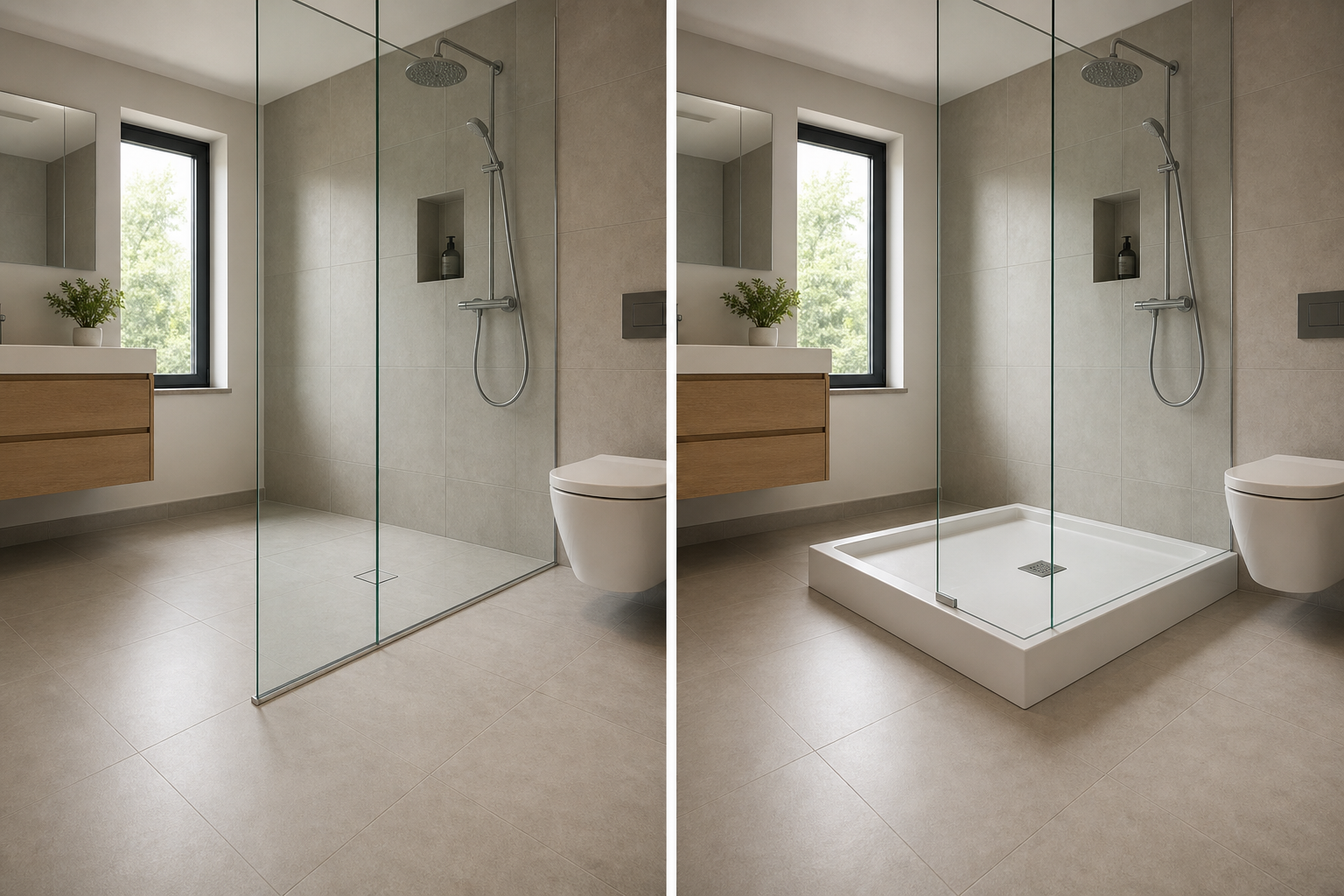
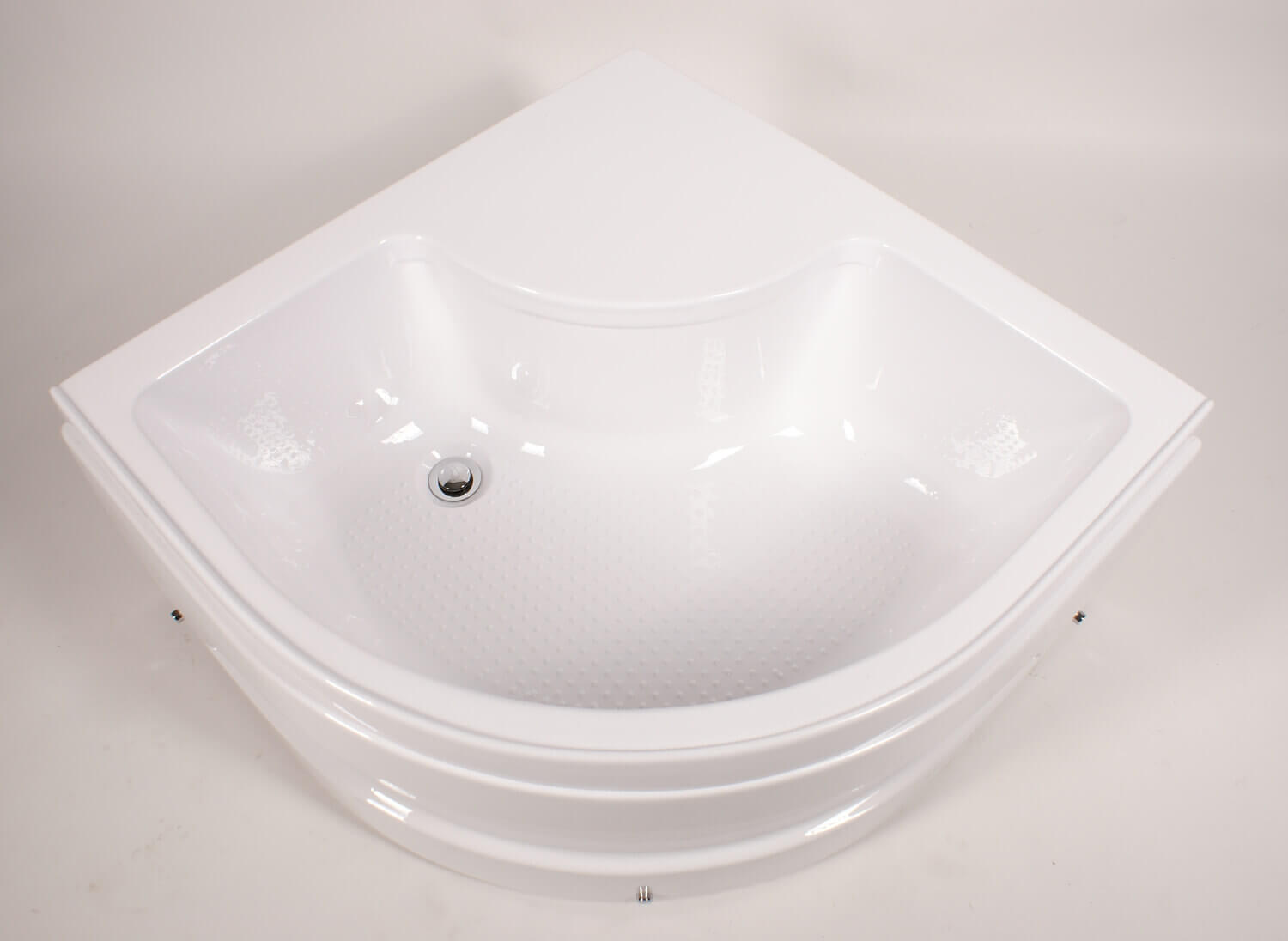
By contrast, deep shower trays function much like mini-tubs. They are particularly practical for bathing small children, washing pets, or hand-washing laundry. A product like the Harma DNA08 deep shower tray features high sidewalls that keep water reliably contained and simplify drain plumbing without the need to recess pipework into the subfloor.
Materials and Durability
Investing in a premium shower tray ensures years of dependable performance and easy maintenance. The material you choose dictates overall longevity, thermal comfort, and resistance to scratches or impacts:
- Sanitary acrylic remains the most popular option thanks to its lightweight construction, natural warmth underfoot, and non-porous, easy-to-clean finish.
- Cast stone and marble conglomerate offer a high-end, solid feel with exceptional structural rigidity. Trays like the Radaway Kyntos F marble conglomerate shower tray maintain their form perfectly under heavy use and resist thermal fluctuations.
- Glazed ceramic delivers a timeless, ultra-hard, scratch-resistant surface, though it is heavier and requires a stable, level subfloor. To enhance safety underfoot, learn more about what slip-resistant tiles are and when you need them.
When finalizing your bathroom plan, do not forget door clearance. Standard hinged shower doors generally require 75–85 cm of unobstructed clearance in front of the enclosure. If space is tight, consider self-contained shower cabins or sliding doors to preserve valuable floor area.
Choosing the right shower tray lays the groundwork for an attractive, practical, and long-lasting bathroom. Browse the complete selection of shower trays in the Vipex online shop, or visit our showroom to bring your vision for the ideal shower room to life.