


Essential Outdoor Furniture Care: How to Prepare for Winter
Improper storage can ruin the appearance of premium outdoor furniture in just one season. Moisture, mildew, and the relentless cycle of freezing and thawing are the primary threats to your exterior decor. Whether you are maintaining a private garden set or outfitting a commercial restaurant patio, a proactive maintenance routine is the only way to ensure your investment lasts.
High-quality outdoor furniture represents a significant long-term investment that requires dedicated care, particularly before the first frost hits. Just as you would select frost-resistant ceramic tiles to prevent a patio surface from cracking, your furniture needs a strategic protection plan to survive harsh winter climates.
Deep Cleaning: The Foundation of Longevity
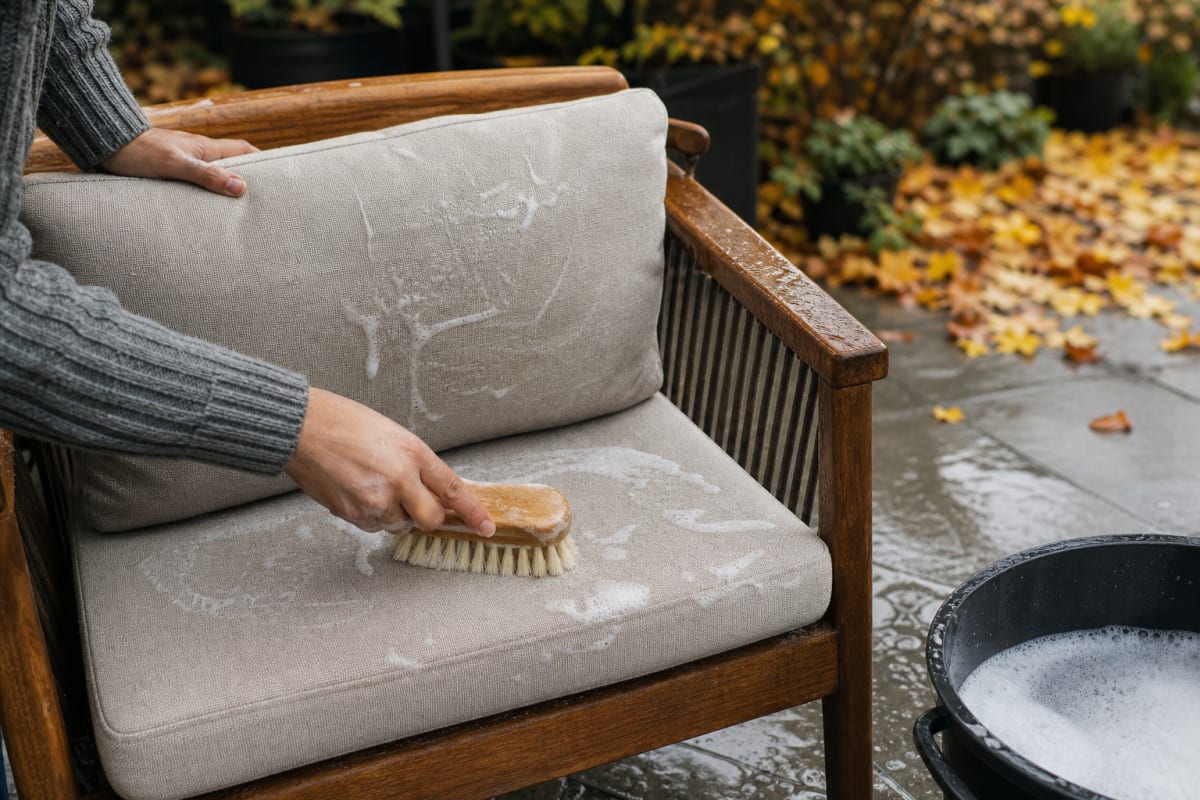
Before storing your furniture for the winter, a thorough cleaning is non-negotiable. Dirt, pollen, and organic debris accumulated over the summer can settle into the material. When temperatures drop, this residue can cause permanent staining or become a breeding ground for mold.
- Use gentle cleaning agents: For most materials, a mixture of lukewarm water and mild soap or a neutral dish detergent is all you need.
- Avoid harsh chemicals: For painted or metal surfaces, stay away from abrasive cleaners and bleach, as these can strip away protective coatings.
- Rinse and dry completely: After washing, rinse the furniture with clean water and allow it to air-dry fully. Trapping moisture under a cover is a guaranteed way to invite mold and mildew.
Material-Specific Maintenance
Different materials react to cold and moisture in unique ways. For commercial clients managing heavy-duty furniture, following material-specific care protocols is essential.
Wooden Furniture
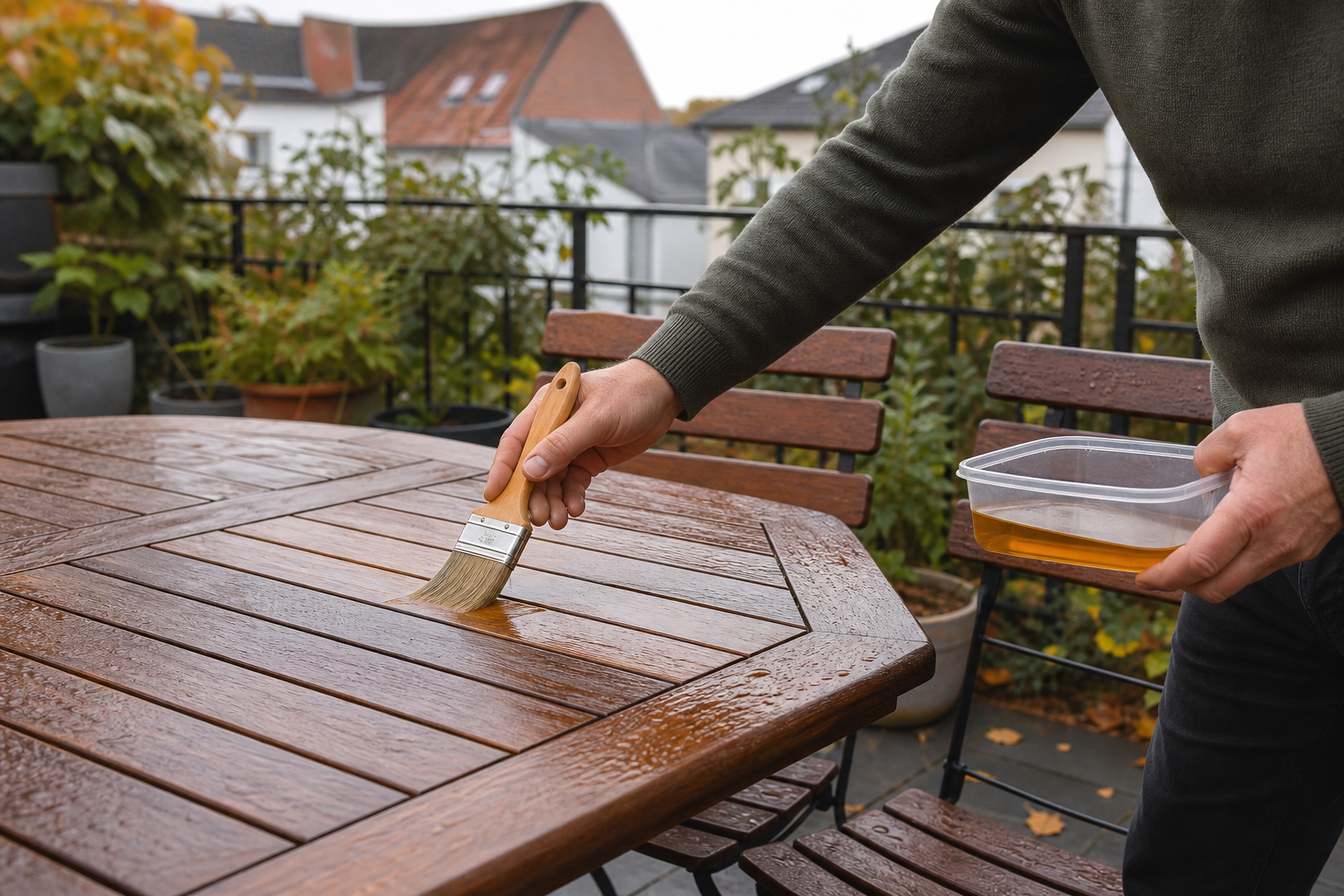
Wood is a "living" material that naturally expands and contracts according to humidity levels. Clean wooden pieces with a soft brush, always working in the direction of the grain. If water no longer beads on the surface but instead soaks into the wood, it is time to apply a fresh coat of wood oil or a protective sealant. This treatment prevents the wood from drying out and cracking in the winter frost while providing a vital barrier against rot.
Metal and Aluminum
Aluminum products, such as the Vipex Home A005 outdoor chair, are naturally resistant to corrosion, yet they still require a pre-winter inspection. Check all joints and look for deep scratches. If you spot rust on steel components, remove it with fine-grit sandpaper and touch up the area with metal-safe paint before the wet weather begins. A quick wipe-down with a universal cleaner is also recommended to remove grease or bird droppings.
Wicker and Plastic
While synthetic rattan (resin wicker) handles temperature swings well, it can become brittle in extreme cold. To extend the life of pieces like the Vipex Home A007 outdoor table, it is best to move them indoors or under a shelter. Plastic furniture should be hosed down or pressure-washed before storage; if dirt is left on the surface, it can become "etched" into the material during freezing temperatures, making it nearly impossible to remove in the spring.
Winterizing Cushions and Textiles
Soft components and cushions are the most vulnerable to moisture damage. Before putting them away, beat out any dust and clean them with lukewarm water and a soft brush.
- Ensure total dryness: To prevent mold from forming inside the filling, cushions must be bone-dry all the way through before storage.
- Opt for ventilated storage: Store textiles in a dry, well-ventilated area such as a garage or a shed.
- Avoid airtight plastic: Never use sealed plastic bags for storage. These trap moisture and create a greenhouse effect that leads to heavy condensation and rot.
- Refresh the protective layer: Once cleaned and dried, consider applying a specialized fabric protector to restore the material’s water and stain-repellent properties.
Strategic Storage and Covers
If you don't have the indoor space to store your furniture, high-quality covers are your best defense. Choose covers made from durable, waterproof, yet breathable fabrics. Avoid wrapping furniture tightly in plastic wrap, as this creates a moisture trap that will damage both the furniture and the cover itself.
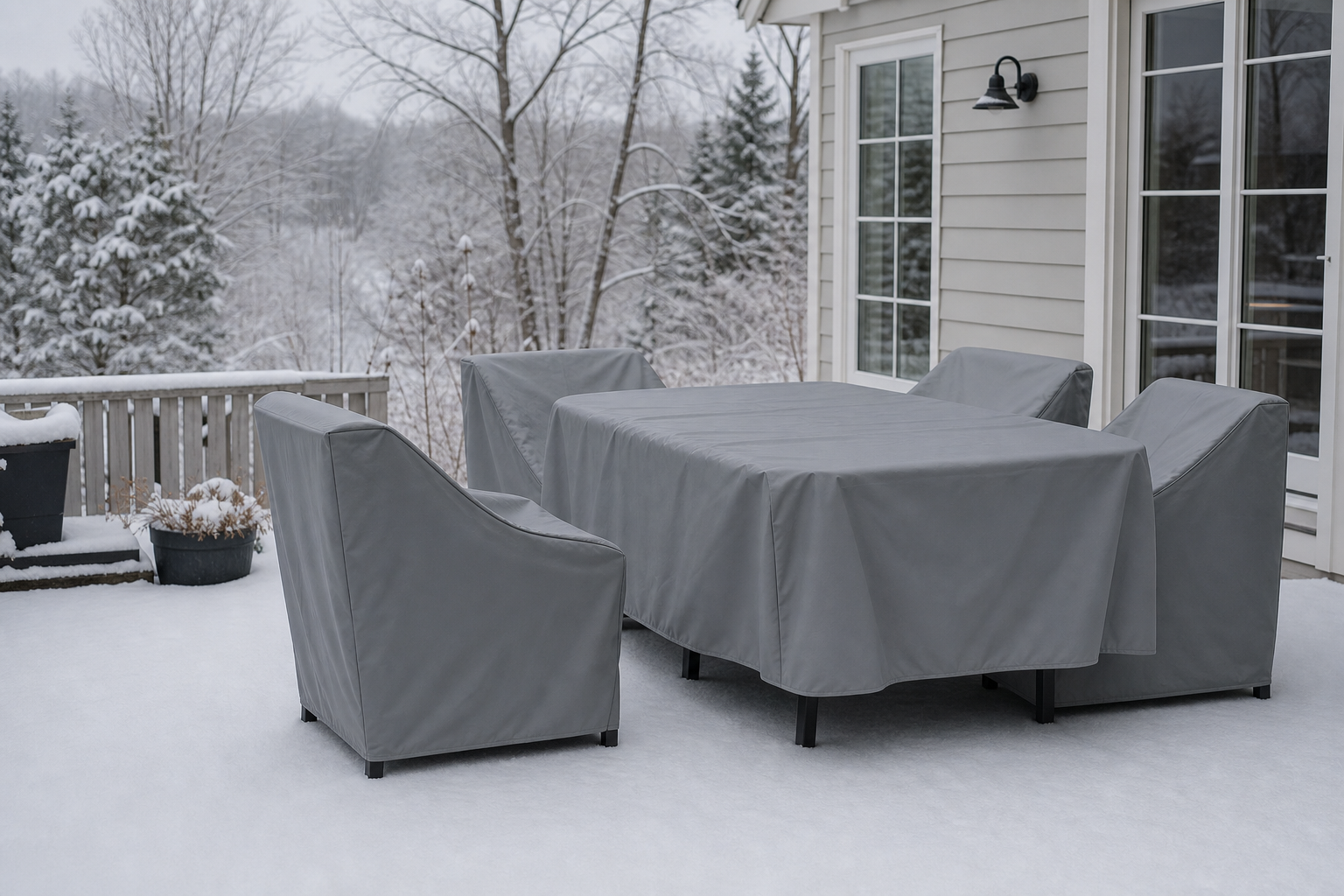
The logic here is the same as preventing tiles from cracking in the cold: water that seeps into joints and freezes will expand, causing permanent structural failure. Whenever possible, elevate your furniture slightly off the ground (using pallets, for example) to keep the legs from sitting in snow or standing water.
Consistent maintenance and proper winterization save significant time and money in the long run, ensuring your outdoor lounge remains in professional condition for years to come. If you are looking to upgrade your terrace with durable, high-end solutions, you can find a wide selection of stylish options in our collection.
Explore the Vipex Garden & Leisure range to find premium furnishings built to last.