


How to Install Glass Blocks: A Practical DIY Guide
Looking to brighten a dim room without sacrificing privacy? Glass blocks offer an elegant, practical solution for building sturdy partition walls and custom shower enclosures. This step-by-step guide will walk you through the entire installation process so you can achieve a clean, professional finish.
Choosing an Installation Method: Mortar or Adhesive?
Before you begin, choose the installation system that best fits your space, structural requirements, and DIY skill level. For design ideas and layout inspiration, check out the resurgence of glass blocks in modern design.
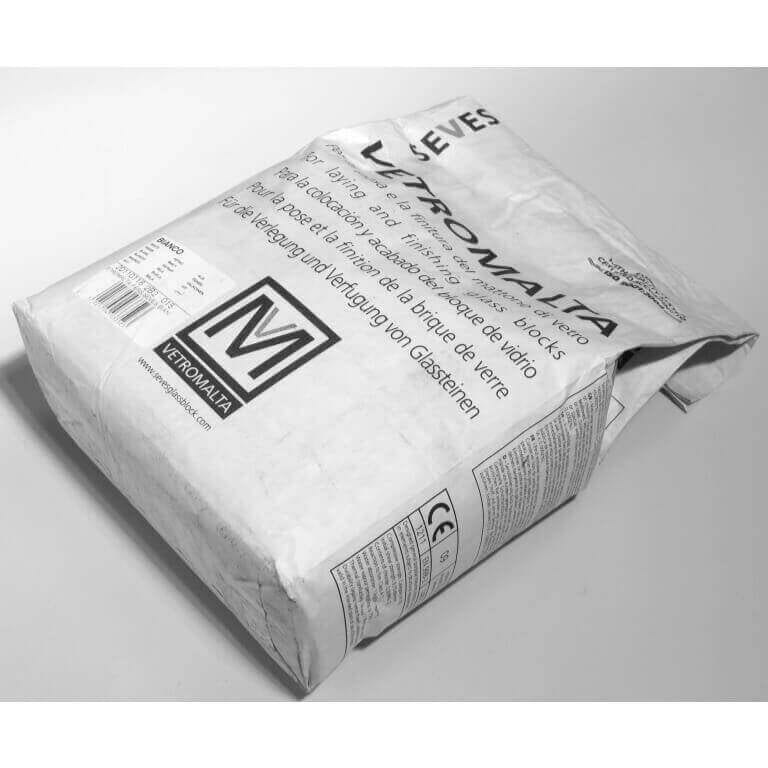
- Traditional mortar installation is the strongest method and works well for both interior and exterior applications. It uses a specialized white glass block mortar that creates a rigid, moisture-resistant bond throughout every joint. This makes it the go-to option for walk-in showers, bathrooms, and other wet zones.
- Track and adhesive systems, such as Seves Quicktech, are designed for quick, mess-free indoor DIY projects. Instead of mortar, these systems use prefabricated PVC spacer profiles and specialized adhesive. While flexible and vibration-resistant, they are intended primarily for non-structural interior feature walls up to 4 m² and should not be used near intense heat sources.
Tools and Materials Needed
A durable installation starts with quality materials. Depending on the method you choose, make sure you have the following on hand:
- Glass blocks from Vipex's glass block collection, such as the patterned Wave 1908/W wavy glass block, the high-clarity Seves Alpha glass block, or the frosted Sahara white smooth matte glass block.
- Glass block mortar or specialized structural adhesive.
- Glass block spacers to ensure consistent joint widths.
- Reinforcing rods or ladder wire reinforcement for horizontal and vertical stability.
- Tape measure, spirit level, and trowel.
- Grout sponge and a soft rubber mallet for tapping blocks into position.
Step-by-Step Installation Process
Installing glass blocks demands patience and precision. Because glass blocks cannot be cut, opening dimensions must be calculated precisely beforehand. Keep in mind that glass block walls are self-supporting but strictly non-load-bearing. For the best results, work in an ambient temperature range of 5 °C to 30 °C.
Planning and Preparation
Measure your opening and calculate how many blocks you need, factoring in roughly 6–10 mm per joint on top of the blocks' nominal dimensions. The subfloor or base must be structural, clean, dry, and completely level. If you are building in a shower or bathroom, review how glass blocks perform in bathrooms and apply the necessary waterproofing to the substrate first.
Laying the First Course
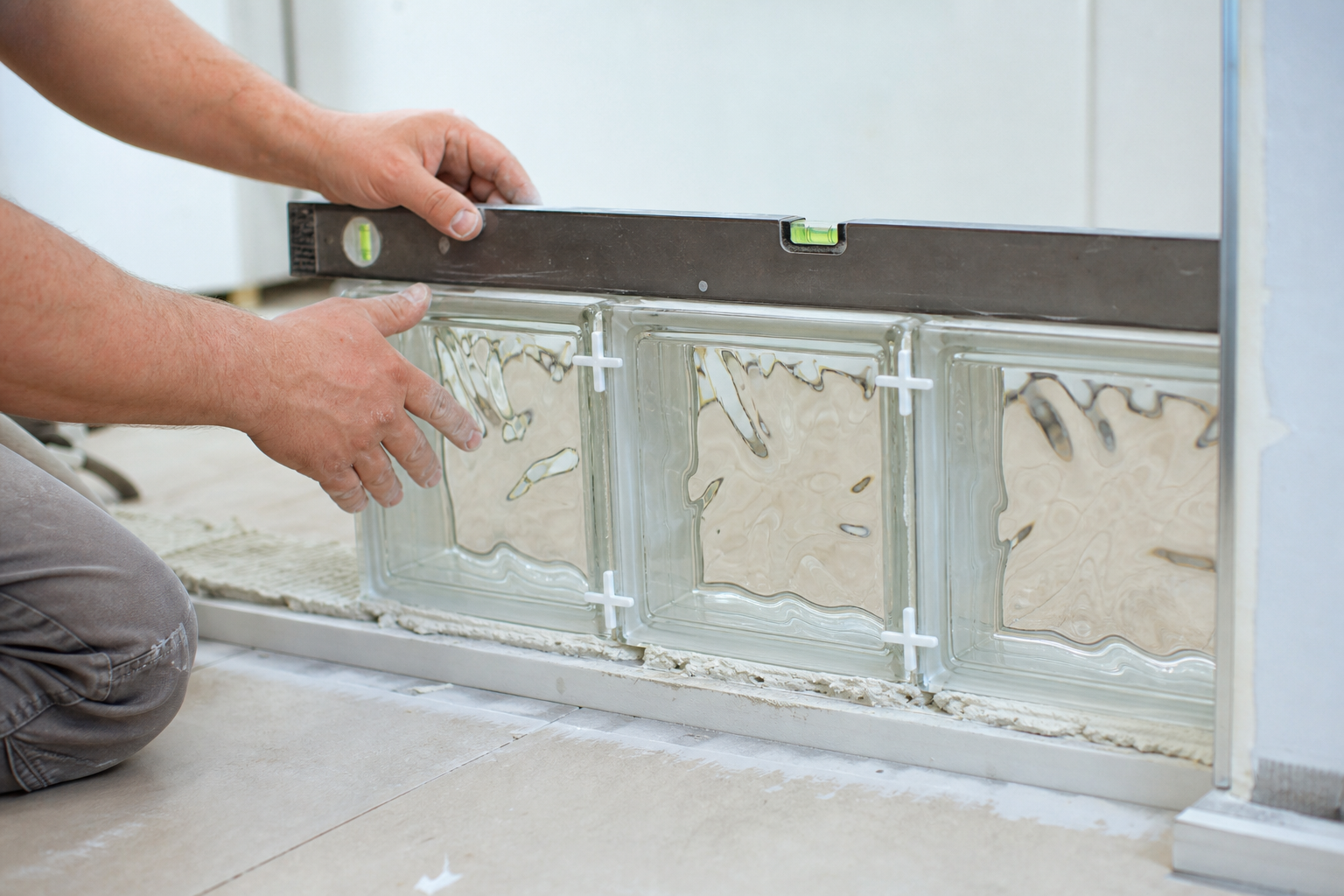
Spread an even bed of mortar roughly 10 mm thick along the base. Clean any dust from the edges of each block, set the first unit into the mortar bed, and check that it is plumb and level. Position spacers to guarantee consistent joint spacing, and butter the vertical edge before placing the next block. Take your time with this initial row—the alignment of the first course dictates the accuracy of the entire wall.
Building and Reinforcing the Wall
Continue laying subsequent courses, checking both horizontal level and vertical plumb with a spirit level at every step. To guarantee structural stability, embed horizontal reinforcement rods every two courses and anchor them into the adjacent perimeter wall. Any wall area over 1.1 m² requires reinforcement to prevent cracking and shifting over time.
Finishing and Grouting
Let the mortar cure for 24 to 48 hours. Once the wall is set, snap off the exposed spacer tabs and pack the joints with grout. Wipe down the glass faces with a damp sponge before the mortar or grout has fully dried, as cured mortar residue is difficult to remove without scratching the glass.
Advantages of the Quicktech System
If you want to avoid mixing wet mortar, the Seves Quicktech system provides a fast, dry alternative. By combining precise spacer tracks with high-strength adhesive, it lets you construct sleek, modern partition walls with minimal dust and cleanup. For more layout possibilities, read our overview of the versatile applications of glass blocks.

Frequently Asked Questions About Glass Block Installation
- How long does it take to build a glass block wall? Installation time varies with the size and layout of the wall. On average, laying a single course takes about 10–15 minutes. Completing a full wall, including drying and grouting times, typically takes between several hours and a full weekend.
- Can a beginner install glass blocks? Yes. With careful planning, proper tools, and adherence to the step-by-step guidelines, a competent DIYer can achieve great results. The key is working methodically course by course while checking for level and plumb continuously.
- Do glass block joints require special maintenance? In wet environments, joints should be cleaned periodically with a mild detergent to prevent limescale and mold buildup. Inspect the grout lines from time to time for hairline cracks or wear.
- Are glass blocks fire-rated, and can they meet EI30 requirements? Standard clear blocks typically provide an E60 fire integrity rating. If your project specifically demands an EI thermal insulation rating, you will need a certified fire-rated product like the EI30 1919/10 30F fire-resistant glass block. To maintain certified fire ratings, the installation method, mortar, and reinforcement must follow the manufacturer’s specifications to the letter.
Glass blocks offer an enduring way to bring daylight and privacy into any interior. If you are weighing different translucent surfaces, explore our comparison of glass blocks vs. glass tiles. You can also read our comprehensive guide on how to choose glass blocks and browse the full Vipex product line online or at our showroom!