


How to Choose the Right Shower Enclosure for Your Bathroom Size
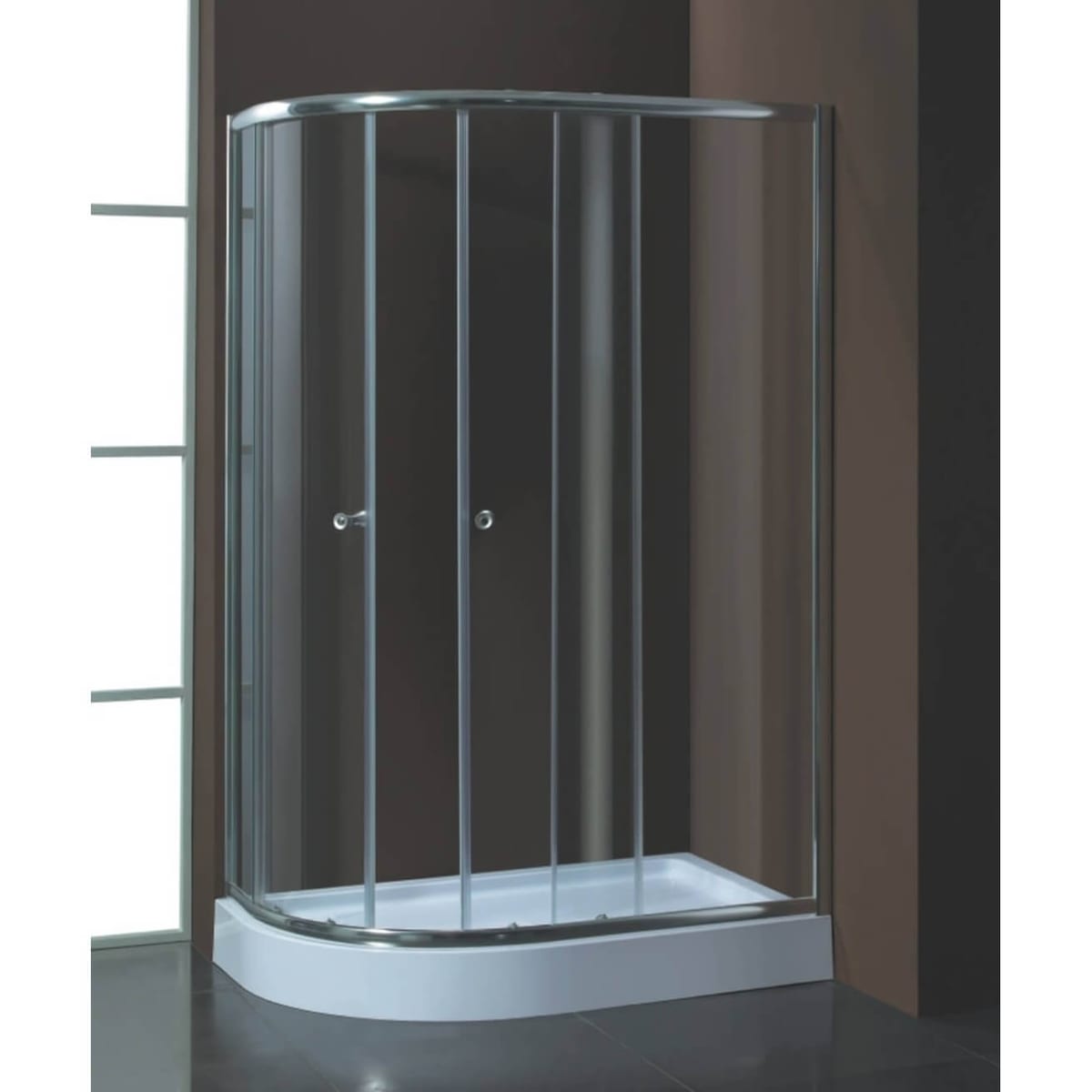
The wrong shower setup can easily make even a generous bathroom feel awkward and cramped. Whether you are remodeling a family home or updating a compact apartment, day-to-day comfort hinges on getting your layout and dimensions right from the start. These expert tips from Vipex will help you choose the ideal shower enclosure for your space.
Shower Enclosure vs. Shower Cabin: Which Is Right for You?
Choosing between an enclosure and a self-contained cabin depends on your bathroom's structural setup and your installation preferences.
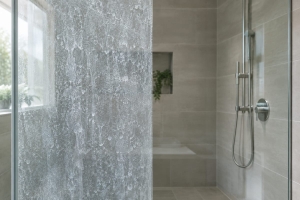
Classic shower enclosures fit directly into a corner, utilizing the room's existing tiled walls. Because the enclosure relies on your walls to contain water, high-quality bathroom waterproofing beneath the wall and floor tiles is essential. Enclosures deliver a light, minimalist look that blends effortlessly into modern spaces.
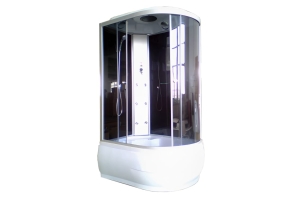
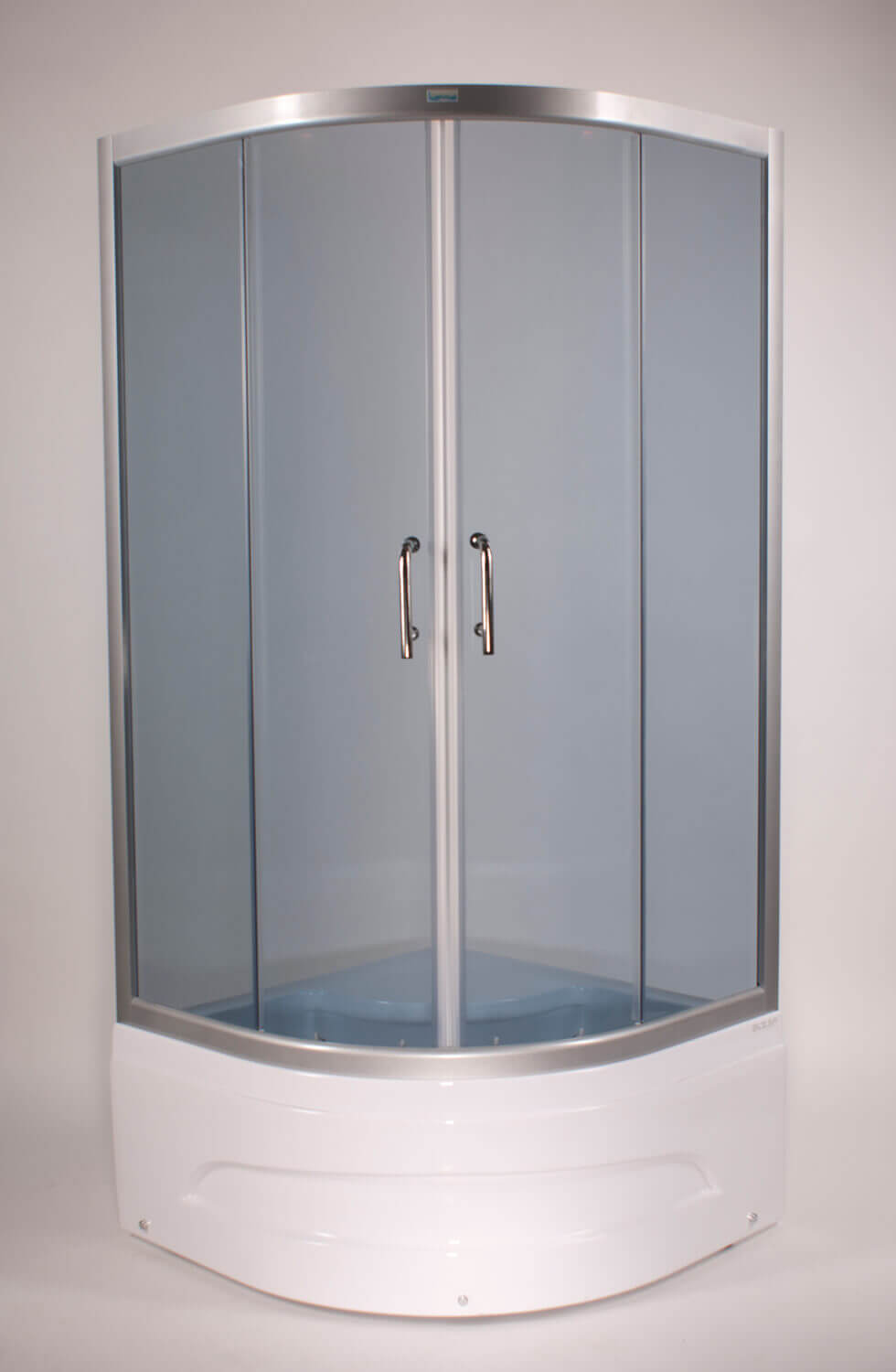
By contrast, fully self-contained shower cabins provide an all-in-one package with integrated rear walls, doors, and built-in fixtures. A low-profile unit like the Harma Cube works wonderfully in tighter quarters, while roofed models such as the Harma Luuna or the deep-tray Harma DK0P2 offer built-in luxuries like overhead rainfall heads and body jets. If you have room to spare, the rectangular Harma Urban provides generous interior space.
Enclosure Dimensions and Floor Plans
Before selecting a model, evaluate your bathroom’s total square footage and layout. A well-conceived bathroom design ensures comfortable clearance around other fixtures and allows you to move freely through the room.
In typical 3–4 m² bathrooms, an 80x80 cm enclosure is the go-to standard, striking a smart balance between compact exterior dimensions and daily usability. A curved quadrant model like the Harma DN033 is an enduring favorite that saves floor area in tight corners. For more space-saving advice, take a look at our guide on how to make a small bathroom look bigger.
For mid-sized bathrooms (5–7 m²), a 90x90 cm footprint is widely considered the sweet spot for comfort, offering ample elbow room. Versatile options include the curved Harma DN028 and the clean-lined, square Harma DN030. In larger rooms—or when replacing an old tub—rectangular enclosures like the 120x80 cm Harma DN040 deliver a spacious, spa-like showering experience.
Popular Sizes and Where to Use Them
To keep your bathroom functional, always plan for at least 70 cm of clear floor space in front of the enclosure for entering, exiting, and toweling off comfortably.
- 80x80 cm: Best suited for compact family bathrooms, en-suites, and guest baths.
- 90x90 cm: The standard comfort size for most average-sized bathrooms.
- 120x80 cm and larger: Rectangular formats that easily replace old bathtubs and provide an upscale, expansive feel.
- Curved / Quadrant models: An efficient corner solution that frees up valuable floor space while softening the room's visual lines.
Door Configurations and Clearances
The door mechanism you choose will significantly influence room circulation. Make sure to account for opening clearances when planning the placement of vanities, radiators, and toilets.
Sliding doors are the most space-efficient choice for small rooms, gliding smoothly along the frame without intruding on the surrounding floor. Hinged pivot doors create a wide, barrier-free entrance but require 75–85 cm of unobstructed swing clearance in front. Bi-fold and saloon-style doors offer a clever alternative by folding inward, preserving precious floor space outside the enclosure.
Choosing a Shower Tray: Low-Profile vs. Deep
You can install a shower enclosure directly onto a tiled wet-room floor or pair it with dedicated shower trays. Your choice depends on your design aesthetic and plumbing requirements. To explore standard sizing in depth, check out our guide to popular shower tray dimensions.
Low-profile trays sit almost flush with the floor, creating a seamless look that complements contemporary, minimalist interiors. If you are fitting a curved enclosure, matching bases include the Harma DNA09 (80x80 cm) and the Harma DNA10 (90x90 cm). For rectangular layouts, the right-handed Harma DNA41 is an exact match. If you want maximum durability and a premium stone finish, consider a cast marble tray like the Radaway Kyntos F.
Deep shower trays (15–45 cm) double as mini bathtubs—a practical advantage for bathing small children or washing pets. They also simplify installation when drain pipes sit above the subfloor level and cannot be recessed.
Measuring and Installation Tips
Accurate measurements are the foundation of a trouble-free installation. Because walls are rarely perfectly straight, always measure the width between walls at three separate heights:
- At floor or shower-tray level
- At chest height (the midpoint)
- At the top edge where the enclosure profile will end
If your walls are slightly out of plumb, select an enclosure with adjustable wall profiles, which can absorb 10–20 mm of variation without issues. For wet-room installations, ensure the floor has a 1–2% slope toward the drain, and confirm that your bathroom ventilation is sufficient to handle daily moisture. Investing time in sound bathroom building and renovation practices ensures your shower remains leak-free and durable for years to come.
A well-chosen shower enclosure turns your bathroom into an effortless, relaxing retreat. Browse our complete shower room collection or visit a Vipex showroom to find the perfect fit for your home.