


Selecting the Right Underfloor Heating for Your New Home

Choosing the right heating system is one of the most critical decisions when building a new home or commercial space. Beyond the initial installation, this choice dictates your monthly utility costs and daily comfort for decades. A well-engineered underfloor heating solution can reduce energy consumption by up to 30% compared to traditional methods, making it a cornerstone of modern, energy-efficient architecture.
Hydronic vs. Electric Systems: Which is Right for You?
When planning a new build, the first decision is choosing between hydronic (water-based) and electric underfloor heating. Radiant heating is generally 15–30% more efficient than traditional radiators because it distributes heat evenly across the entire floor surface, eliminating cold spots and minimizing the heat loss typically caused by air circulation.
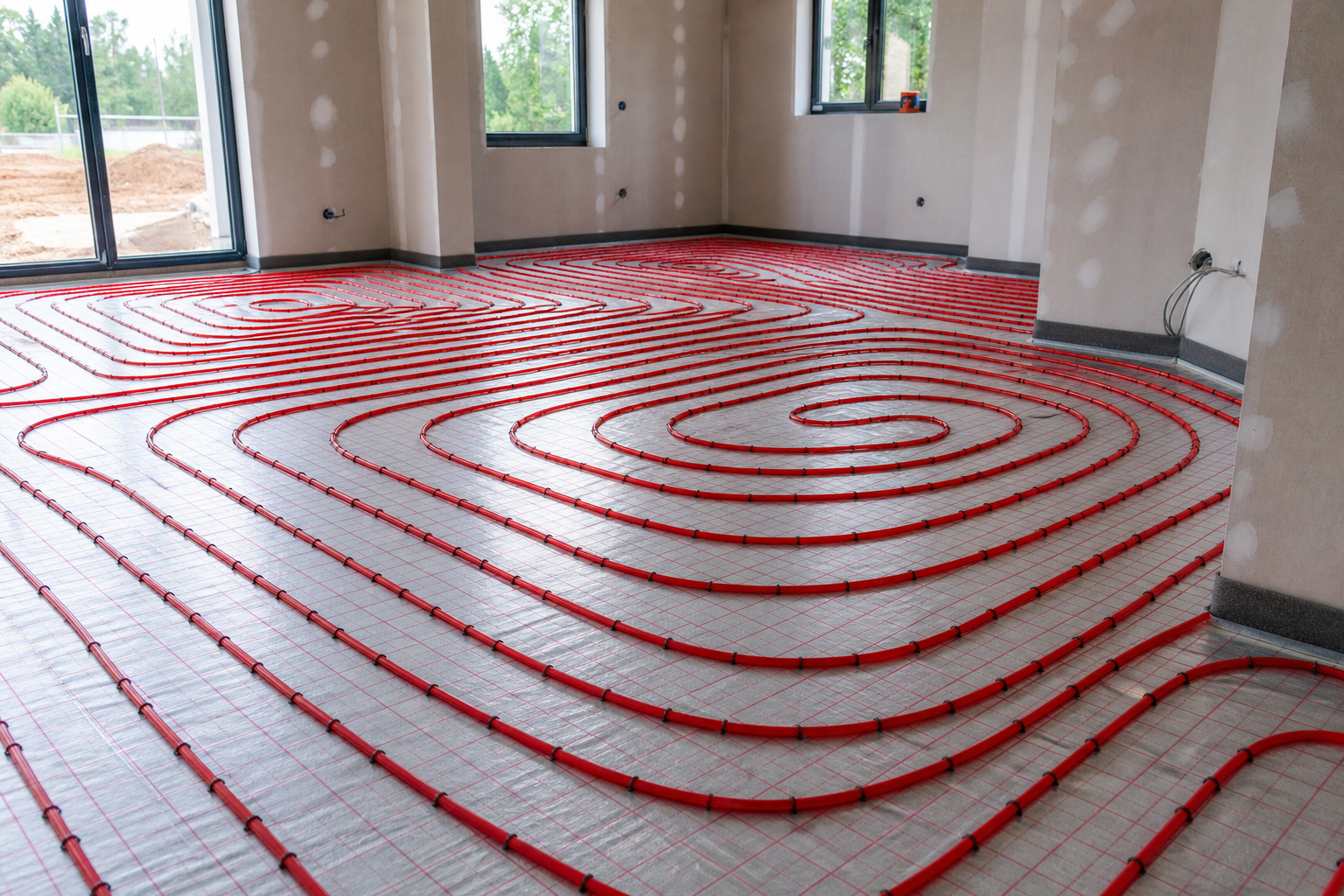
- Hydronic Underfloor Heating: Often considered the gold standard for whole-home heating. This system utilizes PEX piping embedded within the concrete floor slab. Because it can be integrated with various energy sources—such as air-to-water heat pumps or gas boilers—it offers the lowest long-term operating costs for large-scale residential projects.
- Electric Underfloor Heating: This system is best suited for smaller areas or secondary heating. Underfloor heating in the bathroom is frequently electric, as thin heating mats can be installed directly beneath the tiles without significantly raising the floor height.
Optimizing Efficiency with Smart Heat Sources
The ultimate efficiency of your heating system depends on how the energy is generated and stored. Modern heating equipment now integrates smart technology to maintain a consistent climate while lowering peak energy usage.
Smart Thermal Storage
For those opting for electric solutions, digital smart thermal storage heaters represent a significant technological leap. These units are designed to draw power during off-peak hours when electricity is cheapest, storing that energy to release steady heat throughout the day. This "energy arbitrage" strategy is an effective way to keep bills low without sacrificing comfort. Popular models include:
- The ECOMBI ECO30 PRO, which is powerful enough for large living areas.
- The ECOMBI ECO15 PRO, a compact high-efficiency option for smaller rooms.
Hybrid Water Heating
In many modern homes, heating systems are being integrated with domestic hot water production. Heat pump water heaters are a leading choice for sustainability. The Ariston Lydos Hybrid 100 uses hybrid technology to achieve 50% higher efficiency than standard electric boilers. For larger households with high hot water demand, the floor-standing Ariston HPC Stab 300 ensures a reliable supply even for homes with multiple bathrooms.
The Role of Flooring Materials in Heat Distribution
Your choice of flooring is more than just a design preference; it directly impacts the thermal mass and conductivity of your heating system. Different materials dictate how quickly a room warms up and how long it stays warm.
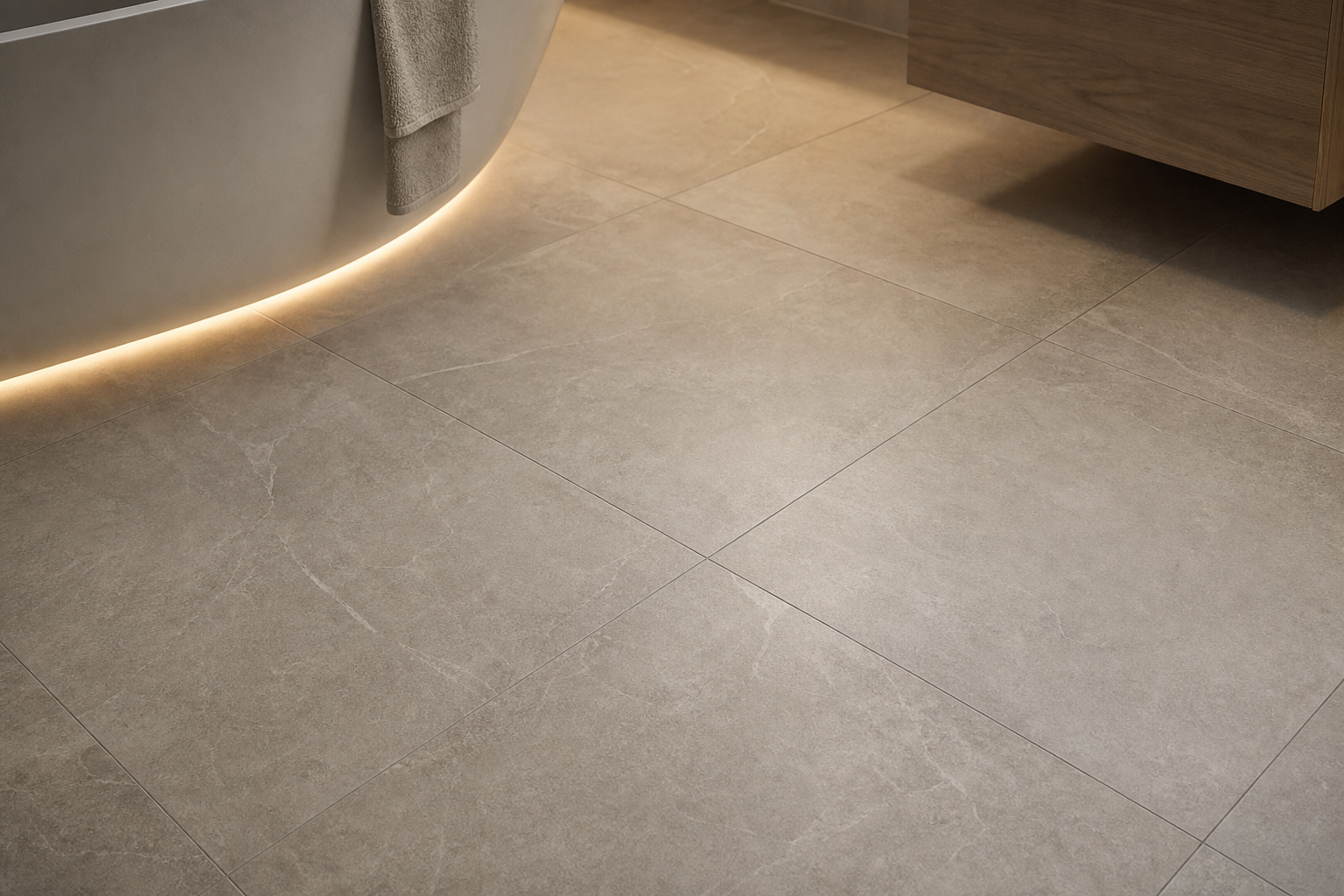
- Ceramic Tile and Natural Stone: These are the most effective conductors. They have high thermal mass, meaning they absorb and hold heat efficiently. You can browse high-performance options in our ceramic tiles selection.
- Vinyl and Laminate: These materials are compatible with underfloor heating, provided they are rated for it by the manufacturer. Generally, the surface temperature for these materials should be capped between 27–29°C to prevent damage.
- Wood Flooring: If you prefer wood, engineered timber is superior to solid wood for heated floors. Its layered structure is far more stable, reducing the risk of warping or gapping caused by temperature shifts.
Note: When installing tiles over a heated floor, always use flexible adhesives and grouts specifically formulated to handle thermal expansion.
Essential Installation Considerations
To ensure the longevity and performance of your system, several technical factors must be addressed during the construction phase.
- Insulation is Non-Negotiable: High-quality subfloor insulation is vital. Without a proper thermal barrier, a significant portion of your heat will be lost to the ground rather than rising into your living space.
- Wet vs. Dry Installation: In new construction, "wet" installation is standard—this involves encasing the heating elements in a concrete screed, which acts as a thermal battery. If weight or height is a concern, "dry" systems using specialized pre-grooved panels are an alternative.
- Zoned Smart Controls: Modern systems allow for room-by-room temperature management. Many smart thermal storage heaters can now be controlled via smartphone through integrated systems like G Control, allowing for precise scheduling.
Building a truly energy-efficient home requires a holistic approach to climate control. To avoid common pitfalls in the planning stage, we recommend reviewing our guide on 5 mistakes to avoid when choosing a water heater.
Ready to find the perfect heating solution for your project? Explore Vipex’s full range of heating equipment and contact our experts for a personalized consultation.