


5 Common Bathroom Renovation Mistakes and How to Save Thousands of Euros
Did you know that nearly 85% of homeowners encounter unexpected costs during a renovation? Upgrading a bathroom is a major investment where even a small planning oversight can quickly escalate into expensive mold remediation or a complete tear-out. Here is how to avoid these costly pitfalls and build a bathroom designed to stand the test of time.
Inadequate Ventilation and the Risk of Mold
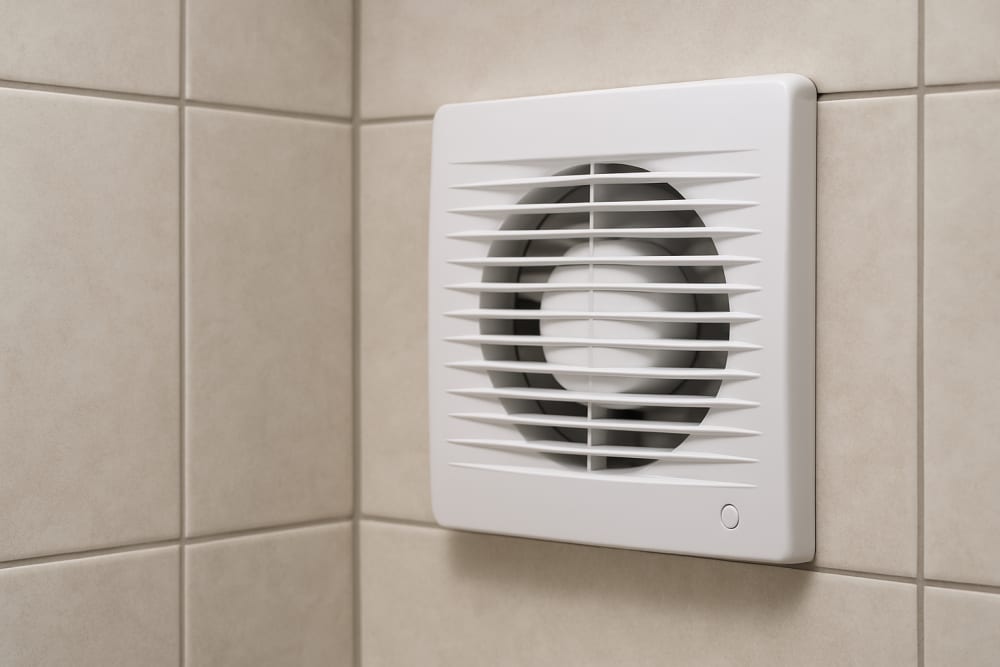
Moisture is a bathroom’s primary adversary, quietly deteriorating building assemblies and creating the perfect environment for hazardous mold. A frequent misstep is installing an exhaust fan that is underpowered or routed incorrectly. According to technical standards, an exhaust system must vent humid air directly outside, delivering an airflow rate of at least 50 CFM (around 85 m³/h) for intermittent use or 20 CFM for continuous operation.
Hot showers produce steam that condenses rapidly across cold tiles and ceilings. Once trapped, that moisture fosters dark mildew along grout lines and behind silicone joints. To keep humidity in check, install an exhaust fan equipped with a built-in humidistat programmed to run for at least 30 minutes post-shower. For a deeper dive into effective airflow planning, explore our guide to bathroom ventilation and read our practical advice on preventing and eliminating bathroom mold.
Material Choices: Prioritizing Looks Over Function
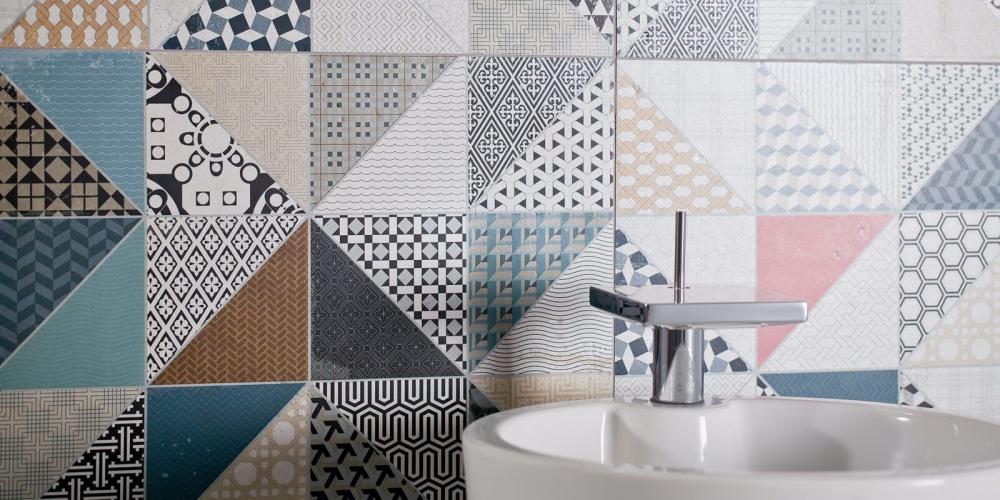
While it is easy to choose finishes based purely on visual appeal, a successful bathroom demands a balance between design and technical durability. One of the most widespread errors is specifying high-gloss, slick tiles for the floor. For dependable traction underfoot, wet-area floors should feature options from our ceramic tiles collection rated at least R10 or R11 for slip resistance.
Porosity and long-term maintenance also deserve careful consideration. Natural stone requires routine sealing to prevent staining, whereas premium ceramics offer lasting durability with virtually no upkeep. Along movement joints and transitions between wet zones, skip general-purpose caulk in favor of mold-resistant sanitary silicone. For expert tips on sourcing resilient surfaces, consult our overview on how to choose bathroom materials.
Hidden Leaks and Faulty Waterproofing
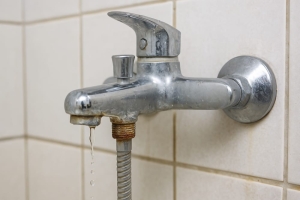
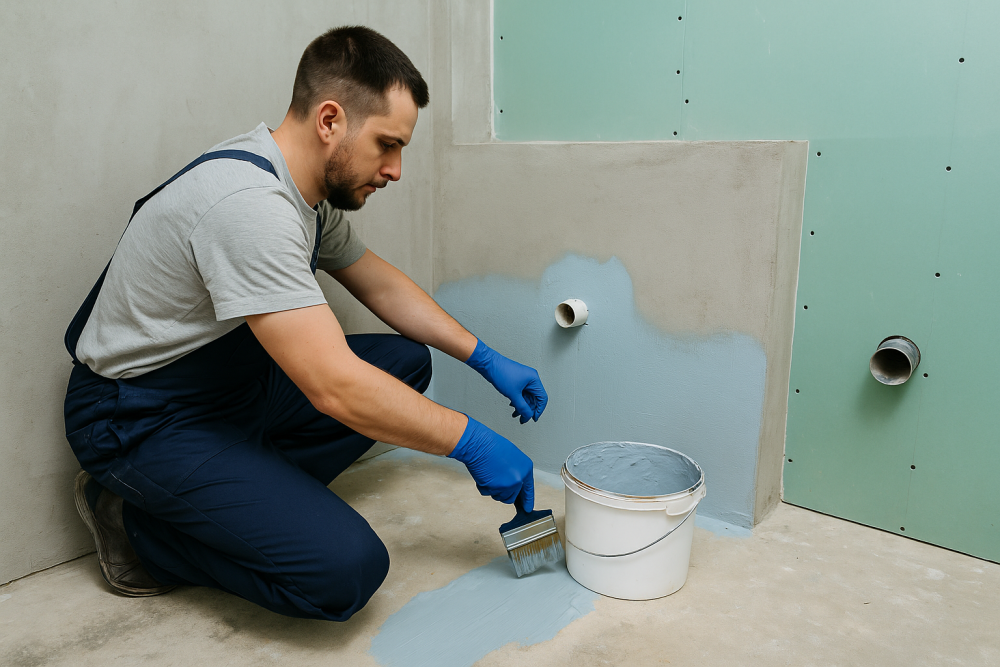
A bathroom functions as an interconnected system: a single breach in the moisture barrier can cause severe structural rot or water damage to adjacent rooms and neighboring properties. Standard drywall simply cannot handle moisture exposure; wet zones require dedicated cement backer boards sealed beneath a continuous, flexible waterproofing membrane.
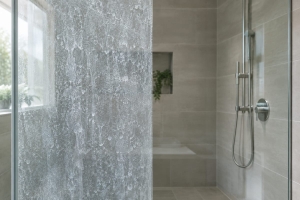
Inside shower enclosures, waterproofing should extend up walls to a minimum height of two meters, with reinforced sealing tape embedded at every inside corner and joint transition. Creating a consistent floor slope—typically 1% to 2% toward the drain—is equally vital to prevent standing water. For detailed technical guidelines, read our guides on sub-tile bathroom waterproofing and how to build a bathroom.
Cramped Layouts and Poor Ergonomics
Even high-end fixtures will feel disappointing if the layout feels congested or cabinet doors cannot swing open fully. Solid ergonomic design calls for at least 60 to 70 cm of clear floor space in front of vanities, toilets, and shower entries. Commercial and accessible spaces demand even wider pathways and turning radiuses.
Wall-hung bathroom furniture provides an elegant, space-saving storage solution. Capitalizing on vertical wall space with slim wall cabinets and integrated mirror cabinets keeps the floor clear, creating an illusion of space while making cleaning effortless. For smart spatial solutions, check out our design resources on small bathroom ideas and modern bathroom design.
Electrical safety is just as crucial: all bathroom lighting installed in damp zones must carry a minimum ingress protection rating of IP44, and every power outlet requires protection via a 30 mA residual current device (RCD). Learn more about safe electrical planning in our guides on how to choose bathroom lighting and bathroom electrical outlets.
Underestimating the Budget and Rushing the Process
Professional labor generally accounts for 25% to 60% of a comprehensive bathroom renovation budget, with surfaces, plumbing fixtures, and fittings covering the balance. In Estonia, professional tiling rates typically span €26 to €69 per square meter. Concealed complications—such as corroded pipework or moisture-damaged subfloors—frequently trigger cost overruns, making a 10% to 20% contingency fund essential.
Rushing trade schedules or ignoring proper drying and curing windows almost always results in cracked tile grout and delaminated finishes. Similarly, last-minute changes to rough-in plumbing locations will cause expenses to skyrocket. Keep your spending on track with our comprehensive guides to planning a bathroom renovation budget and professional bathroom tiling.
Careful upfront planning, strict compliance with building codes, and dependable materials will protect you from costly do-overs and ensure your new bathroom looks stunning and functions reliably for decades.
Browse our handpicked collections in the bathroom and shower section, or contact the team at Vipex for expert technical advice tailored to your project.