


Faucet Aerators: The Secret to Saving Water and Enhancing Performance
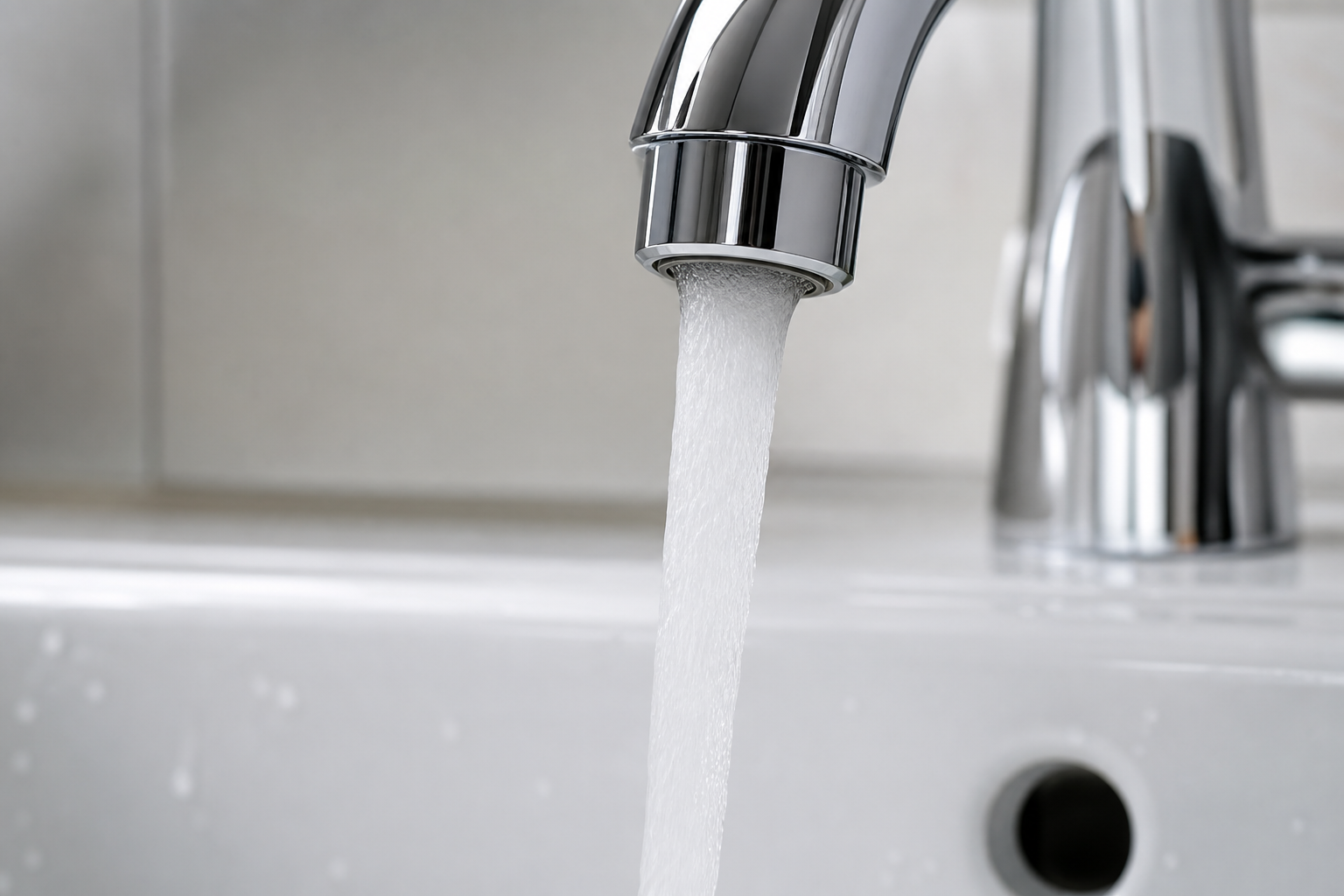
If your faucet has started splashing erratically or your water bills are climbing, the solution might be hidden right at the tip of your spout. A faucet aerator—a small, inexpensive component—is often the key to making your water usage more efficient, comfortable, and cost-effective without requiring a major plumbing overhaul.
What Is a Faucet Aerator and How Does It Work?
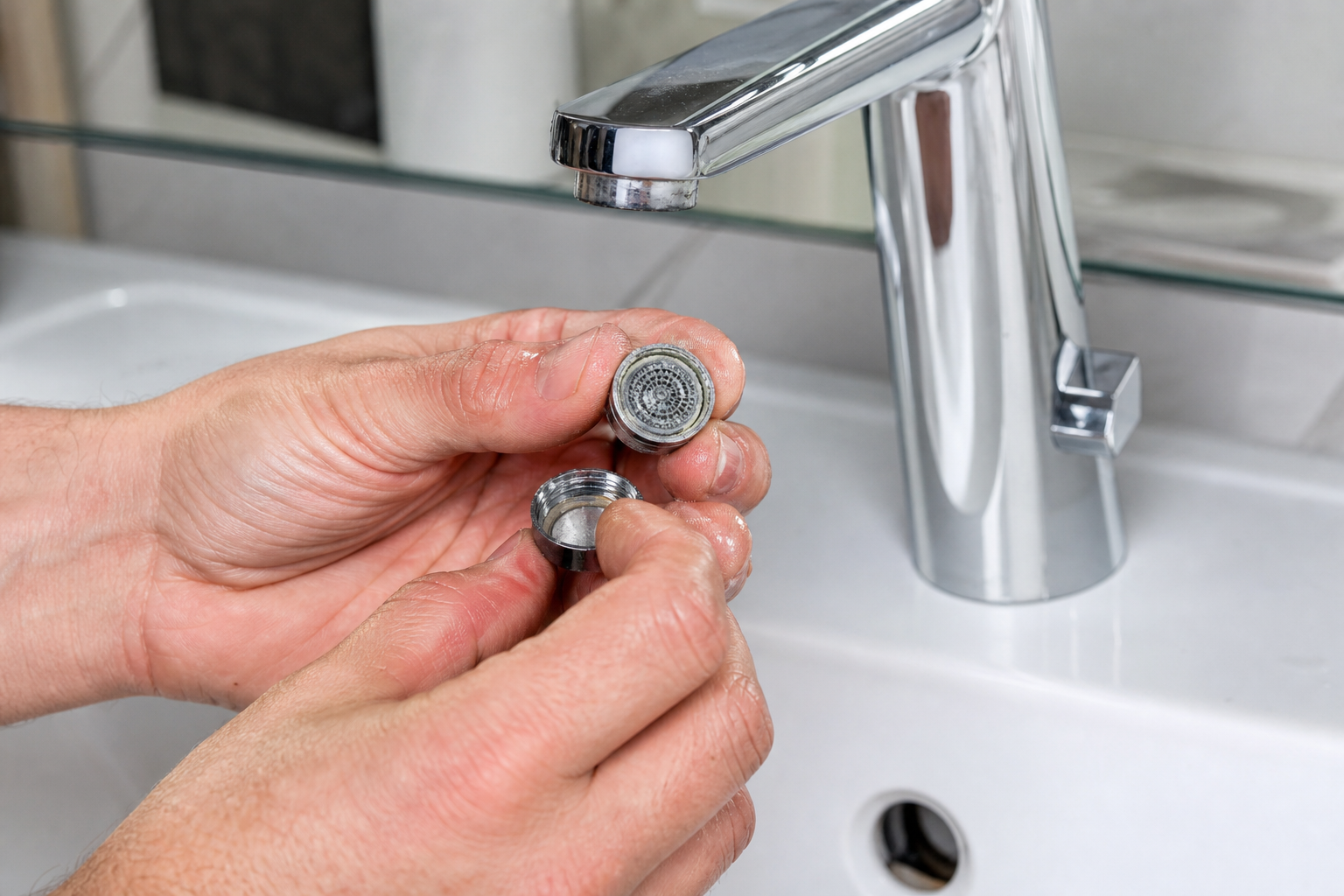
A faucet aerator, also frequently called a perlator, is a small mesh device threaded onto the end of a faucet spout. Its primary job is to manage the water flow by mixing it with air. As water passes through the aerator’s fine screens or precision-engineered chambers, it is divided into a stream of tiny droplets.
This process creates an "aerated" stream that feels more voluminous and maintains the sensation of high pressure, even though the actual volume of water being used is significantly lower.
Aerators are standard components on modern kitchen faucets and basin faucets. By producing a steady, controlled, and splash-free stream, they make everyday tasks—from rinsing dishes to washing hands—much more efficient.
The Key Benefits of Using a Faucet Aerator
Despite their small size, aerators provide substantial benefits for homeowners and commercial property managers looking to optimize utility costs:
- Substantial Water Savings: A standard faucet without an aerator can easily discharge over 8 liters of water per minute. In contrast, water-saving aerators can limit flow to 5–7 liters per minute or less. By installing an efficient aerator, the average household can reduce sink-related water consumption by 30% or more, saving thousands of liters annually.
- Reduced Energy Bills: When you use less water, you also use less energy to heat it. This is a critical factor for hotels and office buildings, where hot water production represents a significant portion of monthly overhead.
- Enhanced Comfort and Less Mess: Air-enriched water is "softer" to the touch and less likely to bounce off the bottom of the sink. This reduction in splashing means fewer water spots on mirrors and countertops, which ultimately cuts down on cleaning time.
- Basic Filtration and Noise Control: The internal screen acts as a final barrier, trapping sediment or debris from the plumbing lines. Additionally, the aeration process helps dampen the sound of rushing water, leading to a quieter, more premium user experience.
Choosing the Right Aerator for Your Needs
Selecting the correct aerator depends on your specific faucet model and local water conditions. For those living in areas with hard water, limescale buildup can quickly clog a standard aerator. To combat this, look for models featuring "Smart Lime Cleaning" (SLC) technology, such as the Neoperl CASCADE SLC. These units feature a flexible silicone surface that allows you to simply wipe away limescale with your finger.
Depending on your requirements, there are several specialized solutions available:
- Coin Slot Aerators: Designed for ultimate convenience, Neoperl Coin Slot aerators can be unscrewed and replaced using a simple coin, removing the need for wrenches or specialized tools.
- Designer Faucet Solutions: High-end or minimalist faucets often use non-standard sizes. For example, the M18 water-saving aerator is specifically designed for slim, modern spouts with narrower threads.
- Swivel and Hose Aerators: In the kitchen, aerators with integrated swivel joints or hoses provide the flexibility needed to reach every corner of the sink while still maintaining high-efficiency flow rates.
Replacing a worn or clogged aerator is one of the simplest and most effective ways to maintain your faucets. If you notice an uneven spray pattern or a sudden drop in pressure, a quick cleaning or a fresh replacement is usually all that is needed.
To optimize your home or business for water efficiency, browse the full range of professional-grade aerators and spare parts at the Vipex e-shop.