


A Guide to Choosing the Right Parquet Flooring for Your Home
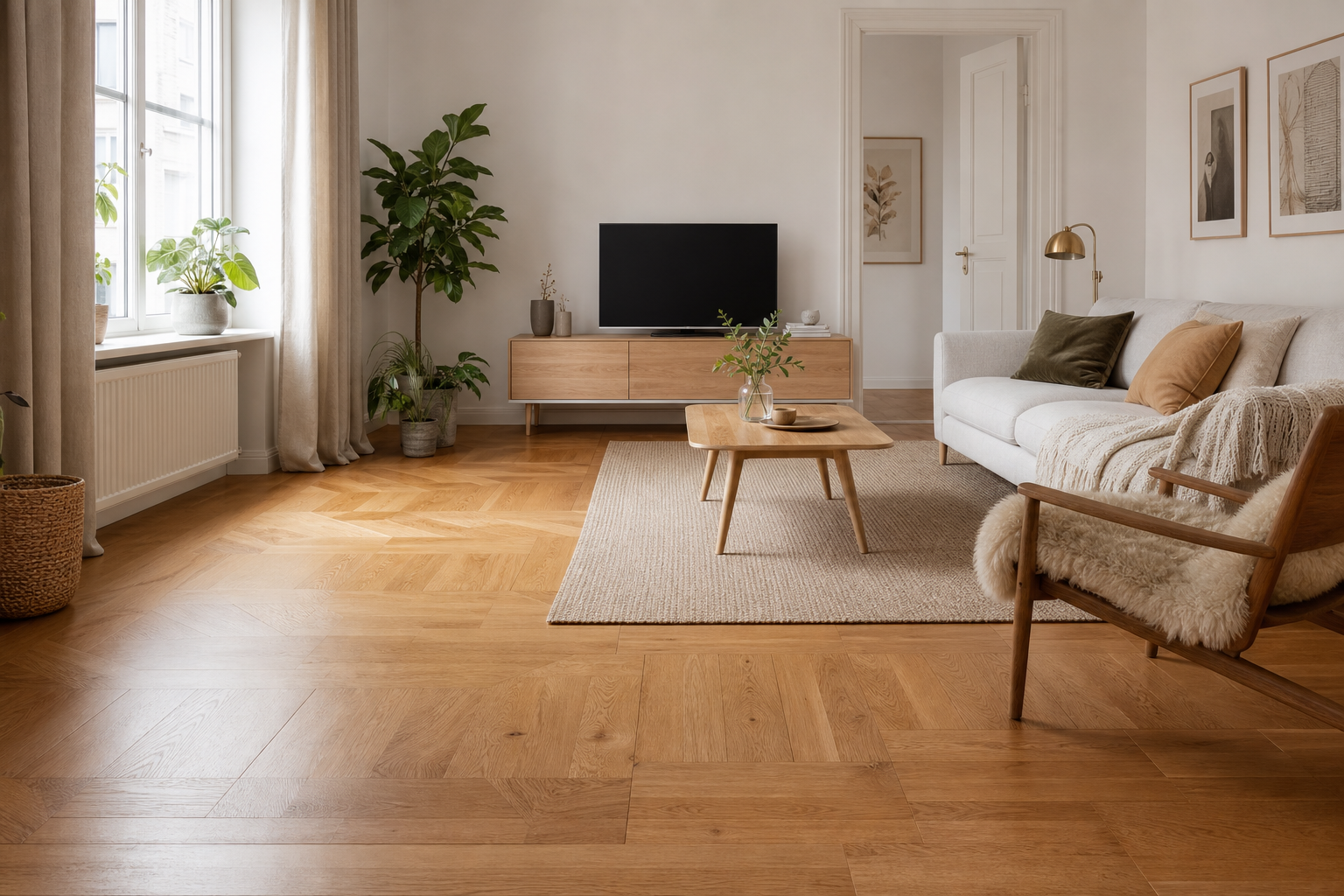
Choosing the wrong flooring can do more than just clash with your decor—it can compromise your home’s indoor air quality and long-term structural integrity. As the visual and structural foundation of any interior, your flooring must be able to withstand decades of foot traffic while remaining stable through fluctuating humidity levels.
Engineered Hardwood vs. Solid Wood: Which Is Best for Your Home?
The choice between solid wood and engineered hardwood typically depends on your home’s technical specifications and the type of subfloor you have. Solid wood flooring is milled from a single piece of timber, usually around 3/4 of an inch thick. While its thickness allows it to be sanded and refinished many times over its lifespan, solid wood is highly sensitive to changes in humidity and temperature. Because of this, it is generally not recommended for installation over concrete slabs or in basements where moisture levels tend to be higher.
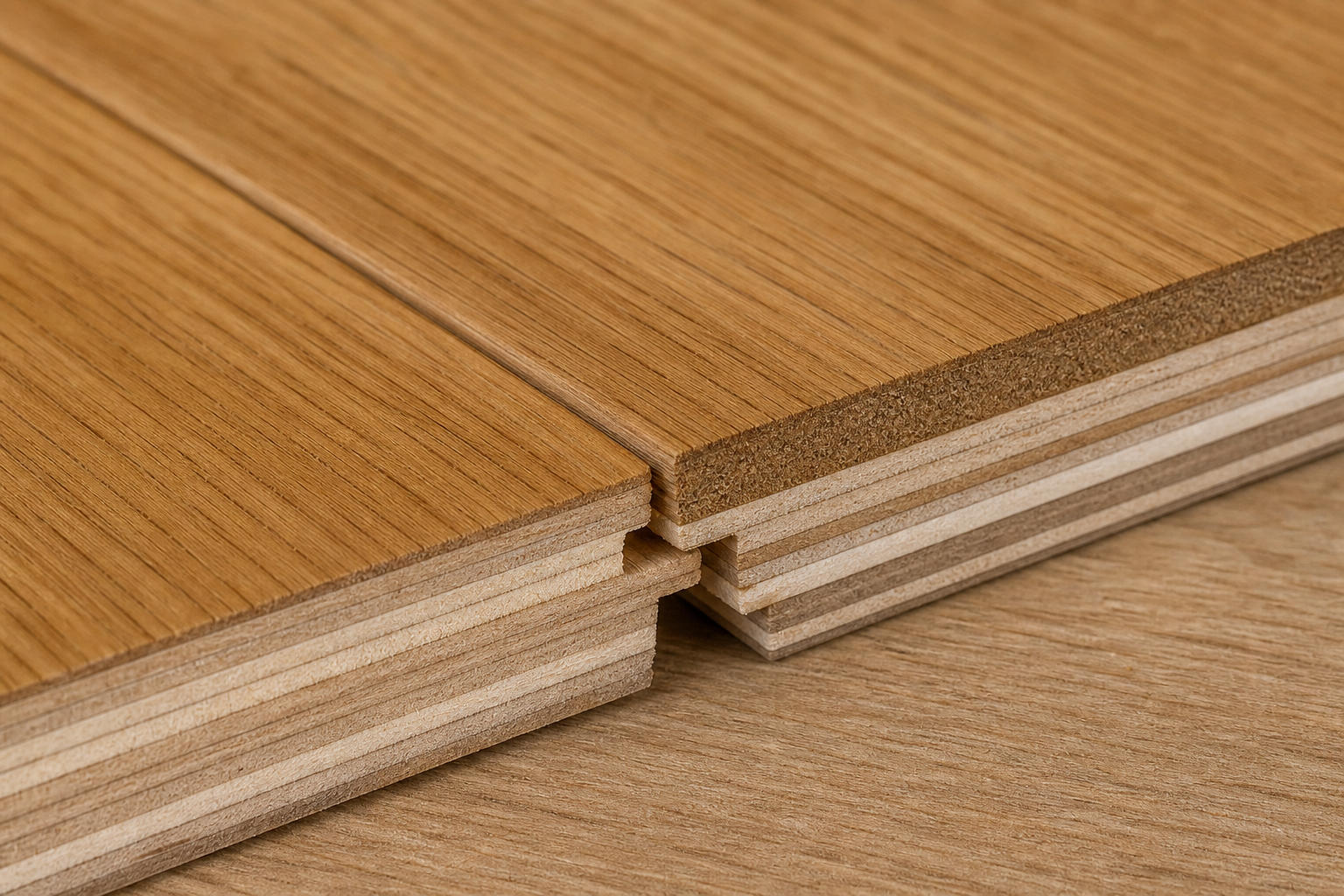
Engineered hardwood, such as the high-tech, locally produced Esta Parket, consists of several cross-laminated layers topped with a genuine hardwood wear layer. This cross-layered construction provides exceptional dimensional stability, significantly reducing the wood's natural tendency to expand, contract, or "cup" during seasonal shifts. This durability makes engineered parquet an ideal choice for Northern climates and ensures it performs exceptionally well with underfloor heating systems and concrete subfloors.
Wood Species and the Janka Hardness Scale
The resistance of wood to mechanical damage—such as scratches from pets or dents from dropped objects—is measured by the Janka hardness scale. The higher the rating, the more durable the surface:
- Hickory: 1820 lbf – One of the hardest and most resilient options available, built for very heavy traffic.
- Sugar Maple: 1450 lbf – A hard-wearing, light-colored wood often preferred for clean, modern interiors.
- White Oak: 1360 lbf – The gold standard of flooring; significantly harder and more durable than the popular Red Oak (1290 lbf).
- Black Walnut: 1010 lbf – Visually stunning with deep, luxurious tones, but noticeably softer than oak or maple.
When planning a renovation, consider your lifestyle. Softer species require more careful maintenance, especially in households with children or pets where floor wear is more intensive.
Selecting a Finish: Lacquer or Oil?
The finish doesn’t just dictate the sheen of the wood; it determines how much effort you’ll need to put into maintenance over the years.
- Lacquer (Urethane Finish): This creates a hard, protective film over the wood's surface that is highly wear-resistant and easy to clean. Quality factory-finished boards, like those from Esta Parket, often use UV-cured lacquers for maximum durability. The main trade-off is that spot repairs are difficult; if the finish is scratched through, the entire floor usually needs to be sanded and refinished.
- Oil: Oil penetrates deep into the wood fibers, resulting in a matte finish that feels natural and warm to the touch. While oiled floors are softer and require periodic "refreshing" with maintenance oil to remain moisture-resistant, they offer one major advantage: repairability. Scratches and worn areas can be fixed locally without having to empty the room or refinish the entire floor.
Maintenance and the Ideal Indoor Climate
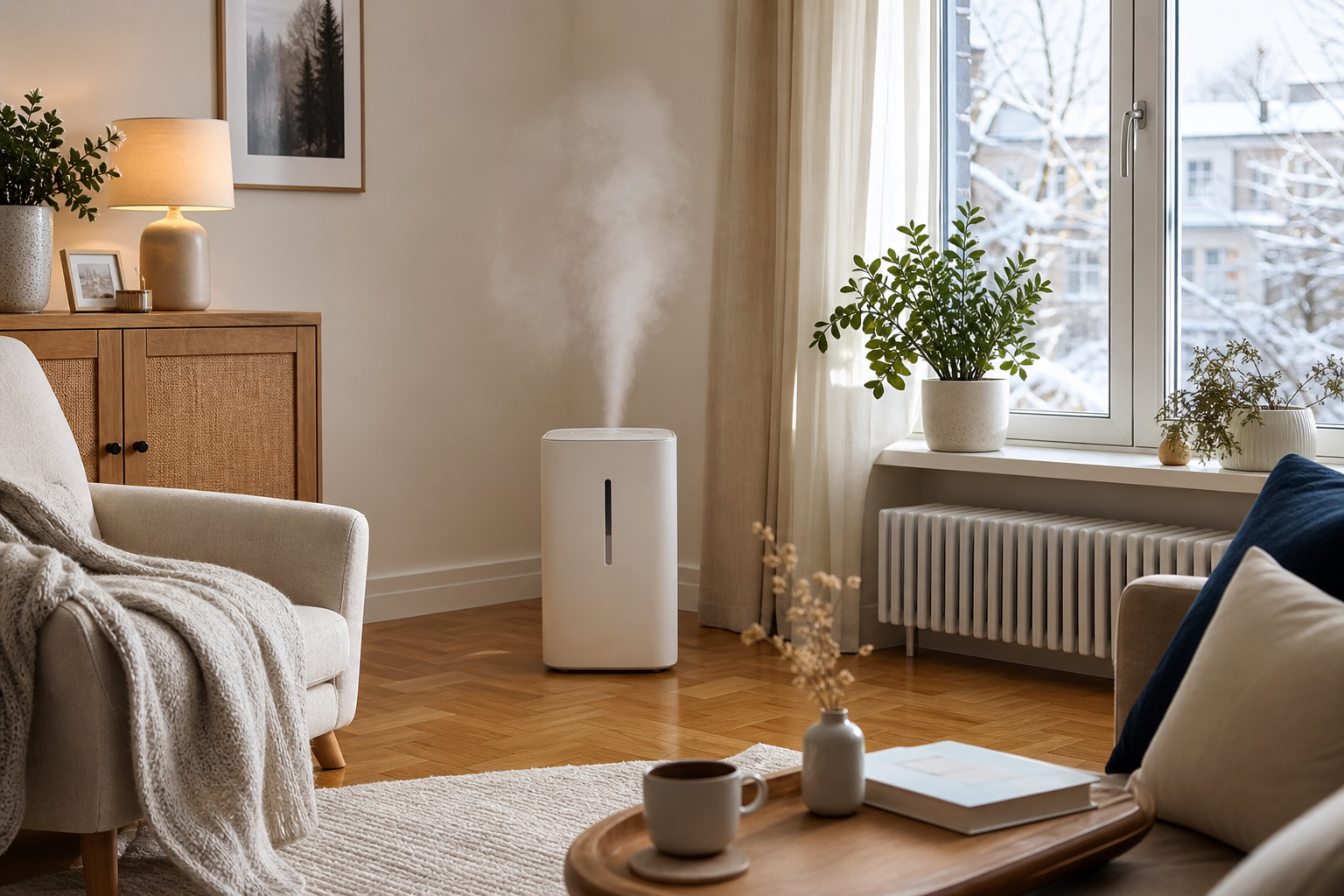
Wood is a living material that reacts to its environment. To prevent your parquet from cracking or swelling, you should maintain a relative humidity level between 35% and 55% year-round. During the winter heating season, when indoor air becomes dry, using a humidifier is highly recommended to keep the wood healthy.
For day-to-day cleaning, a vacuum or a dry microfiber cloth is best. Avoid wet mops and steam cleaners, as excess moisture can seep into joints and damage the wood's structure. If you need a solution for hallways or bathrooms where water resistance is a priority, ceramic tiles with a wood-effect texture offer a completely moisture-proof alternative.
Budget and Long-Term Value
The cost of your flooring is influenced by both the material and the installation method. Engineered hardwood is generally more DIY-friendly thanks to modern "click" systems, which allow for a floating installation without the need for glue or nails. This is often a faster and more cost-effective solution than gluing solid wood to a subfloor. While the initial investment in high-quality wood flooring may be higher than laminate or vinyl, natural materials significantly boost property value and, with proper care, can last for generations.
If you are looking for design inspiration, explore the flooring trends for 2025 to see the latest in warm tones and tactile textures.
Choosing the right parquet is a balance of aesthetics, practicality, and your home’s technical needs. You can explore a wide range of options in our online shop or visit the Vipex showroom to experience the materials in person and find the perfect match for your home.